
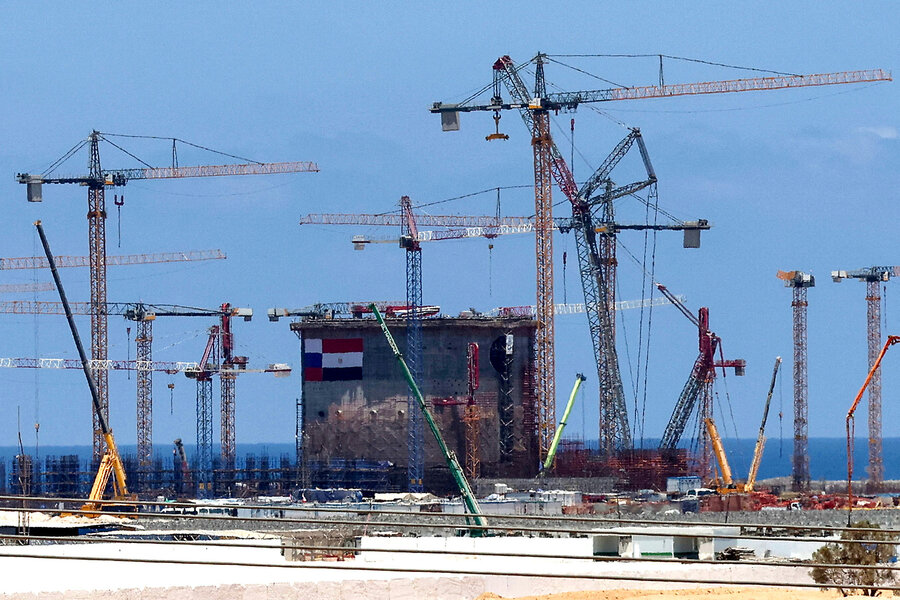
When Turkey and Egypt embarked on constructing nuclear power plants using Russian technology over the past ten years, the United States urged both nations to promise that they would never enrich uranium for nuclear weapons. Both countries declined this request. Following the recent U.S.-Saudi nuclear agreement, which potentially facilitates Saudi Arabia’s pursuit of weapons-grade uranium enrichment, Turkey and Egypt may have found themselves vindicated in their decision to rebuff U.S. demands.
The Implications of the U.S.-Saudi Nuclear Deal
In the aftermath of the U.S.-Saudi nuclear pact announced on July 22, concern is mounting across the Middle East regarding a possible nuclear arms race. Other nations in the region, anxious about being outpaced in nuclear capabilities, are now questioning their own nuclear ambitions. Experts indicate that the rise in nuclear power initiatives in the Middle East signals a significant shift in how countries perceive nuclear technology. As energy demands escalate and concerns about climate change intensify, more governments are contemplating nuclear energy as a viable source.
However, the pressing issue is the evolving rationale behind the pursuit of nuclear weapons amid rising geopolitical tensions. The instability, coupled with crumbling traditional security alliances and a perceived withdrawal of American influence, is pushing many nations to reconsider their nuclear strategies. As Kelsey Davenport from the Arms Control Association notes, even if countries are not immediately abandoning their international commitments, they are likely assessing the need to adjust their security postures in response to emerging threats.
Global Repercussions of Increased Nuclear Interest
Regions like the Middle East, northeastern Asia, and Europe are reflecting on the declining reliability of U.S. security assurances, prompting countries to explore alternative nuclear options. This could result in more nations pursuing nuclear capabilities, which poses a significant risk for international nonproliferation efforts. Experts warn that the rise of nuclear-armed states could drastically alter the global security landscape. The once-dominant fear of nuclear proliferation is lessening, as evidenced by the renewed interest in both nuclear energy and potential weaponization.
Drawing from historical predictions, President John F. Kennedy anticipated numerous nuclear states would emerge by the early 1970s; he was ultimately mistaken, as only nine nations are currently recognized as nuclear powers. This absence of widespread nuclear weaponry occurred in part due to major nuclear accidents like the Fukushima incident in Japan, which dampened enthusiasm for nuclear power. Nevertheless, recent geopolitical tensions, including Russia’s war in Ukraine and conflicts involving Iran, have reignited interest in nuclear technology as both an energy solution and a strategic safeguard.
Looking Ahead: Future Considerations for Nuclear Proliferation
In light of the U.S.-Saudi nuclear agreement, experts express concern about the potential encouragement it may provide to states pursuing nuclear capabilities. As Davenport mentions, this new alignment prompts countries to reassess their positions regarding nuclear armament amidst growing security uncertainties. The proposed arrangement could facilitate Saudi Arabia’s nuclear development, potentially leading to further breaches of international norms.
Nevertheless, the deal is not without its critics, who stress the need for clear communication about its limits and constraints to prevent a misinterpretation that might spur a scramble for nuclear capabilities in the region. The U.S. administration must play a pivotal role in assuring neighboring countries that the agreement does not pave the way for a region-wide nuclear arms race.
As nations continue to navigate the complexities of nuclear power and weaponization, maintaining diplomatic avenues and fostering trust will be crucial in averting a destabilizing arms race. The landscape is precarious, and as more countries consider their nuclear futures, international cooperation will be essential to mitigate the risks of proliferation and uphold global security. The consequences of complacency could be dire, marking an unpredictable chapter in the narrative of nuclear energy and military capability.