
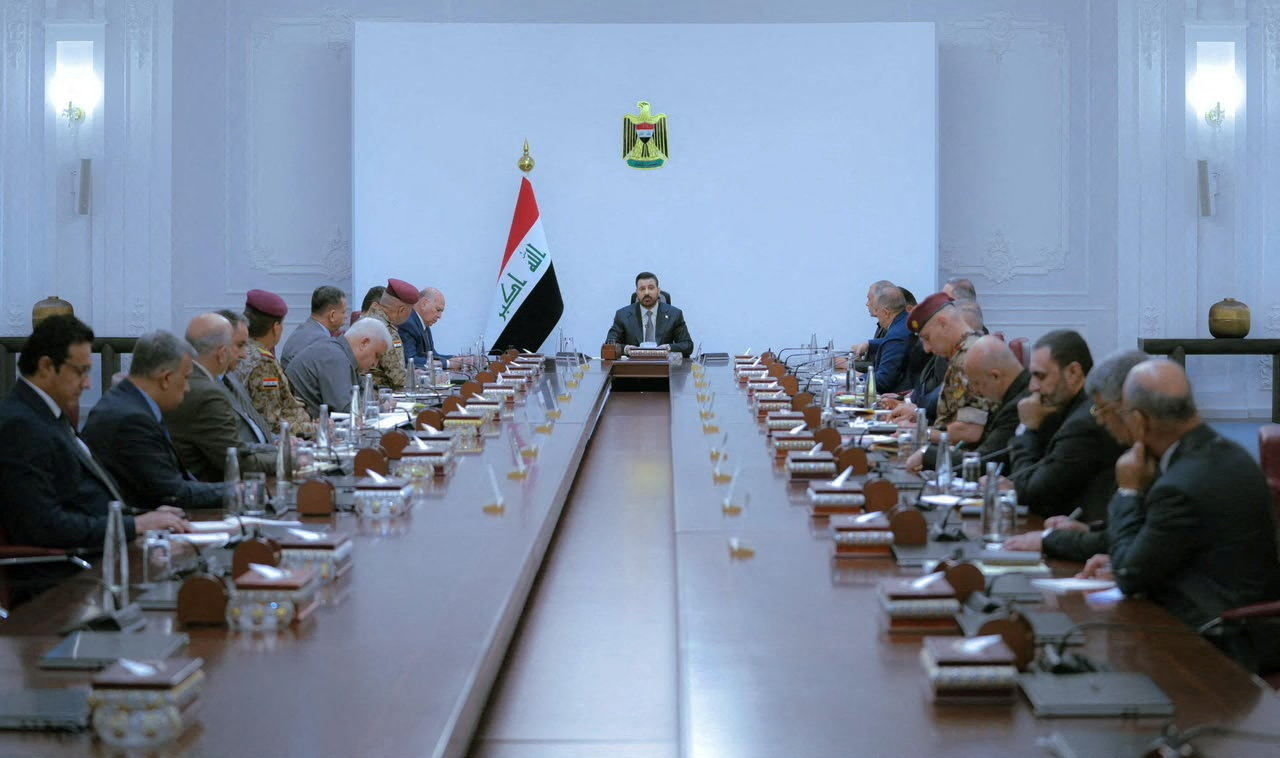
Iraq’s political landscape is undergoing significant transformations due to influences from neighboring countries, with recent events greatly affecting its governance and social structure. As regional tensions evolve, notably following the assassination of Iranian Supreme Leader Ali Khamenei, the effects on Iraq’s governance and sectarian dynamics are emerging as crucial elements shaping its future.
Shifting Power Dynamics in Iran and Their Effects on Iraq
The transition in Iran, from a theocratic regime to what some are calling a “juntocracy,” has major implications for Iraq. This shift comes after the transfer of power from Khamenei to his son Mojtaba. The Islamic Revolutionary Guard Corps now holds significant authority, and this military leadership has overridden traditional clerical influence. As a result, Iran’s grip on Shia networks in Iraq has been bolstered. The military underscores the message that any threat to Iran is a threat to Shia governance across the region, compelling many Iraqi factions to assert their loyalty—whether or not they genuinely support Iran’s theocratic ideals.
This militarized rhetoric has invigorated the armed factions in Iraq. For instance, the number of militias refusing to disarm has doubled amidst escalating threats from the United States. Following plans for potential strikes on Iranian soil, groups like Harakat al-Nujaba have issued stark warnings against Iraqi forces attempting to penetrate their territories. The United States and allied nations have reacted with military strikes on these factions, triggering vows of retaliation against neighboring countries like Saudi Arabia.
The State of Sectarian Rule in Iraq
Iraq’s political framework has unfortunately become a terrain of sectarian dominance rather than a space for cohesive governance. Though the 2005 constitution promotes a parliamentary system, the reality reflects deep-rooted sectarian divisions that influence every level of government. The institutions that were meant to represent the citizenry have become extensions of sectarian allegiances, further entrenching a cycle where Shia and Sunni parties operate in silos rather than as unified entities.
The political landscape is polarized, primarily between Shia and Sunni factions. The Coordination Framework represents Shia interests, while a similar body exists for Sunni representation. This chasm was starkly highlighted during the 2021 elections when the Sadrists attempted to establish a cross-sectarian coalition. However, their efforts were thwarted by the Iran-backed Coordination Framework, which used both political leverage and intimidation to assert its control.
Challenges for Prime Minister Ali Al-Zaidi
In light of these dynamics, the role of Iraq’s new Prime Minister, Ali Al-Zaidi, is fraught with challenges. The United States has positioned itself as a supporter of Al-Zaidi, hoping he can wrest control from sectarian factions, particularly in disbanding armed militias. However, Al-Zaidi’s efforts are complicated by the cartels of power established by the Coordination Framework, which remains resistant to any changes that threaten its authority.
Al-Zaidi has hinted at the need for a strong response to armed factions, but such a move could spark infighting among the Shia. The Prime Minister faces a precarious balancing act. If he pushes too hard against the organized militias without broad support, he risks losing not only his political backing but also endangering his own position—a cycle that has historically plagued Iraqi leadership.
The path ahead for Al-Zaidi and Iraq as a whole hinges on disruptive internal reforms that lessen sectarian influence in governance. Otherwise, Al-Zaidi risks repeating the cycle of leaders who’ve had grand ambitions but became mere players within a preordained sectarian script, surrendering Iraq’s sovereignty to entrenched sectarian interests. Only by asserting the state’s authority over these factions can Al-Zaidi hope to redefine what governance in Iraq looks like in the future—building a state that serves its citizens rather than sectarian divides.