
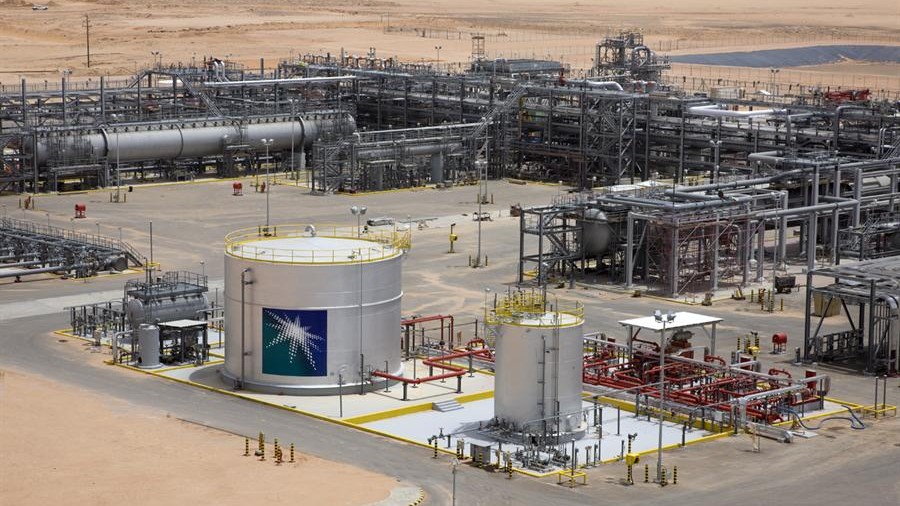
In light of recent geopolitical tensions, Saudi Arabia is facing significant challenges regarding its oil export routes. Following Iran’s closure of the Strait of Hormuz, which is a crucial passage for global oil supplies, Saudi Arabia has had to adapt quickly. With increasing danger along existing routes, the country is struggling to find a secure method to transport its oil.
Saudi Arabia’s Oil Rerouting Strategy
After Iran’s actions disrupted vessel traffic in March, Saudi Arabia redirected its oil exports from the Persian Gulf to the Red Sea via the Petroline, which connects to the Yanbu port. This strategic shift allowed the kingdom to dramatically increase its output from Yanbu, reportedly reaching 2.47 million barrels per day—an impressive 330% rise compared to previous figures. However, by the following months, this flow began to wane. As of June, the loadings from Yanbu had dropped significantly to around 2.39 million barrels daily, reflecting a 41% decline from March’s peak. This trend raised concerns regarding future oil exports as global markets scrambled for alternatives.
Impact of Geopolitical Tensions
The fluctuations in Saudi oil exports correlate directly with the chaotic geopolitical climate in the region. Though there was brief respite in late June due to a temporary agreement between the U.S. and Iran, hostilities quickly resumed, causing further uncertainty for maritime traffic in the Strait of Hormuz. Data indicates that on July 29 only a fraction of pre-war vessels managed to traverse the strait, further complicating Saudi Arabia’s ability to maintain stable export levels. As reports confirmed tankers operating in “dark mode” to avoid detection, the pressure was ramping up for alternative routes.
The Suez Canal and SUMED Pipeline: Limitations Ahead
Saudi Arabia now relies heavily on the Suez Canal and the SUMED pipeline as its remaining avenues for transporting oil from the Middle East. The SUMED pipeline, with a capacity of 2.5 million barrels per day, simply cannot accommodate the entirety of displaced oil from previous routes. While reports suggest that up to half of the oil exports could potentially be rerouted through this route, the limitations make it challenging for Saudi Arabia to sustain its output. The Suez Canal also poses restrictions, only able to manage about 1 million barrels daily, leading to forecasts of decreased oil flows in the near future without substantial geopolitical changes.
Future Outlook for Saudi Oil Exports
Despite the dire circumstances, some analysts indicate a potential recovery in oil export volumes through the Strait of Hormuz, albeit modestly. This uptick could offer some short-term relief; however, it remains insufficient for meeting global demand, placing additional pressure on other oil-producing nations to step in. Although the revenue for Saudi Arabia remains robust due to rising Brent crude prices, amounting to a 47% increase since the year’s onset, the country faces long-term challenges related to its geographical vulnerabilities that could hinder its export capabilities moving forward.
In summary, while Saudi Arabia has shown resilience in adapting its oil routes amid ongoing geopolitical strife, the situation remains precarious. Continued regional instability and logistical limitations mean the kingdom’s oil exports are set for a turbulent future, demanding innovative solutions and international cooperation.