
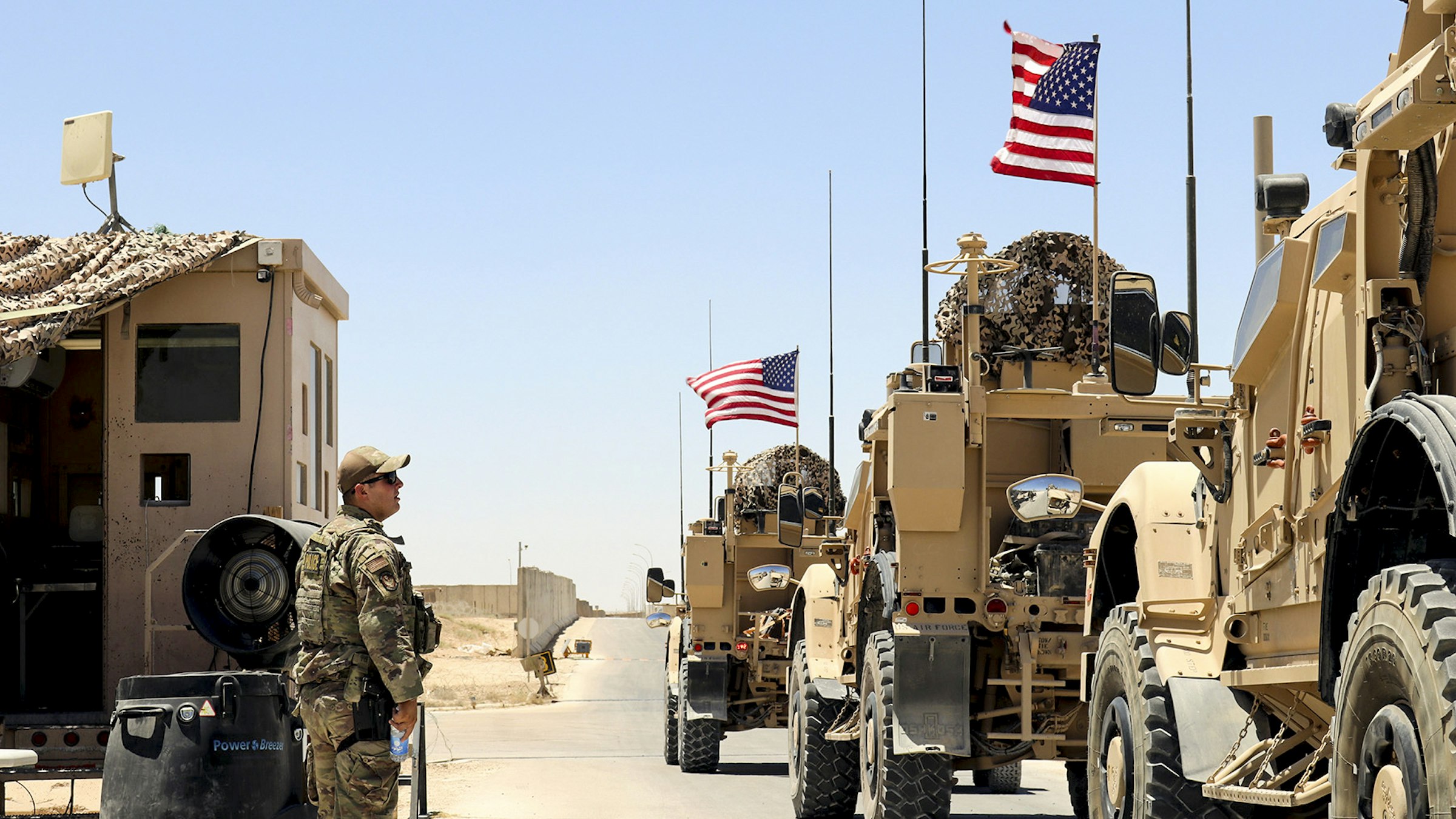
As the deadline for troop withdrawal approaches, the United States has initiated the process of dismantling its air defense systems in Iraqi Kurdistan. This strategic move, particularly the reported removal of Patriot missile batteries stationed near Erbil International Airport, has significant implications for regional security, especially in the context of recent Iranian missile threats.
The Impact of U.S. Air Defense Withdrawal
The withdrawal of U.S. air defense systems marks a pivotal moment in the ongoing geopolitical tensions in the region. Particularly, the removal of the Patriot missile batteries has raised concerns about the ability to counter Iranian missile strikes. These systems played a crucial role in intercepting and neutralizing attacks from Iranian-aligned groups, which have escalated in frequency and intensity in recent months. As the U.S. prepares to exit, local forces may find themselves more vulnerable to missile threats, thereby altering the security landscape in Iraqi Kurdistan.
Moreover, this drawdown could embolden Iran-backed militias that have long sought to expand their influence in the area. The recent pressure from Baghdad for these groups to disarm has added another layer of complexity to the situation. If the militias perceive the U.S. withdrawal as a weakening of their adversaries, it could lead to increased aggression and further destabilization in the region.
Local Response to Military Changes
The local response to the U.S. military’s impending withdrawal has been mixed. While some factions celebrate the exit as a sign of growing autonomy, others express deep concern over the capabilities of local forces to manage security threats independently. The Kurdistan Regional Government (KRG) faces a tough challenge in maintaining stability without the protective umbrella provided by American air defense systems.
It’s crucial to note that the current political and military landscape is fragile. While Iraqi forces have made strides in countering various militant groups, the prospect of additional Iranian missile threats complicates matters significantly. The absence of U.S. support might foster an environment where local militias feel increasingly emboldened.
Geopolitical Consequences
The repercussions of the U.S. withdrawal extend beyond Iraq. Iran’s assertiveness in the region might gain momentum, potentially affecting neighboring countries and the broader Middle East. An unchecked Iran could pursue a more aggressive foreign policy, which may pose a challenge to U.S. and allied interests in the vicinity. Furthermore, the potential rise of instability in Iraqi Kurdistan may have spillover effects on regional geopolitical dynamics, impacting alliances and counterterrorism efforts.
As events unfold, the situation remains fluid. Keeping an eye on how local actors respond to the military vacuum created by the U.S. withdrawal will be vital in understanding future developments. Whether the removal of U.S. forces leads to increased regional stability or heightened tensions will depend on various factors, including local governance, the actions of Iranian-aligned groups, and U.S. foreign policy choices moving forward.
In conclusion, the gradual dismantling of U.S. air defense systems in Iraqi Kurdistan signifies a crucial juncture in the region’s security framework. The implications of this decision will be felt not only locally but also regionally, affecting the balance of power in the Middle East. As the situation develops, vigilance and strategic planning will be key in mitigating risks associated with this significant military withdrawal.