
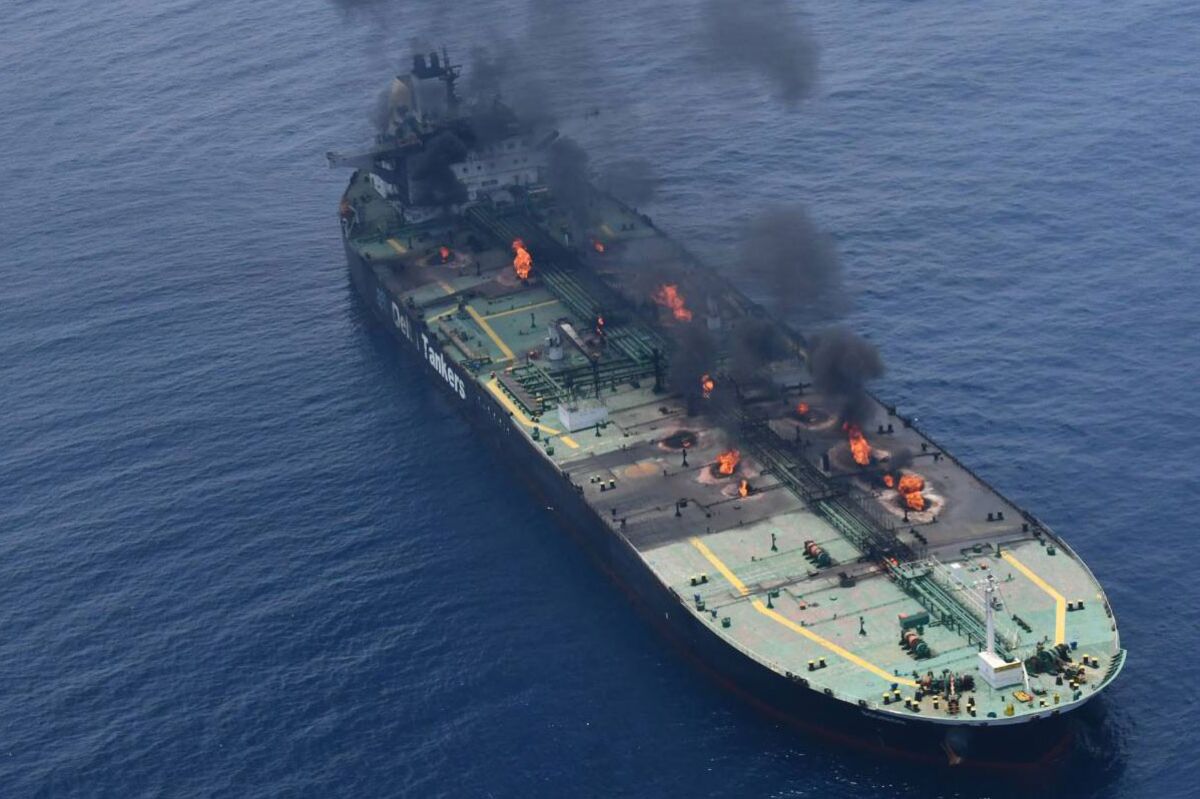
The maritime landscape of the Middle East faces significant challenges, particularly as various naval chokepoints come under threat. One notable hot spot is the Red Sea, where shipping routes are increasingly compromised by the activities of the Houthis, a Yemeni group backed by Iran. In response to these disruptions, Saudi Arabia is taking proactive measures to safeguard its commercial interests by assembling a naval coalition aimed at restoring stability in this critical region.
The Strategic Importance of the Red Sea
The Red Sea serves as a crucial artery for international maritime trade, linking Europe, Asia, and Africa. It is a vital route for oil shipments and other goods, making it essential for global commerce. Any disruption in this waterway can have far-reaching consequences, not only for the countries directly involved but also for the global economy. The Houthis, leveraging their position in Yemen, have targeted vessels transiting this sea, creating a precarious situation that necessitates a robust response from affected nations.
The Role of Saudi Arabia
As one of the primary nations threatened by Houthi attacks, Saudi Arabia is particularly vulnerable. The kingdom has vital trade routes that pass through the Red Sea, presenting an obvious incentive to take action. By forming a naval coalition, Saudi Arabia seeks to protect its maritime interests and enhance regional security. This initiative aims not only to safeguard commerce but also to deter further Houthi aggression and restore certainty to one of the world’s most significant shipping lanes.
The Coalition’s Objectives
The objectives of this naval coalition are multifaceted. Primarily, it aims to secure safe passage for commercial vessels, thus ensuring uninterrupted flow of trade. Additionally, the coalition seeks to conduct surveillance and reconnaissance operations to identify and neutralize threats to shipping. By pooling naval resources with regional partners, Saudi Arabia hopes to create a comprehensive security framework that will dissuade future aggressions and promote maritime stability in the Red Sea.
Implications for Global Shipping
The establishment of a naval coalition led by Saudi Arabia carries significant implications for global shipping dynamics. Should the coalition successfully restore order, it would restore confidence among shipping companies and traders relying on the Red Sea as a reliable transit route. Conversely, any failure to manage the situation could lead to increased shipping costs, insurance premiums, and ultimately, disruptions in supply chains worldwide. A secured Red Sea is not merely a local victory; its effects resonate across continents and industries, reinforcing the need for proactive maritime security measures.
In conclusion, while the Strait of Hormuz often steals the spotlight in discussions of Middle Eastern maritime threats, the situation in the Red Sea is equally pressing. With the Houthis posing a tangible risk to shipping lanes, the formation of a Saudi-led naval coalition represents a critical step in safeguarding these vital routes. As regional dynamics evolve, the effectiveness of this coalition will be pivotal in determining the future security and stability of the Red Sea, thus influencing global trade as a whole.