
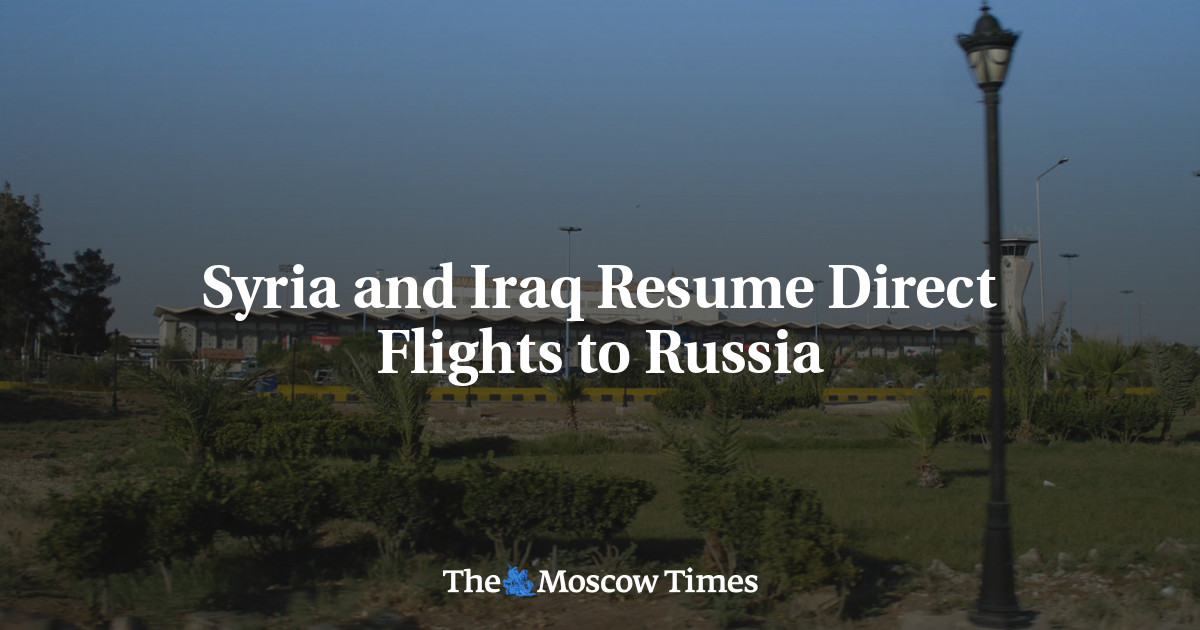
Syria and Iraq have initiated direct flights to Russia, reestablishing air connections that were halted due to political turmoil in Syria and conflicts in the region. This development comes amid ongoing warnings from Western countries regarding travel safety to these nations due to risks associated with terrorism, armed conflict, and potential kidnappings.
Resumption of Air Travel
Syrian Airlines is now offering tickets for flights between Damascus and Moscow’s Sheremetyevo Airport, marking the first direct air travel between the two nations since the civil unrest that led to the decline of President Bashar al-Assad’s regime. The inaugural flight is set for August 16, with weekly services scheduled each Sunday thereafter. Passengers can expect a travel time of approximately four hours and 50 minutes, with economy-class fares starting around $350.
Flight Operations by Iraqi Airways
In a parallel development, Iraqi Airways has also resumed flights between Baghdad and Moscow following a previous suspension caused by airspace restrictions during the regional conflicts. This airline is set to operate two flights per week, signaling a new phase in travel relations. Abdul-Karim Hashim Mustafa, Iraq’s ambassador to Moscow, highlighted that the country is secure for tourists, noting that dining establishments remain open until 2 a.m., which he argues indicates a safe environment.
Travel Warnings Persist
Despite the revival of air services, major Western nations, including the United States, the United Kingdom, Germany, France, Canada, and Australia, continue to caution their citizens against traveling to Syria and parts of Iraq. These advisories reflect ongoing concerns about terrorism, violent clashes, kidnapping, political instability, and inadequate consular support in these regions. Particularly for Syria, advisories remain strong, recommending against any travel due to the precarious situation on the ground.
Tourism Outlook
While the flight reestablishments signify a significant advance in connectivity between these nations and Russia, the broader tourism landscape remains complicated. The ongoing warnings from Western authorities serve as a reminder of the regional tensions that persist. Many travelers may remain hesitant to visit Syria and Iraq due to these alerts, despite the local governments’ claims of improved safety and thriving urban life.
In summary, the return of direct flights between Syria, Iraq, and Russia marks a pivotal moment in air travel links. Nevertheless, the specter of conflict and security concerns continues to overshadow the potential for tourism growth in these historically rich yet tumultuous regions. As airlines work to restore their services, travelers will need to weigh the risks against the allure of exploring destinations that have long been off-limits or fraught with danger.