
Tensions have risen significantly in the region as the United Arab Emirates (UAE) reports continued missile and drone attacks attributed to Iran. This situation has prompted an outpouring of support and condemnation from various leaders around the world, emphasizing the urgency of the matter.
Global Reactions to the Attacks
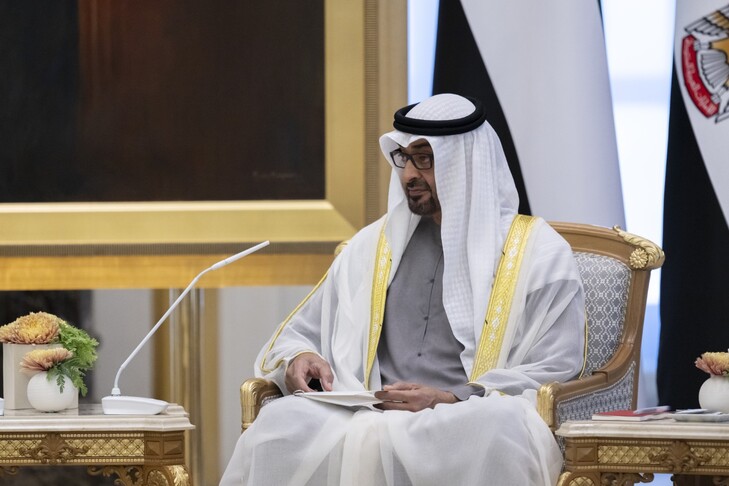
Sheikh Mohammed bin Zayed, the President of the UAE, received messages of solidarity from several regional and international figures following the second day of assaults reported from Iran. Among those reaching out was Israeli Prime Minister Benjamin Netanyahu, who condemned the aggressions targeting civilian areas. Additionally, Jordan’s King Abdullah II and Masrour Barzani, the Prime Minister of the Kurdistan Regional Government, expressed their disapproval of what they termed Iranian terrorism against non-combatants.
The communication underscored a collective commitment to support the UAE. WAM, the state news agency, reported that these leaders affirmed their unwavering support for the measures the UAE has taken to ensure the safety and stability of its citizens, highlighting the importance of international solidarity in addressing acts of aggression.
The UAE’s Defense Response
In response to the missile and drone strikes, the UAE’s Ministry of Defense reported successful interceptions of those attacks. The ongoing conflict has led to serious concerns regarding national security and civilian safety. However, Iran’s military denied any involvement in actions targeting the UAE, stating that if any operations had been conducted, they would have been publicly acknowledged.
In a bold warning, Iran’s military stated that any military action taken against its territory from the UAE would provoke a “decisive and regret-inducing” response. This rhetoric adds another layer of complexity to an already volatile situation, as nations navigate a treacherous balance between defense and diplomacy.
U.S. Military Strategy and Regional Stability
In light of these escalating tensions, U.S. President Donald Trump announced a temporary pause in military operations aimed at escorting ships through the critical Strait of Hormuz. This decision forms part of broader diplomatic efforts to reach a comprehensive agreement with Iran while keeping existing sanctions intact. The questions surrounding the effectiveness of such an agreement loom large, particularly given the longstanding history of conflict in the region.
Since the initiation of strikes by the United States and Israel against Iranian positions on February 28, retaliatory actions from Tehran have only heightened tensions. Although a temporary ceasefire was brokered through Pakistani mediation on April 8, subsequent talks in Islamabad failed to yield a lasting resolution. Trump later extended the truce indefinitely, yet conflicting interests continue to drive the region toward uncertainty.
In recent developments, the U.S. has imposed a naval blockade aimed at Iranian maritime activities within the Strait of Hormuz, further complicating the already strained relationships. As nations grapple with the intricacies of military preparedness and dialogue, the situation remains fluid, with potential shifts occurring at any moment.
In summary, the unfolding crisis between the UAE and Iran is a focal point for international concern. With the involvement of multiple nations and the complexities of military and diplomatic maneuvers, stakeholders are urged to keep a vigilant eye on developments that could significantly impact regional stability and security.