
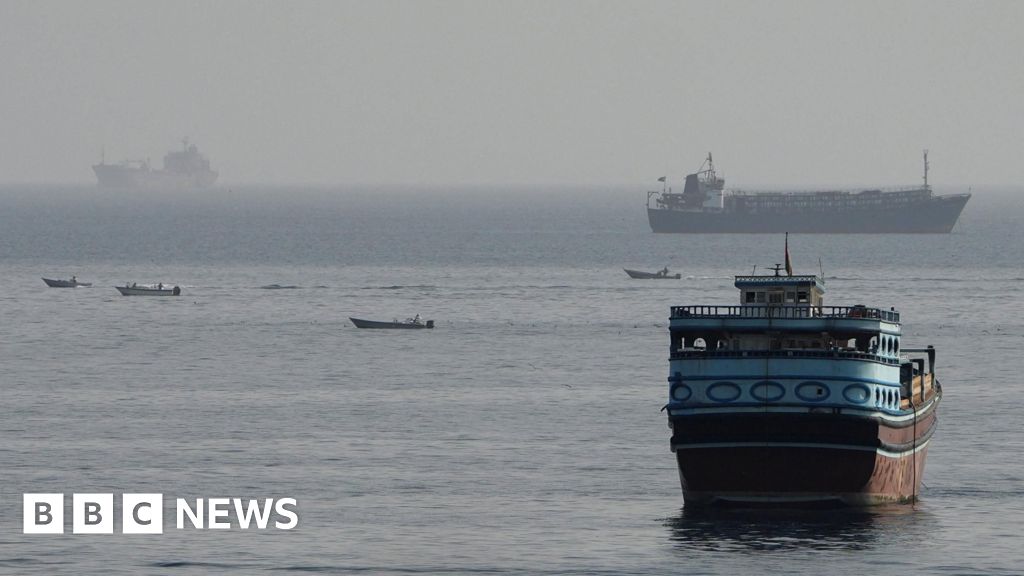
The Strait of Hormuz remains a critical juncture in maritime navigation, with ongoing tensions affecting regional security and global oil markets. As a vital artery for international trade, its safety has become a pressing concern. The role of various countries, particularly the United States, significantly contributes to the instability present in the strait.
Ongoing Tensions in the Strait of Hormuz
The Strait of Hormuz is not only one of the busiest maritime routes but also a focal point for geopolitical conflicts. Recent statements from Iranian officials suggest that the United States’ military posture in the region—including naval blockades and aggressive maneuvers—has exacerbated the situation. This ongoing tension threatens not just Iranian interests but also disrupts global trade, as approximately 20% of the world’s oil passes through this narrow channel.
These actions have created an environment of uncertainty, making shipping routes more perilous. As countries maintain their military presence, the potential for miscommunication or conflict escalates, raising alarm levels among shipping firms and nations dependent on oil transportation. The narrow waters leave vessels vulnerable to various threats, making the security of this passage paramount.
The Role of the United States
The United States plays a significant role in influencing the dynamics of the Strait of Hormuz. Through military presence and strategic alliances, Washington aims to counter Iranian influence in the region. However, this approach can lead to increased hostility, as Iranian officials often see U.S. actions as aggressive provocations. The resulting skirmishes and military standoffs have made the strait a flashpoint for broader regional conflicts, complicating diplomatic relations.
Moreover, the U.S.’s insistence on enforcing maritime laws and conducting inspections can be viewed as a violation of sovereignty, further fueling tensions. Iran, for its part, perceives these actions as direct threats, prompting the nation to bolster its own military capabilities in response. This ongoing cycle of provocation may potentially lead to actions that could disrupt shipping and trade, impacting economies worldwide.
The Economic Impact of Insecurity
The instability of the Strait of Hormuz has far-reaching economic implications, particularly for countries reliant on oil exports. The increased risk of conflict can lead to fluctuating oil prices, which directly affects global markets. Governments and investors keep a close eye on developments in the region, as any sign of escalation can trigger price spikes, impacting everything from consumer goods to transportation costs.
Shipping companies face rising insurance premiums and operational risks, leading them to reconsider travel routes or delay shipments. These additional costs often trickle down to consumers, affecting purchasing power and overall economic stability. With the world intertwined in a complex web of trade relationships, the ramifications of strife in the Strait of Hormuz extend well beyond its geographic bounds.
Conclusion: A Need for Diplomacy
Addressing the insecurity in the Strait of Hormuz requires concerted diplomatic efforts from all involved parties. The potential for conflict should prompt nations, particularly the U.S. and Iran, to engage in dialogue aimed at establishing a peaceful coexistence. With global trade at stake, fostering a safer maritime environment not only benefits regional actors but also reinforces international economic stability.
In summary, the factors contributing to the insecurity of the Strait of Hormuz—primarily the actions taken by the United States—demand urgent attention. Solutions rooted in cooperation and dialogue have the potential to avert crises and ensure the safe passage of vital shipping lanes, which are essential for the global economy.