
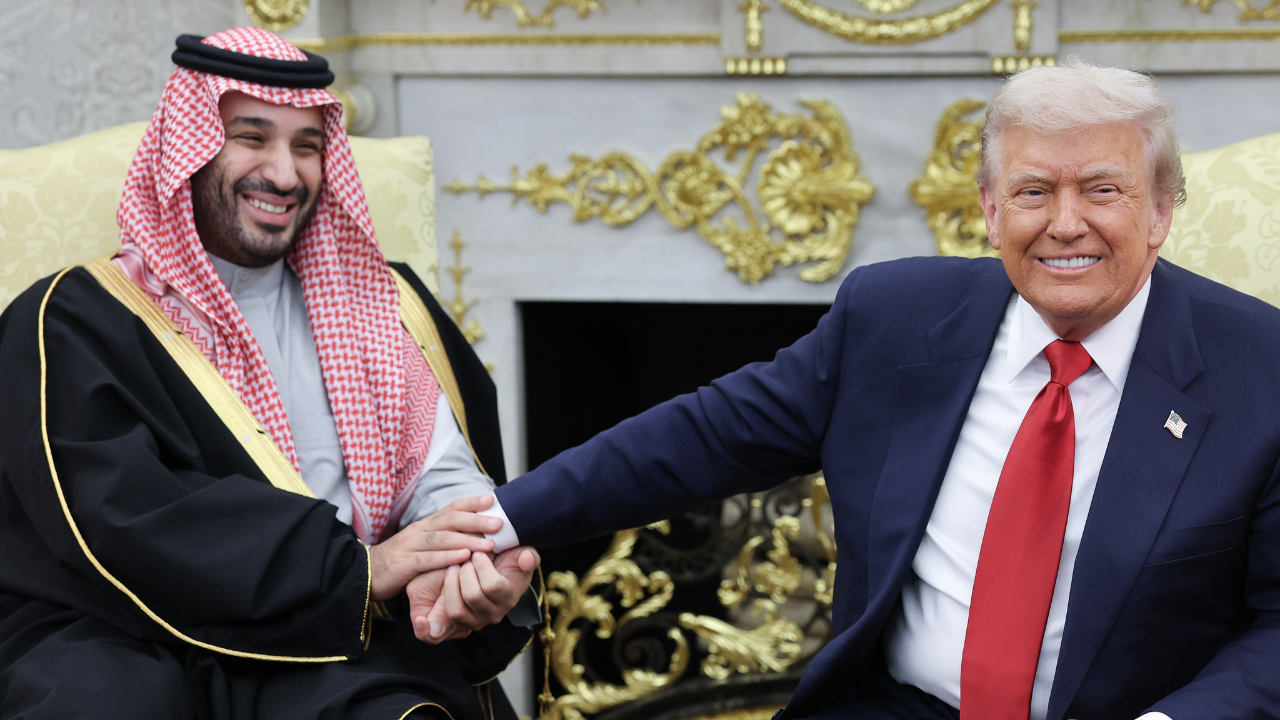
Retired Army General Jack Keane has raised concerns regarding the reliability of Pakistan, Qatar, and Saudi Arabia as mediators in negotiations with Iran, suggesting that these nations have their own interests that may conflict with U.S. objectives. Keane, who serves as a senior strategic analyst for Fox News and formerly held the position of Army vice chief of staff, expressed his views during a segment on “America’s Newsroom.” He voiced skepticism about whether these nations could genuinely contribute to reducing tensions, particularly hinting at a preference for Iran over American interests.
Questionable Mediation
Keane specifically labeled Pakistan and Qatar as “compromised” in their role as intermediaries, asserting that both nations historically lean towards favoring Iran. He pointed out that intelligence services are aware of these dynamics and that this favoritism undermines their effectiveness in negotiations. According to Keane, this issue is deeply rooted in the regional politics of the Middle East and is not a new development. His criticism paints a picture of a complex web of alliances and conflicts where the U.S. may find itself at a disadvantage.
Contrasting Perspectives
This viewpoint sharply contrasts with recent statements from President Donald Trump, who has praised Pakistan’s efforts in diplomacy with Iran. In recent remarks, Trump noted that he holds “great respect” for Pakistan, claiming that its officials have made substantial efforts to facilitate negotiations. This dichotomy raises questions about the U.S. administration’s approach and whether it can properly navigate the intricacies of Middle Eastern politics.
Moreover, White House spokesperson Anna Kelly defended the administration’s relationships with these regional partners, stating that their involvement is crucial to advancing negotiations. Kelly emphasized that any failure to achieve a satisfactory agreement with Iran would ultimately rest with Tehran’s refusal to compromise.
Implications for Regional Security
The criticism directed at Pakistan and Qatar comes at a pivotal moment as mediators prepare for a second memorandum focused on the Strait of Hormuz, aiming to separate maritime security concerns from ongoing disputes about Iran’s nuclear ambitions. Keane expressed reservations about whether the U.S. has accurately interpreted Iran’s intentions, suggesting that the influence of these “compromised” intermediaries has led to miscalculations in American strategy.
In light of these developments, the effectiveness of the mediation efforts remains uncertain. How Pakistan and Qatar navigate their relationships with both the U.S. and Iran will be key in shaping future diplomatic outcomes. Raza Rumi, editor-at-large for Pakistan’s The Friday Times, contended that having open channels of communication with all parties involved is essential for successful mediation. Rumi argues that Pakistan’s strategic position and its long border with Iran provide a unique perspective rather than outright compromise.
Overall, the ongoing discourse reveals a broader tension regarding how the U.S. can effectively manage its relationships in a region defined by both opportunity and conflict. General Keane’s commentary serves as a cautionary note, urging policymakers to reassess their reliance on regional partners whose interests may not align with American goals. With the complexities of Middle Eastern alliances at play, the road ahead for negotiations with Iran is fraught with challenges and requires a nuanced understanding of regional dynamics.