
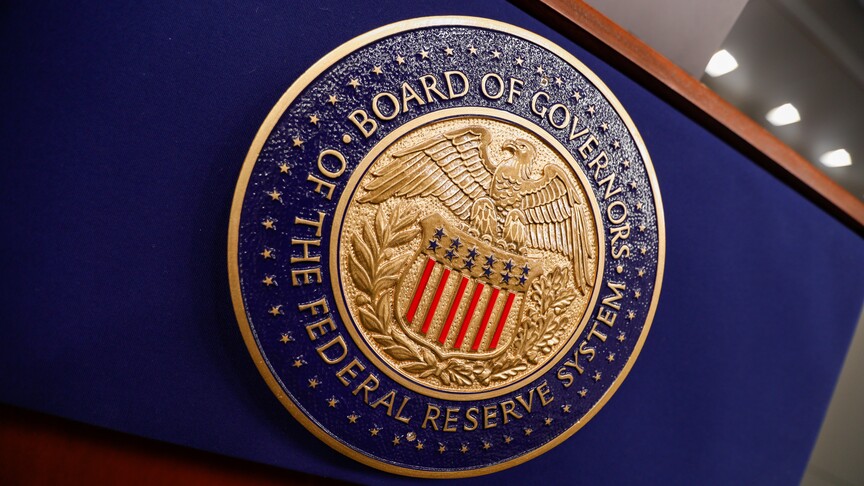
The recent transfer of $500 million by the US Federal Reserve to Iraq’s central bank has raised significant interest. This infusion of cash is set to play a critical role in bolstering Iraq’s economy, particularly in facilitating international transactions.
Significance of the Cash Injection
According to an official statement from an Iraqi source, this shipment aims to enhance the financial capabilities of the Central Bank of Iraq. The funds will specifically be utilized for transactions related to travelers and foreign money transfers. Such financial support is vital for a country that has long faced economic challenges, particularly in managing foreign currency needs and ensuring stability in its banking sector.
The decision to allocate these resources for travelers’ transactions underscores a growing emphasis on stimulating the tourism and travel industries. With a clear strategy to improve international connectivity and support citizens traveling abroad, this move is expected to benefit both individuals and businesses in Iraq.
The Role of the Central Bank
The Central Bank of Iraq plays a pivotal role in managing the country’s financial system. By authorizing the use of these funds for foreign remittances, the bank aims to streamline processes for those engaged in international transactions. This is particularly relevant for expatriates sending money back home and for locals traveling abroad, as it facilitates smoother financial operations and instills a sense of confidence in the banking system.
The Iraqi central bank’s cooperation with international financial institutions like the US Federal Reserve is crucial for rebuilding trust in its financial systems. This partnership not only boosts liquidity but also serves to stabilize Iraqi dinar, which is often vulnerable to fluctuations.
Implications for Iraq’s Economic Landscape
This recent cash infusion from the US is part of broader efforts to enhance Iraq’s economic resilience. It is expected to provide immediate relief and support deeper financial reforms aimed at modernizing the banking sector. The inclusion of these funds in the central bank’s reserves allows for more effective monetary policy implementation.
In a country still grappling with issues such as inflation and unemployment, every bit of financial support is essential. The allocation of funds to not just travelers but also for transactions related to foreign remittances signifies an understanding of the multifaceted needs within the Iraqi economy. This strategic funding can potentially stimulate growth and contribute to long-term stabilization.
Conclusion: Enhancing Financial Stability
In conclusion, the US Federal Reserve’s decision to send $500 million to Iraq’s central bank is a significant development that highlights cooperative international economic strategies. With a focus on facilitating transactions for travelers and remittances, this cash shipment is expected to support Iraq’s efforts toward financial stability and economic growth. As the country continues to navigate its challenges, such international support will be crucial for fostering a resilient and dynamic financial landscape.