
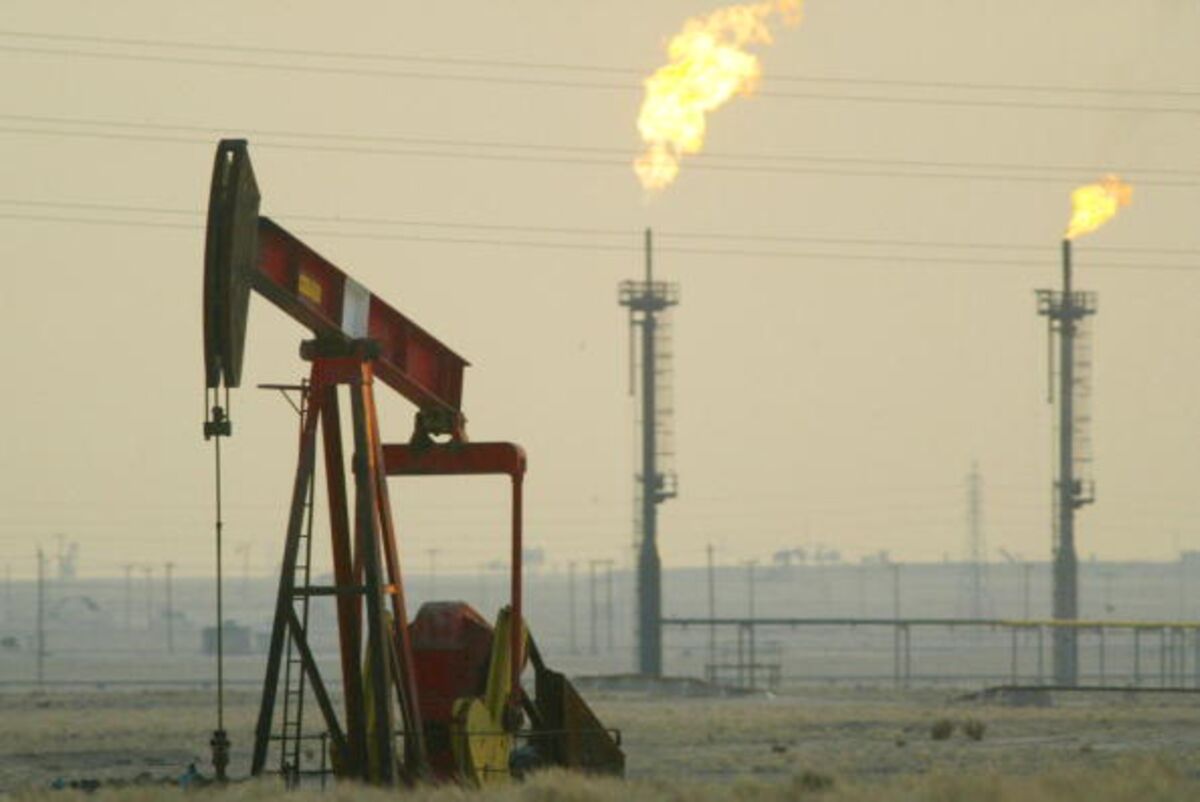
In July, the United States recorded a historic decrease in oil imports from Saudi Arabia, reaching zero for the first time since 1985. This notable trend reflects significant shifts in energy dynamics and global trade relationships.
Historic Decline in Oil Imports
The absence of oil imports from Saudi Arabia in July marks a pivotal moment in U.S. energy transactions. For decades, the U.S. has relied heavily on Saudi crude oil; thus, this reduction can be viewed as a major departure from longstanding trade patterns. Preliminary data revealed this downturn, signaling potential changes in sourcing strategies and market dependencies.
Factors Influencing the Drop
Several factors contribute to this unprecedented decline in imports. Firstly, changing domestic energy policies and advancements in American energy extraction techniques, such as hydraulic fracturing and horizontal drilling, have significantly boosted U.S. oil production. As a result, the country has reduced its reliance on foreign oil, particularly from traditional suppliers like Saudi Arabia.
Moreover, geopolitical tensions and economic considerations are also influencing U.S. energy sourcing. As global oil prices fluctuate and countries navigate their own energy requirements, reliance on specific trade partners is being reassessed. The need for energy independence has become more pronounced, prompting a shift towards domestic resources and other alternative suppliers.
Implications for U.S.-Saudi Relations
This decline in oil imports could reverberate through U.S.-Saudi diplomatic and economic relations. Oil has historically been a cornerstone of the bilateral relationship; thus, this shift might prompt discussions regarding trade policies and partnerships. While the reduction in imports may seem beneficial from a domestic energy perspective, there could be broader implications for strategic alliances and regional stability.
An ongoing evaluation of energy needs and trade partnerships will be necessary for both countries. Saudi Arabia may respond by adjusting its production levels to accommodate changing U.S. demands or redirecting its exports to other global markets.
Future Outlook: Energy Transition and Market Adaptation
As the U.S. continues to embrace renewable energy sources and invest in technology, the future of oil imports may further evolve. With an increasing focus on green alternatives and sustainability, traditional fossil fuel relationships are likely to shift. The changing landscape of global energy demand could either diversify or concentrate sources of imports in unforeseen ways.
In summary, the July zero oil import figure from Saudi Arabia represents a watershed moment in U.S. energy policy and trade. A combination of domestic production growth, international relations, and market adaptations will dictate the future of oil imports and energy strategies. Moving forward, both nations will need to navigate this complex transition while ensuring energy security and diplomatic ties remain robust.