
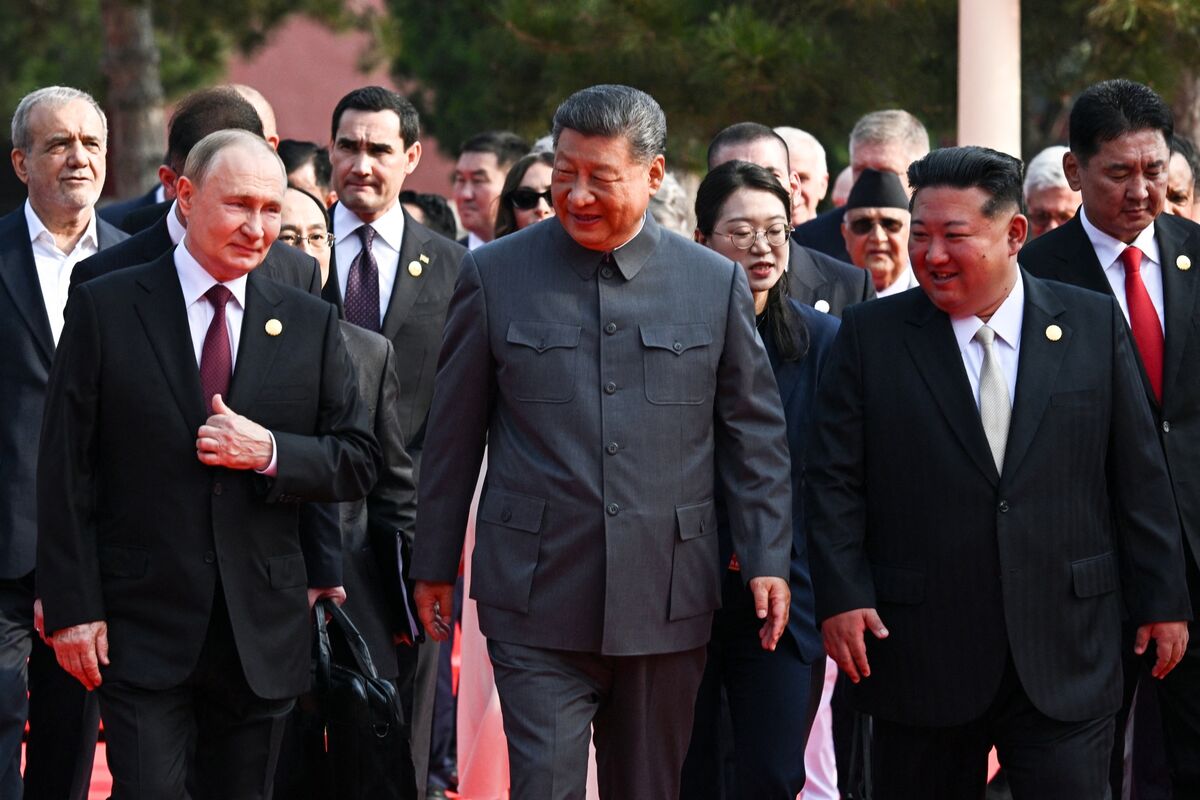
In recent months, geopolitical tensions have intensified in several regions, particularly involving Russia, Iran, and the United States. The dynamics of these relationships are rapidly evolving, with implications for global security and trade. As nations forge strategic alliances and engage in military collaborations, the situation grows increasingly complex.
Russia’s Support for Iran
Recent reports indicate that Russia is enhancing its military cooperation with Iran, particularly in targeting U.S. military installations in the Persian Gulf. This collaboration signals an increased risk for American forces in the region, as Russia seeks to leverage its partnership with Iran to assert more influence. By providing intelligence and military resources, Russia is not only fortifying its own position but also enabling Iran to challenge U.S. presence and influence.
Ukraine’s Strategic Actions
In a counter-move, Ukraine has launched strikes against an Iranian vessel in the Caspian Sea. This attack aims to disrupt the growing economic and military ties between Moscow and Tehran. By targeting Iranian assets, Ukraine is attempting to weaken the support system Russia relies on for its ongoing conflict in Ukraine. This strategic action highlights how interconnected geopolitical events influence individual nations, changing the landscape of regional alliances.
China and North Korea’s Role
Amidst these tensions, there are emerging rumors regarding China’s potential plans to sell advanced air defense systems to Iran. Such a development could significantly bolster Iran’s military capabilities, further complicating the balance of power in the Middle East. Additionally, North Korea may consider sending troops to assist Russia in its ongoing war efforts. This potential involvement underscores the complex web of international relationships that could influence the course of the conflict.
Implications for Global Security
The alignment of these countries and their military strategies raises significant concerns for global security. The increasing cooperation between Russia and Iran, coupled with potential Chinese involvement, modified alliances could provoke heightened tensions between Western nations and these Eastern powers. As countries navigate these unpredictable waters, the potential for conflict escalates, affecting trade routes and security arrangements worldwide.
In summary, the intricate relationships among Russia, Iran, China, and North Korea illustrate the rapidly-changing geopolitical landscape. With each nation pursuing its interests, the risk of miscalculations and increased military confrontations looms large. This evolving situation will continue to affect global trade and security policies in profound ways. As these nations solidify their alliances and assert their military capabilities, stakeholders in international relations must stay vigilant and prepared for the consequences.