
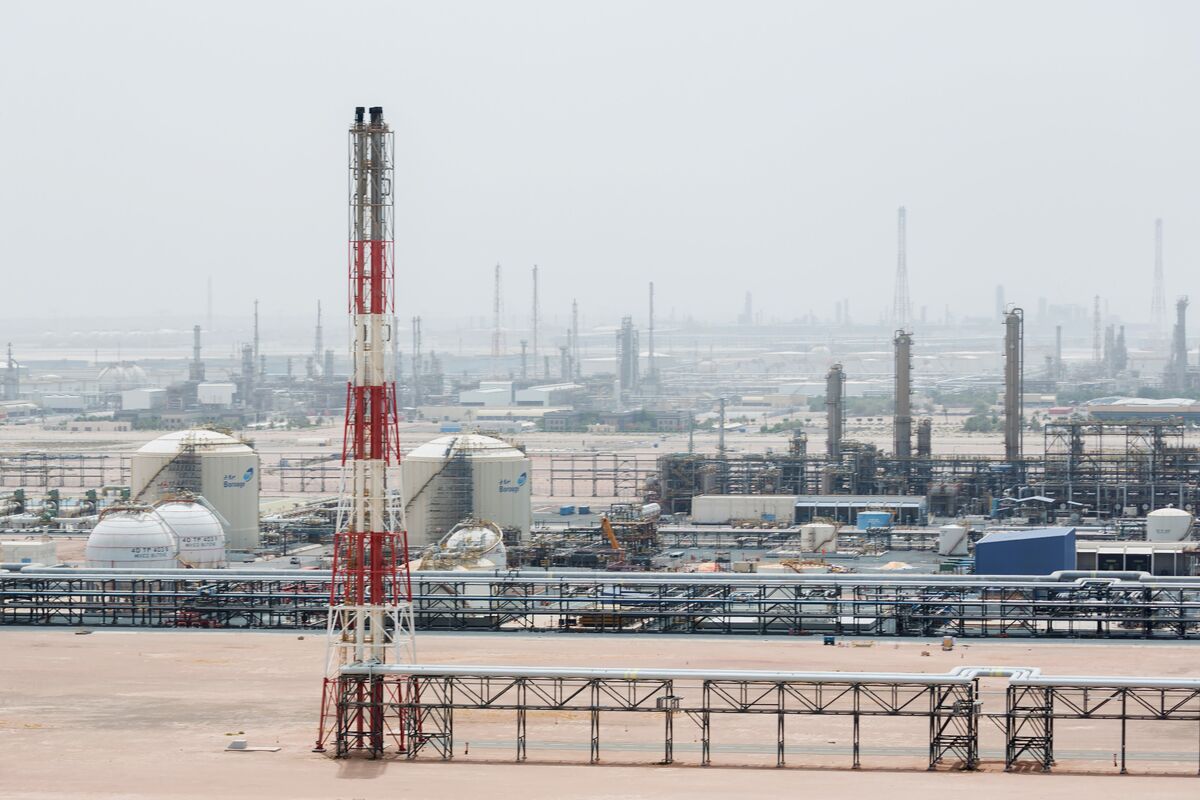
The United Arab Emirates (UAE) is making significant strides in the oil industry by investing heavily to enhance its shipping capabilities. Recently, the largest oil producer in the UAE allocated an impressive $1.3 billion to expand its fleet of tankers. This strategic move comes in response to the accelerating export of crude oil, particularly following the country’s decision to part ways with OPEC and increase its operations in the strategically vital Strait of Hormuz.
Strategic Expansion in Response to Market Trends
The investment in tanker fleet expansion is a calculated response to the rising global demand for oil, especially from the UAE’s burgeoning oil reserves. The departure from the Organization of the Petroleum Exporting Countries (OPEC) has granted the UAE increased freedom to boost production levels without the constraints typically imposed by collective agreements. Consequently, this has positioned the UAE to capitalize on favorable market conditions, particularly the escalating demand for crude oil around the globe.
Furthermore, the Strait of Hormuz plays a crucial role in the transportation of oil, accounting for a significant portion of the world’s energy supply. By increasing its tanker fleet, the UAE not only strengthens its logistical capabilities but also safeguards its interests in this often contested maritime corridor. This development will provide the country with greater flexibility and efficiency in shipping its oil to international markets, enhancing its competitiveness on the global stage.
Implications for the Global Oil Market
The UAE’s investment is expected to have broad implications for the global oil market. As one of the leading producers in the region, any increase in the UAE’s oil output can influence global oil prices and market dynamics. By expanding its tanker fleet, the UAE is positioning itself to respond swiftly to changes in demand, which could lead to increased market share and revenue for the nation.
This move also highlights the UAE’s commitment to maintaining a robust oil industry in a rapidly changing economic landscape. As geopolitical tensions and environmental considerations shape the future of energy production and distribution, the ability to transport oil efficiently and safely becomes crucial. The UAE’s investment in its tanker fleet signals its intent to remain a formidable player in the energy sector, irrespective of external pressures.
Future Prospects and Global Competition
The oil export strategy adopted by the UAE may present new challenges and opportunities for other oil-producing nations. As the UAE bolsters its tanker fleet, it could spark a competitive response from neighboring countries looking to enhance their own logistical capabilities. This competition could lead to more investments within the region, possibly reshaping the dynamics of oil production and transport on a broader scale.
Looking ahead, the UAE’s commitment to expanding its tanker fleet and increasing production will likely play a vital role in shaping the global energy landscape. As the world navigates the complexities of energy sustainability, the ability to efficiently distribute oil will determine market leadership. The recent investment illustrates a broader strategy focused on positioning the UAE as a key player, ready to adapt to an ever-evolving market and political environment.
In summary, the UAE’s $1.3 billion investment in expanding its tanker fleet is more than just a response to market conditions; it represents a strategic initiative aimed at securing and enhancing its status as a premier oil exporter in a competitive global landscape. The implications of this investment will be felt across the industry, impacting global oil dynamics for years to come.