
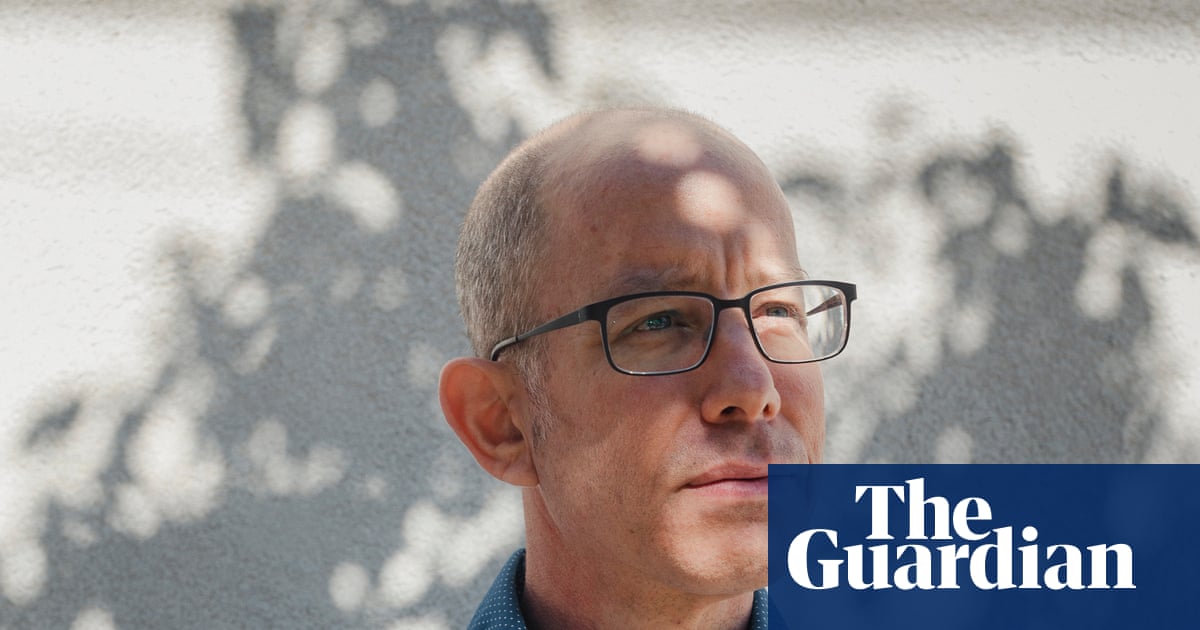
In June 2024, the University of Minnesota (UMN) offered renowned historian Raz Segal the position of director at its Center for Holocaust and Genocide Studies. This decision was supported almost unanimously by a committee of scholars who conducted a thorough search process. Committee members praised Segal’s qualifications and insight, indicating a strong endorsement for his leadership.
### Controversy Over Hiring Decision
However, just days after extending the offer, UMN rescinded it, citing community perspectives. The backlash stemmed from Segal’s op-ed, where he labeled Israel’s military actions in Gaza a “textbook case of genocide,” a statement made shortly after violent incidents in the region. Critics accused him of justifying Hamas’s actions, a viewpoint Segal adamantly disputed. This controversy catalyzed a movement against his hiring, ultimately leading to UMN’s withdrawal.
### Settlement Reached
Two years after the university’s abrupt decision, Segal agreed to a $250,000 settlement with UMN, which included a clause that the payment does not acknowledge any wrongdoing on the university’s part. Segal expressed that this settlement should embolden other scholars facing similar repercussions for criticizing Israel’s policies. The pressure that led to his hiring’s withdrawal was further exposed through emails obtained via a public records request, which revealed coordinated pressure from donors, legislators, and pro-Israel advocates aimed at university officials.
### Academic Freedom and Community Pressure
The legal representation for Segal argued that the actions taken against him hindered his constitutional rights, specifically targeting his right to express dissenting views. Maria LaHood, from the Center for Constitutional Rights, emphasized that Segal’s candid assessment of the situation in Gaza reflected academic courage, which was overlooked in favor of appeasing vocal critics in the community.
Despite his complex identity—being Jewish, an Israeli-American, and the descendant of Holocaust survivors—Segal articulated that he found himself criticized for being “the wrong kind of Israeli.” Now, he holds a tenured position at Stockton University in New Jersey, where he continues his scholarly work on the Holocaust and genocide studies.
### Ongoing Discussions in the Academic Sphere
The case underscores a broader debate regarding academic freedom and the repercussions scholars face when addressing contentious political issues. Following the decision to withdraw Segal’s offer, numerous emails from various stakeholders revealed a split within the Jewish community concerning his appropriateness for the role. Some argued that Segal’s views did not represent the majority opinion among Jewish students and community members, which complicates the narrative of a singular Jewish perspective on such debates.
The difficulty Segal faced in securing a position after the controversy raises significant concerns about academic independence and moderation within university hiring processes. Institutions may need to reexamine the implications of yielding to external pressures when it comes to academic appointments, especially in fields dealing with sensitive historical and ethical issues.
In the wake of this saga, the position at the UMN’s Center for Holocaust and Genocide Studies remains unfilled, reflecting ongoing tensions surrounding academic discourse and freedom within the university setting. The future of this role and similar positions may continue to be shaped by such contentious public and internal-community opinions, underscoring the fragility of academic freedom in politically charged environments.