
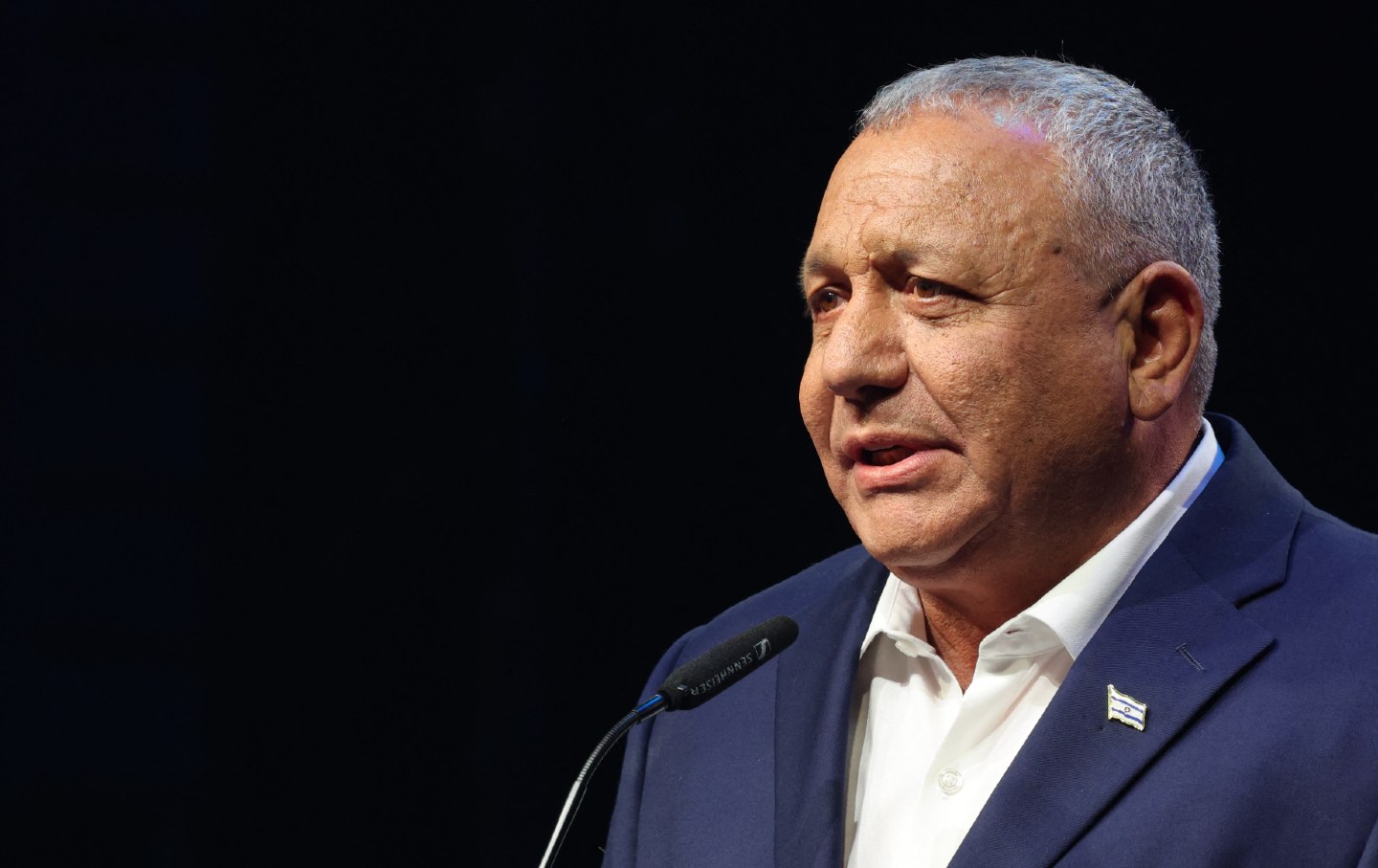
Gadi Eisenkot, the former chief of staff of the Israeli Defense Forces, is positioning himself as a significant contender in the upcoming Israeli elections, being characterized by supporters as the “anti-Netanyahu.” As Israel heads towards its first legislative elections since the Gaza conflict began, it’s essential to evaluate whether Eisenkot truly offers a departure from Prime Minister Benjamin Netanyahu’s controversial leadership or simply represents a continuation of existing policies.
Challenges Facing Netanyahu
Benjamin Netanyahu, Israel’s longest-serving prime minister, aims for yet another term despite ongoing legal challenges and national controversies surrounding military conscription and regional conflicts. His government has faced severe criticism, particularly regarding the never-ending war with Iran and the resulting implications for national security. While Netanyahu has held power significantly longer than most leaders, murmurs of dissent and challenges from opposition figures signal that his popularity may be waning.
A range of dissenting politicians are vying to replace him, with Eisenkot emerging as a notable candidate. He leads the newly-formed Yashar party, which has seen a surge in public support and is now competing closely with Netanyahu’s Likud party for the top political position. Eisenkot is touted as a breath of fresh air, promising an alternative to Netanyahu’s legacy, and some commentators endorse him for his perceived integrity and thoughtful approach to governance.
Eisenkot’s Military Record and Proposed Policies
Eisenkot is not a stranger to controversy himself. His military tenure is marked by the implementation of what is known as the “Dahieh Doctrine,” which emphasizes collective punishment against civilian populations in Lebanon, particularly during the 2006 Lebanon War. While this strategy has made him a figure of scrutiny amongst those affected by military actions, it has not prevented him from rising to political prominence in Israel.
Despite portraying himself as different from Netanyahu, Eisenkot has made statements that suggest a continuation of aggressive tactics, albeit with a more refined strategy. He advocates for a more cautious approach but concurrently praises various facets of Netanyahu’s militaristic policies, indicating that his own stance may not diverge significantly from the status quo. He criticized Netanyahu’s response to Hezbollah but supported the overall military dominance that has defined much of Israel’s foreign policy under Netanyahu.
Domestic and International Reception
The Israeli public’s initial reception of Eisenkot has been cautiously optimistic, driven largely by a desire for a leader who can reclaim Israel’s international reputation. While Eisenkot’s agenda appears to align with a more liberal vision, it raises concerns about whether real change is achievable or if he will merely operate within the same destructive framework as his predecessor.
Interestingly, his approach to issues concerning Arab citizens and the Palestinian state has been lukewarm at best. Eisenkot accepts the notion of Arab citizens but with conditions that render meaningful representation difficult. His opposition to Palestinian statehood and endorsement of settlement expansion signal a continuation of Israel’s complex and often contentious policies in the region.
Gadi Eisenkot stands at a pivotal crossroad in Israeli politics. His political ambitions are intertwined with a legacy of military decisions that mirror many aspects of Netanyahu’s administration. The upcoming elections offer not only a contest of differing visions but also a reflection on Israel’s national trajectory. As voters consider their options, it remains to be seen if genuine reform is a possibility or if the cycle of aggressive nationalist policies will continue under a new face.