
Pakistan, Turkey, and Saudi Arabia have recently forged a mutual defense agreement, a significant development amid rising tensions in the region, particularly from the Iran-backed Houthi rebels. This agreement signals increased cooperation among these nations as they navigate the complexities of regional security.
Strengthening Ties: The Mutual Defense Agreement
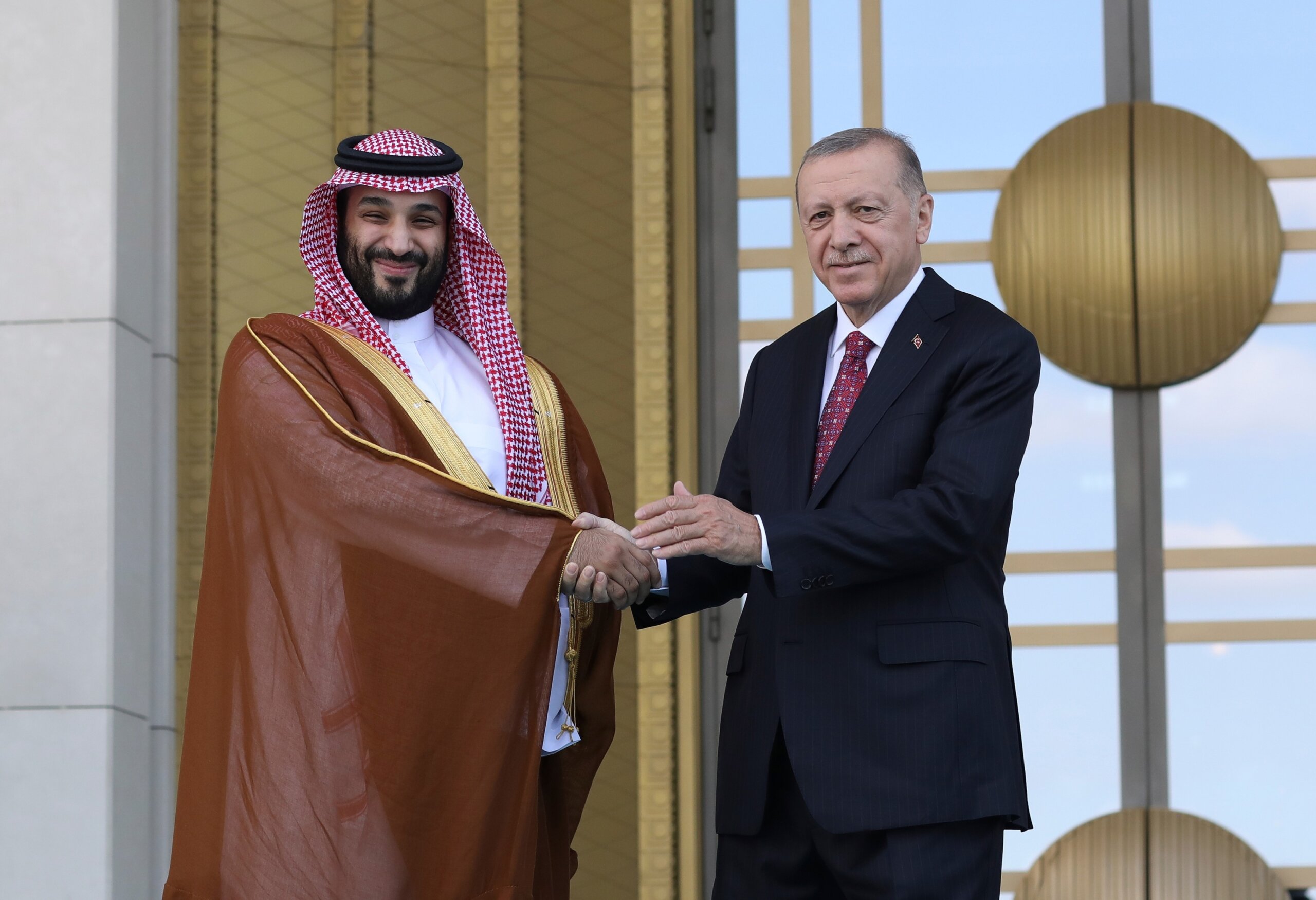
The alliance created by this mutual defense pact is remarkable. Saudi Arabia, known for its vast oil reserves, nuclear-capable Pakistan, and Turkey—housing NATO’s second-largest military and a growing defense sector—came together to formalize this agreement. This pivotal deal, signed during a high-profile meeting involving Saudi Crown Prince Mohammed bin Salman, Turkish President Recep Tayyip Erdogan, and Pakistani Prime Minister Shehbaz Sharif, conveys a united front against potential threats.
The essence of this agreement is straightforward: any act of armed aggression against one of these three nations will be interpreted as an attack against all. This collective approach intends to bolster deterrence efforts against hostile actions, as stated by Pakistan’s foreign ministry. Given the increasing dangers facing Saudi Arabia—where critical infrastructures have been targeted amidst ongoing conflicts—this pact represents a crucial step towards diversifying its defense strategies.
The Escalation of Houthi Attacks in Yemen
As the mutual defense agreement takes shape, the situation in Yemen remains dire. On the same day, Iran-backed Houthi rebels intensified their offensive in Marib province, targeting Saudi-supported forces in the region. According to military sources, missiles were launched from areas surrounding Yemen’s capital, Sanaa, striking multiple locations in Marib. While officials report potential casualties, the rebels have not publicly acknowledged responsibility for these attacks.
This uptick in violence comes on the heels of previous strikes targeting Saudi Arabia. In a separate incident, the Houthis targeted the Najran region, resulting in injuries to at least 11 civilians, sparking outrage from the Saudi-led coalition. Major General Turki al-Malki condemned the attacks, describing them as indiscriminate and harmful to civilian life. The spokesperson for the Houthis, however, asserted their intention to continue targeting Saudi-backed forces, marking a serious shift in hostilities since a ceasefire was established in 2022.
Increased Tensions on the Lebanese Front
In addition to the developments in Yemen, tensions have escalated in Lebanon, where an Israeli airstrike resulted in injuries to a Lebanese soldier. The assailant was operating a bulldozer in the village of Mansouri, which had already experienced shelling earlier in the week. The Israeli military has not released a formal response but previously conducted strikes in southern Lebanon in light of perceived violations by Hezbollah, indicating an ongoing pattern of conflict in this area.
As regional instability grows, the interconnectedness of these incidents—from the Saudi-Turkish-Pakistani alliance to the eruptions of violence in Yemen and Lebanon—demonstrates the complexity of the Middle Eastern landscape. Nations are increasingly compelled to navigate a web of alliances and threats, making this an essential period for diplomatic engagement and potential conflict resolution. The developments in these regions will undoubtedly shape future geopolitical dynamics and alliances throughout the Middle East and beyond.
As tensions rise, the vigilant monitoring of these conflicts remains imperative, with implications extending far beyond the immediate landscapes of war.