
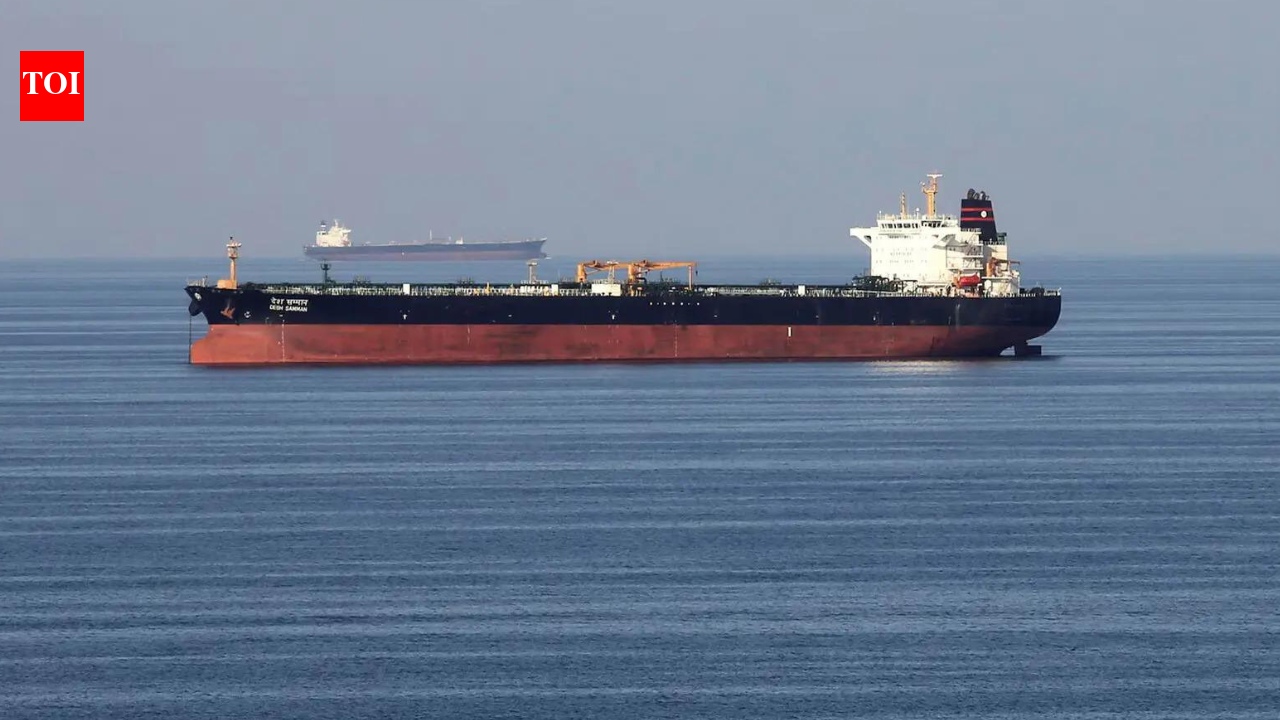
Iran is taking significant steps toward establishing control over the strategic Strait of Hormuz by proposing measures that aim to prevent US and Israeli ships from entering this vital waterway. Media reports indicate that part of a potential agreement between Iran and Oman includes conditions for permitting the passage of foreign vessels, contingent upon compensation from nations perceived as hostile. This approach seeks to minimize the impact of foreign naval presence in a region where energy transport is crucial to the global economy.
The Implications of the Proposed Deal
The proposed deal between Iran and Oman has emerged amidst escalating tensions following recent military engagements between Iran, the US, and Israel. Experts suggest that this agreement could pave the way for a restoration of energy flows that have been severely restricted since the onset of conflict in February. Thomas Warrick, a former State Department official, expressed skepticism about the possibility of a cooperative resolution, noting, “Instead of both sides making concessions, both sides are increasing demands.” This ongoing tension indicates that diplomatic resolutions will not come easily.
US and Israeli Reactions
Despite the ongoing negotiations, US President Trump has provided a cautiously optimistic outlook, stating that discussions are progressing well. However, it remains uncertain how the US administration will respond to Iran’s stipulations concerning navigation rights. Notably, the number of US or Israeli commercial shipping vessels operating in the Persian Gulf has dwindled since the outbreak of hostilities, raising questions about how far Iran might extend its ban on vessels deemed to be linked to these countries. The complexity of vessel ownership further complicates the matter, making enforcement more challenging.
The Current Military Landscape
Recent actions taken by Iranian naval forces at the Strait of Hormuz, reported by the Fars news agency, highlight the precarious military landscape in the area. The Iranian authorities assert that these operations target “hostile targets,” signaling a willingness to defend their interests aggressively. Meanwhile, both the US and Iranian military forces have indicated that some form of agreement regarding navigation in the Strait could be imminent. However, with both sides holding firm on their demands, reaching a consensus remains a daunting task.
Future Prospects for Hormuz
The ongoing tensions see the US insisting on the principle of free navigation through the Strait of Hormuz, reflecting its strategic interests in maintaining open maritime trade routes. Conversely, Iran has made it clear that a full reopening of the strait would necessitate an end to the American maritime blockade, a request that the US has yet to address meaningfully. The draft agreement reportedly under review in Iran’s parliament envisions Iranian oversight of vessel entry into Hormuz, with the exit managed collaboratively with Oman, highlighting regional dynamics at play.
The implications of this agreement will significantly affect the geopolitical landscape of the Gulf region. As the world watches, both the US and Iran are preparing for a crucial negotiation period that could either hinder or facilitate energy transit through this vital chokepoint. The question remains: will these developments lead to a peaceful resolution, or will they further entrench the existing hostilities? Overall, the region’s stability depends on the outcome of these negotiations, making it an essential focus for global energy stakeholders.