
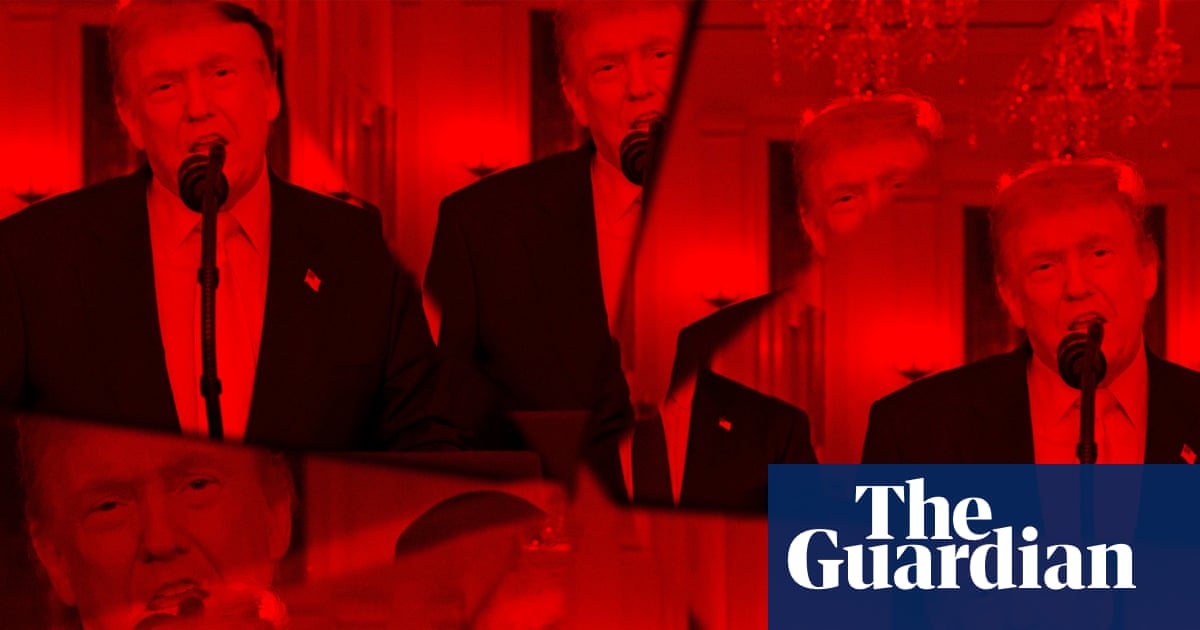
The Unfolding Conundrum of U.S.-Iran Relations Under Trump
The dynamics between the United States and Iran have grown increasingly complicated under President Donald Trump. After more than five months of hostilities, the relentless threat of military action has often been met with negotiations, resulting in the perception of vacillation. Trump’s struggle to achieve a decisive military victory over Iran may soon invite public ridicule.
Repeated Negotiation Attempts
Since initiating military actions alongside Israel on February 28, Trump has faced repeated setbacks, culminating in what many critics have termed a hopeless “Groundhog Day” scenario. Reports indicate that he has issued similar ultimatums multiple times before retreating to the negotiation table. Just last weekend, while aboard Air Force One, Trump announced the cancellation of what he termed “massive” military strikes, a decision attributed to advice from U.S. allies and a belief that diplomatic options could still yield results. This cycle of threats followed by backpedaling has raised eyebrows, particularly as military operations continue to unfold without conclusive outcomes.
Despite ongoing discussions—especially between Iran and Oman about shipping routes in the critical Strait of Hormuz—progress has been sluggish, leaving this vital thoroughfare, through which approximately a fifth of the world’s oil passes, still contested. This continued deadlock mirrors previous instances, including Trump’s alarming threat that Iran’s “civilization will die tonight” if demands were not met, only to retreat once again at the last moment.
Mockery Over Strategy
The president’s claims of nearing victory have increasingly become subjects of skepticism and sarcasm. In a recent montage by CNN, Trump was shown making repeated assertions of impending peace, despite evidence suggesting that Iran remains capable of retaliating against U.S. forces in the region. As veteran journalist Andrew Neil pointedly noted, Trump has seemingly achieved “peace” in the Iran conflict multiple times within the span of just a few months, provoking ridicule and questions about the validity of his declarations.
Many analysts suggest that Trump’s inconsistent messaging reflects a lack of coherent strategy. Political scientist Mehrzad Boroujerdi, who has studied the inner workings of Iran’s leadership, understands that expectations of compliance from Iran may be misplaced. He argues that Trump’s approach is fundamentally flawed, noting that revolutions like Iran’s are difficult to undermine from the outside. The leaders of Iran are deeply ingrained in a system that they believe in and defend zealously. Boroujerdi emphasizes that this lack of understanding has led Trump to a dead end, where his aggressive threats yield little more than exasperation.
The Psychological Landscape of Iranian Leadership
Understanding Iran’s leadership, according to Boroujerdi, hinges on comprehension of their background and psychological motivations. Many key figures came from humble origins yet have risen to significant power due to the revolutions of the past. This emotional connection to their positions bolsters their resilience against external threats, particularly from a nation that aims to remove them from power. Boroujerdi has compiled extensive data on Iran’s elite, arguing that understanding their psychological makeup could provide insights into their unwavering stance against U.S. pressures.
The collapse of a ceasefire agreed upon in June revealed the deep-seated tensions influencing negotiations. Trump’s recent labeling of Iranian leaders as “scum” at a NATO summit further underscores his frustration, indicating a disconnect between his expectations and Iran’s realities. Many Iran watchers express concern that this lack of understanding means that Trump will continue to oscillate between military threats and calls for negotiation, undermining any potential for effective policy.
The interplay of Trump’s emotions and strategic miscalculations raises questions about the future of U.S.-Iran relations. Observers suggest that options for a substantial military response are limited, primarily due to concerns over the depletion of U.S. missile stockpiles. Trump’s vacillation points to a deeper issue: understanding the complexities of his adversary is crucial for navigating these turbulent waters. This ordeal reinforces the notion that half the battle in geopolitics lies in comprehending one’s opponent.