
Recent missile and drone assaults by Iran-backed Houthi rebels have resulted in significant casualties among Yemeni government forces, highlighting the ongoing conflict in the region. Reports indicate that 61 soldiers lost their lives during attacks that occurred Thursday and Friday, marking a severe escalation in hostilities. These attacks come in response to increased military support from Saudi Arabia to Yemen’s internationally recognized government.
Escalation of Hostilities
Yemen has been embroiled in a brutal civil war since 2015, primarily pitting the Houthis against the Yemeni government, which is backed by Saudi Arabia and an international coalition led by the U.S. The Houthis’ recent actions appear to be a direct retaliation to the bolstered military support from Saudi Arabia. The chaotic nature of the conflict has drawn in multiple regional and global powers, complicating the prospects for a resolution.
Thursday’s dual-pronged assault involved ballistic missiles and drones, resulting in not just fatalities but also numerous injuries among the Yemeni troops, with reports stating around 58 were wounded. Military analysts categorize this series of attacks as one of the worst since 2022. The severity of the situation has prompted a statement from the Yemeni Ministry of Defense, which vowed a military response “at the appropriate place and time.”
Humanitarian Impact
In addition to the casualties among the military, the conflict has had a tragic spillover effect on civilian life. On the same day as the attacks on Yemeni troops, air raids resulted in injuries to 11 civilians in the Najran region. This highlights the humanitarian crisis that continues to deepen amid the ongoing conflict. As both sides escalate their military operations, the prospects for innocent civilians caught in the crossfire grow increasingly dire.
The Houthis’ actions do not only escalate the conflict in Yemen but also tie into broader geopolitical tensions in the region. The strategic location of Yemen and the Red Sea makes it a focal point in the U.S.-Iran rivalry. As the Houthis leverage this conflict, they contribute to an unstable environment in the Strait of Hormuz, which has ramifications for global energy supplies.
Regional Security Concerns
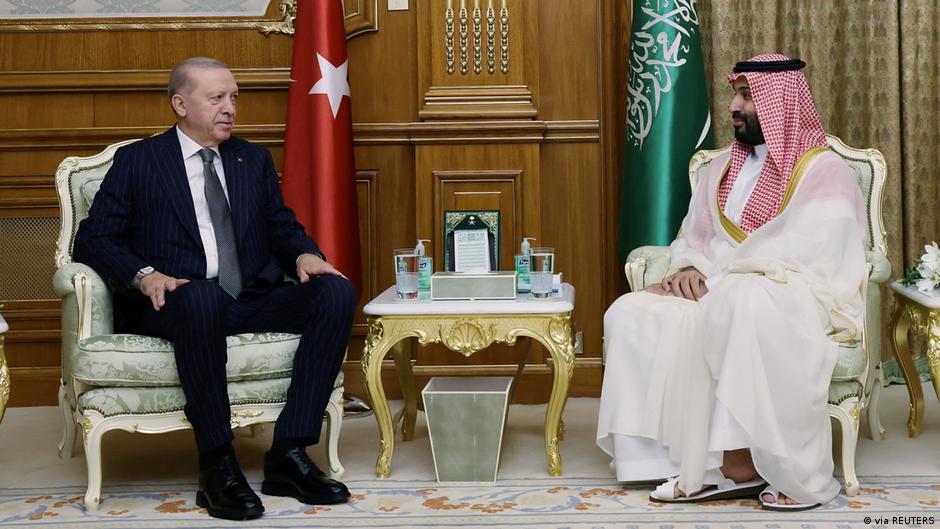
The shifting dynamics in the Middle East have spurred discussions about new alliances and defense agreements. A potential joint security pact between Saudi Arabia, Turkey, and Pakistan is indicative of how nations are responding to the evolving security landscape. These developments underline the importance of regional cooperation in facing threats that stem from ongoing conflicts, particularly those influenced by hostile non-state actors like the Houthis.
As the situation develops, the international community remains concerned about both the humanitarian toll and the potential for further military escalations. The need for a comprehensive solution to the Yemen crisis is more pressing than ever, as it poses risks not only to regional stability but also to global economic interests. The focus remains on diplomatic efforts aimed at achieving a sustainable resolution that addresses the underlying issues fueling the conflict.