
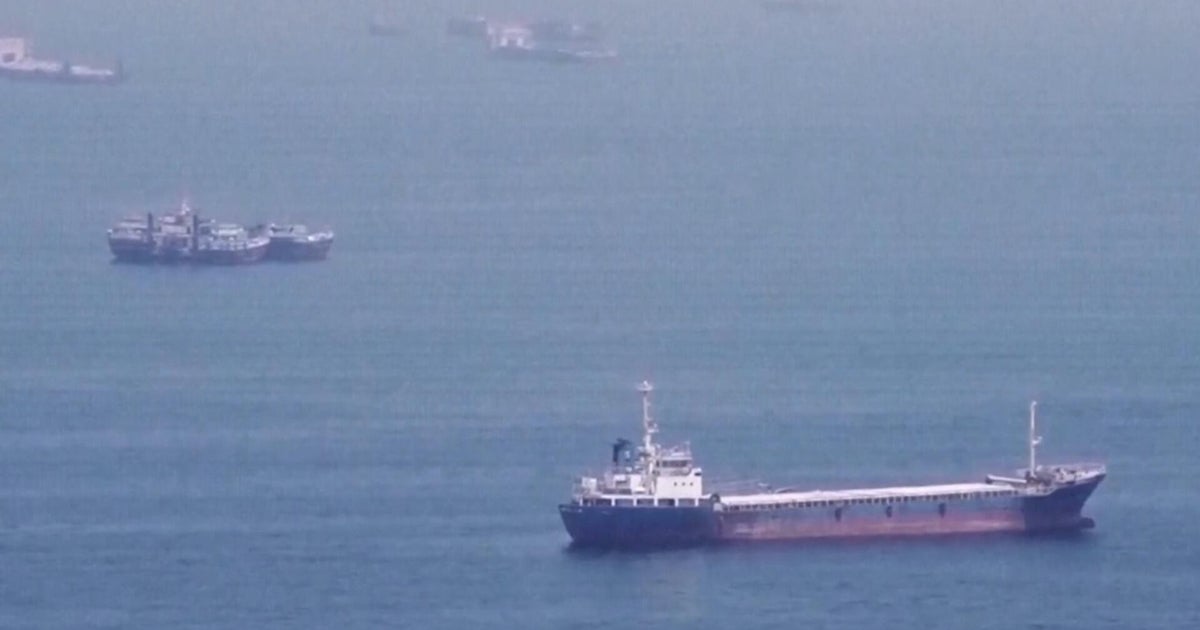
The geopolitical landscape surrounding the Strait of Hormuz, a vital maritime corridor for global oil transportation, continues to evolve. Iran and Oman, two neighboring countries in the region, have recently engaged in discussions aimed at addressing ongoing tensions and ensuring stability in this critical area.
The Importance of the Strait of Hormuz
The Strait of Hormuz is a narrow waterway located between Iran to the north and Oman to the south, through which approximately 20% of the world’s oil supply passes. This strategic chokepoint is crucial for several nations reliant on oil exports, primarily those from the Gulf Cooperation Council (GCC) states. Given its importance to global energy markets, any instability in this region can have far-reaching impacts on oil prices and international relations. As tensions rise in the area, the collaborative efforts between Iran and Oman are essential for reducing potential conflicts that could disrupt shipping routes and threaten global energy security.
Diplomatic Engagements Between Iran and Oman
Iran and Oman share a historically cordial relationship, often acting as intermediaries in regional conflicts. Recent communications have focused on reinforcing this partnership in the context of broader regional dynamics. According to various sources, both nations are keen on conducting negotiations aimed at ensuring maritime security in the Strait. Oman’s unique position as a mediator is vital, given its diplomatic ties with both Iran and Western nations. This effort not only aims to prevent hostilities but also to promote economic cooperation, which could facilitate a more stable environment.
One of the crucial aspects of these negotiations is the mutual recognition of maritime rights and responsibilities. Iran’s strategic military presence in the region and Oman’s commitment to diplomatic solutions could create a balanced approach to managing maritime security. Enhanced dialogue could contribute to a framework for joint naval operations, intelligence-sharing, and conflict-resolution strategies, ultimately benefiting both countries as well as the international community.
Future Implications for Regional Stability
The discussions between Iran and Oman have the potential to lay the groundwork for a more stable geopolitical landscape in the Middle East. Should these diplomatic efforts succeed, they could lead to a reduction in naval confrontations and foster a climate of trust among nations that rely heavily on the Strait of Hormuz for energy transportation. Increased stability in the region would not only benefit oil-exporting and -importing nations but also contribute to broader economic development opportunities.
Moreover, the potential for enhanced regional cooperation could serve as a model for other nations facing similar challenges. By prioritizing dialogue over conflict, Iran and Oman could inspire neighboring countries to pursue their own diplomatic avenues, ultimately leading to a more peaceful coexistence in a region fraught with historical animosities. With the world closely watching, the outcomes of these negotiations will likely influence geopolitical strategies and energy policies globally.
In summary, the ongoing talks between Iran and Oman represent a significant step toward ensuring security in the Strait of Hormuz, a lifeline for the world’s oil supply. Their approach prioritizes diplomacy and partnership, presenting the possibility of a more secure and economically vibrant future for the region. Keeping a vigilant eye on these developments is essential, as the consequences could extend far beyond the immediate geography of the Strait, affecting global oil markets and international relations altogether.