
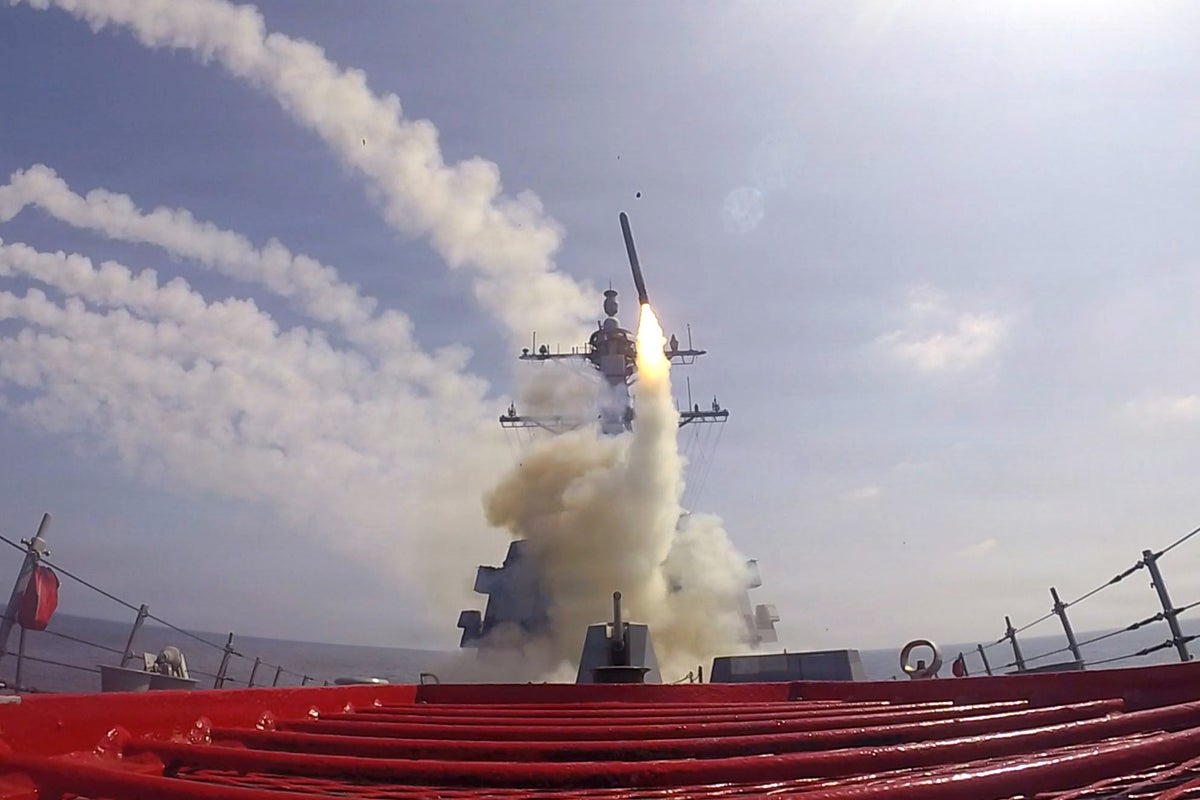
The ongoing conflict with Iran has put significant pressure on U.S. military resources, prompting urgent calls from the Pentagon for increased production of weapons. As the situation escalates, U.S. defense officials are seeking to expedite the manufacturing process in order to replenish dwindling stockpiles.
Pentagon’s Urgent Call for Increased Production
In a recent memo, Deputy Defense Secretary Steve Feinberg instructed defense contractors to revise their production timelines, demanding accelerated schedules for delivering critical capabilities. The memo underscores the urgency of the current situation. Feinberg stated, “Years-long development cycles are not acceptable,” emphasizing that immediate action must be taken to expand production capabilities. This demand signals a stark shift in the Pentagon’s approach to procurement, where speed is now prioritized over traditional development processes.
The Pentagon has confirmed the authenticity of Feinberg’s communication and commended him as a leader focused on modernizing the acquisition system. According to Sean Parnell, the chief Pentagon spokesman, collaborating with industry leaders to enhance production capacity has always been a priority for the current administration. This proactive stance aims to address the challenges resulting from the conflict with Iran, as U.S. arms stockpiles are rapidly depleting.
The Scope of the Munitions Shortage
Reports indicate that the U.S. has exhausted nearly all its long-range precision missiles in the ongoing conflict. This includes a significant reduction in missile defense systems, with military sources revealing the utilization of approximately half of the Patriot interceptors and nearly eighty percent of the Terminal High Altitude Area Defense (THAAD) missile inventory since the beginning of hostilities. Prior to the war, the U.S. military boasted 2,330 Patriot systems and 452 THAAD systems, raising alarms about current operational capacity.
Much of this munitions depletion can be attributed to Iran’s unconventional warfare strategies, utilizing low-cost drones to target U.S. bases. Despite a smaller military force, Iran’s use of affordable, single-use drones has posed significant challenges, causing the U.S. to spend heavily on interceptors to neutralize these threats. The imbalance in military strategy highlights the need for an immediate response to replenish U.S. arsenals.
Challenges in Political Support and Funding
The Pentagon’s calls for increased production come amid reports that defense manufacturers were summoned to the White House to lobby Congress for additional funding. The fiscal year 2027 budget currently under consideration has the potential to significantly enhance this effort. However, ongoing discussions in Washington reflect a broader struggle for bipartisan agreement on defense spending that could either bolster or hinder these initiatives.
President Trump has countered concerns about munitions shortages by insisting that the U.S. retains considerable reserves. However, internal discord has emerged, particularly regarding the management of resources and the necessity for rapid production. Discussions reportedly turned heated, indicating the administration’s growing awareness of the situation’s gravity. While some facets of the administration aim to uphold a positive public narrative, the facts surrounding munitions availability remain concerning.
As the U.S. navigates these complex dynamics of military engagement and procurement, the emphasis on rapid production is becoming increasingly critical. The challenge remains to balance the urgency of conflict readiness with the complexities of legislative support and defense procurement. The situation continues to evolve, and the outcomes of these discussions will likely play a pivotal role in shaping the U.S. military’s future capabilities.