
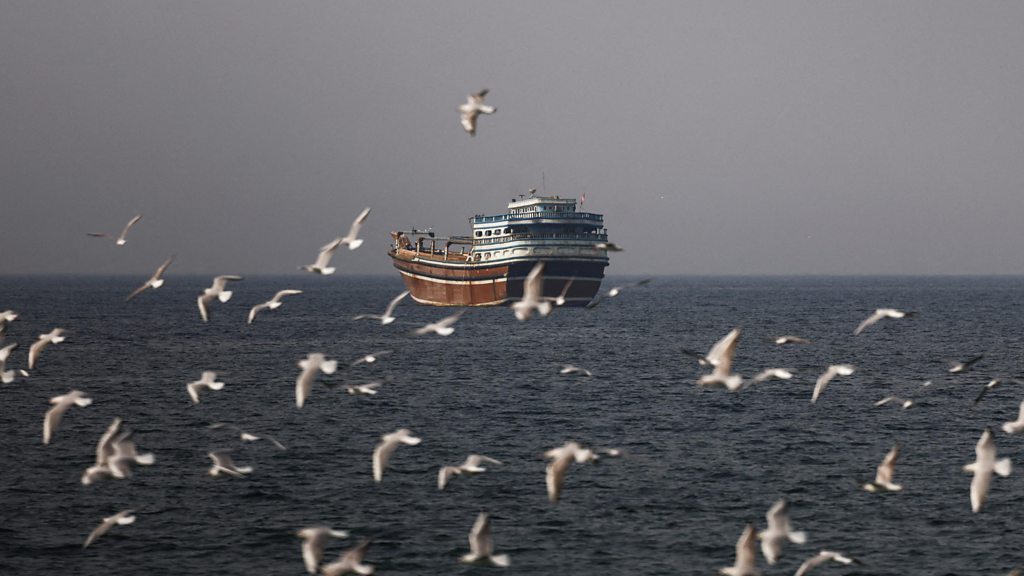
Iran’s primary security authority has stated that the Strait of Hormuz will remain closed until the United States agrees to meet six specific demands set forth by Tehran. These demands include the relaxation of sanctions, compensation for damages caused during conflicts, and the lifting of the blockade on Iranian ports. Despite this strong stance, both Iran and Oman have characterized their recent discussions regarding the navigation of the crucial waterway as “positive and constructive,” indicating a willingness to engage in dialogue.
Demands from Tehran
Tehran’s six demands revolve primarily around economic and political issues that have strained relations with the U.S. The insistence on easing sanctions reflects Iran’s commitment to stabilize its economy, which has been heavily impacted by international measures. Compensation for war damages highlights Iran’s desire for recognition of the human and economic costs associated with prolonged conflicts. Furthermore, the call to end the blockade of Iranian ports is a crucial aspect that Iran believes is hindering its trade and maritime activities. These demands encapsulate the complexities of the negotiations taking place in the current geopolitical landscape.
Positive Developments in Diplomacy
Despite the tension surrounding the Strait of Hormuz, diplomatic relations between Iran and Oman appear to be progressing. Reports of “positive and constructive” discussions suggest that both nations are keen on finding common ground. As a strategic partner in the region, Oman has historically acted as a mediator between Iran and Western nations. The ongoing dialogue is essential as the Strait of Hormuz is a vital conduit for global oil shipments, and any disruption could have significant implications for international energy markets.
Wider Regional Tensions
In addition to the issues concerning the Strait of Hormuz, other regional tensions are also noteworthy. Reports have emerged accusing Israel of attempting to manipulate archaeology at ancient sites in the West Bank for political gain. This action raises questions about the intersection of culture, heritage, and contemporary geopolitics in the region. Additionally, the ongoing conflict involving Ukraine has prompted discussions about the preservation of traditional folk songs, with artists striving to keep their cultural identity alive amidst turmoil. This juxtaposition of issues illustrates the multifaceted challenges facing the region and beyond.
FIFA’s Statement on Internal Issues
In the realm of sports, FIFA has vocally addressed what it terms a “concerted and ongoing effort” to undermine its president, Gianni Infantino. The governing body’s defiant stance indicates a commitment to unity amidst internal and external pressures. As FIFA continues to navigate controversies, the organization faces increased scrutiny regarding governance and transparency, making it a focal point in global discussions around sport administration.
In summary, the geopolitical landscape surrounding Iran, Oman, and the veritable hotbed of regional tensions continues to evolve. Understanding these dynamics contributes to a clearer perspective on the wider implications for international trade, cultural heritage, and political power structures.