
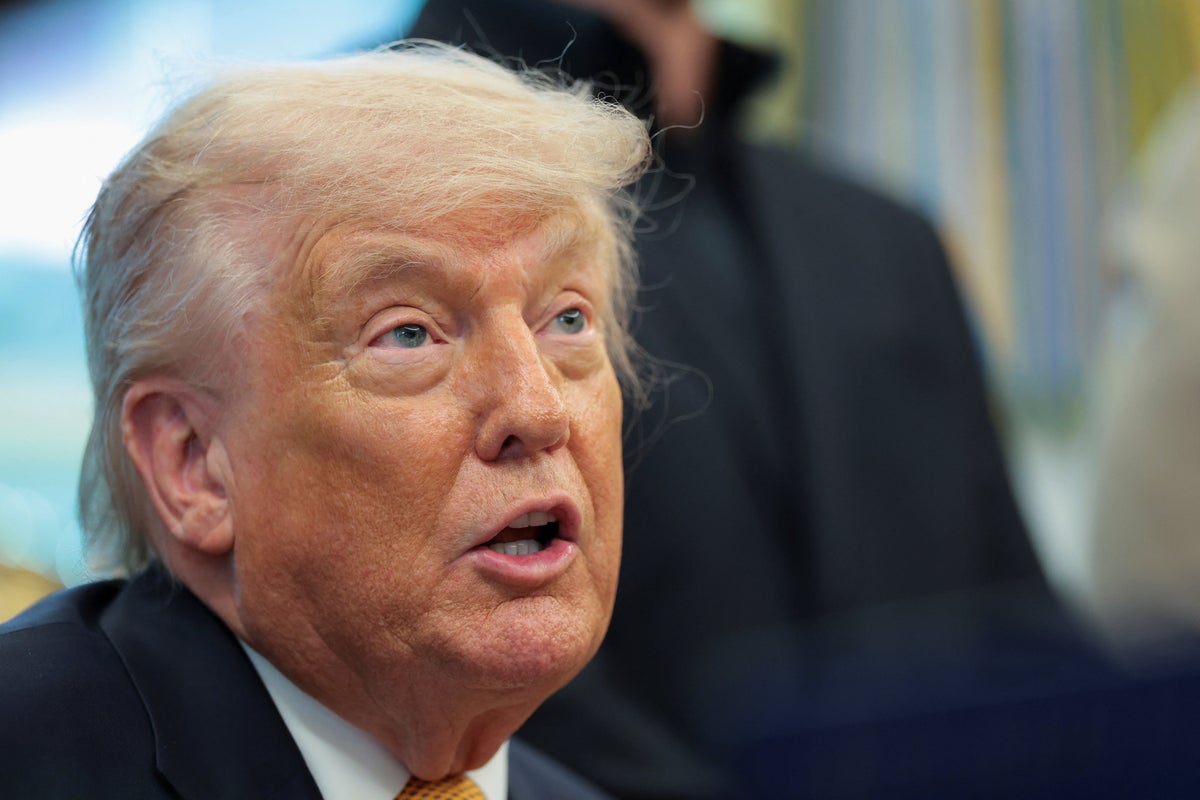
President Donald Trump has recently made headlines by suspending his ambitious “Project Freedom” initiative, just two days after its announcement. This strategic operation, intended to escort ships through the vital Strait of Hormuz, was abruptly halted due to Saudi Arabia’s refusal to grant access to its military facilities and airspace. This unexpected turn of events highlights the complexities of international diplomacy and the challenges faced by the U.S. in negotiation efforts.
Saudi Arabia’s Role in Halting Project Freedom
Reports indicate that the Saudi government expressed strong objections to the operation after its unveiling. According to U.S. sources, Saudi leaders were exceedingly displeased with the announcement and quickly conveyed their unwillingness to allow American aircraft to utilize Prince Sultan Airbase, which is situated southeast of Riyadh. This base is critical for military operations in the region, and Saudi Arabia’s reluctance to cooperate was a significant factor contributing to the suspension of Project Freedom.
The tension escalated further when information emerged that a phone conversation took place between Trump and Saudi Crown Prince Mohammed bin Salman. Despite attempts to reconcile their differences, the two leaders could not find common ground, which in turn forced Trump to withdraw the initiative. This situation underscores the delicate balance of power in the region and the importance of U.S.-Saudi relations.
Challenges in Regional Diplomacy
The abrupt end to Project Freedom also emphasizes the speed at which geopolitical dynamics can shift. A source familiar with the situation remarked that diplomatic discussions, particularly those involving multiple nations, are fluid and can change rapidly. While the United States was reportedly in touch with its regional allies prior to the announcement, this incident has revealed cracks in the communication chain that need to be addressed.
Additionally, a diplomat from Oman mentioned that coordination regarding the operation was lacking, indicating that the U.S. might have jumped the gun in declaring the plan before fully aligning with its partners. This lack of coordination could have detrimental effects on future collaborations and efforts in maintaining regional stability.
The Stakes in the Strait of Hormuz
The Strait of Hormuz is pivotal for global trade, particularly for the oil and gas industries. Since previous conflicts in the region, including U.S. and Israeli actions against Iran, shipping activities have faced increased uncertainty. The strait serves as a critical pathway for approximately 20% of the world’s oil supply, making any disruption not only a regional concern but a global one.
Trump described the project as a “humanitarian effort,” aimed at assisting vessels stranded in the Persian Gulf due to heightened tensions. However, the suspension of the initiative raises questions about the future of U.S. military involvement and humanitarian missions in this strategic waterway. The prospect of using forceful measures against any interference was part of the original plan, highlighting the risks involved in any military engagement.
In summary, the abrupt withdrawal of Project Freedom emphasizes the intricate network of alliances and diplomatic negotiations that characterize U.S. foreign policies in the Middle East. As nations navigate their interests and regional dynamics, the importance of cohesive strategies and strong communication cannot be overstated. Future projects and initiatives may face significant challenges if partners cannot effectively collaborate and create unified responses to pressing global issues in regions like the Strait of Hormuz.