
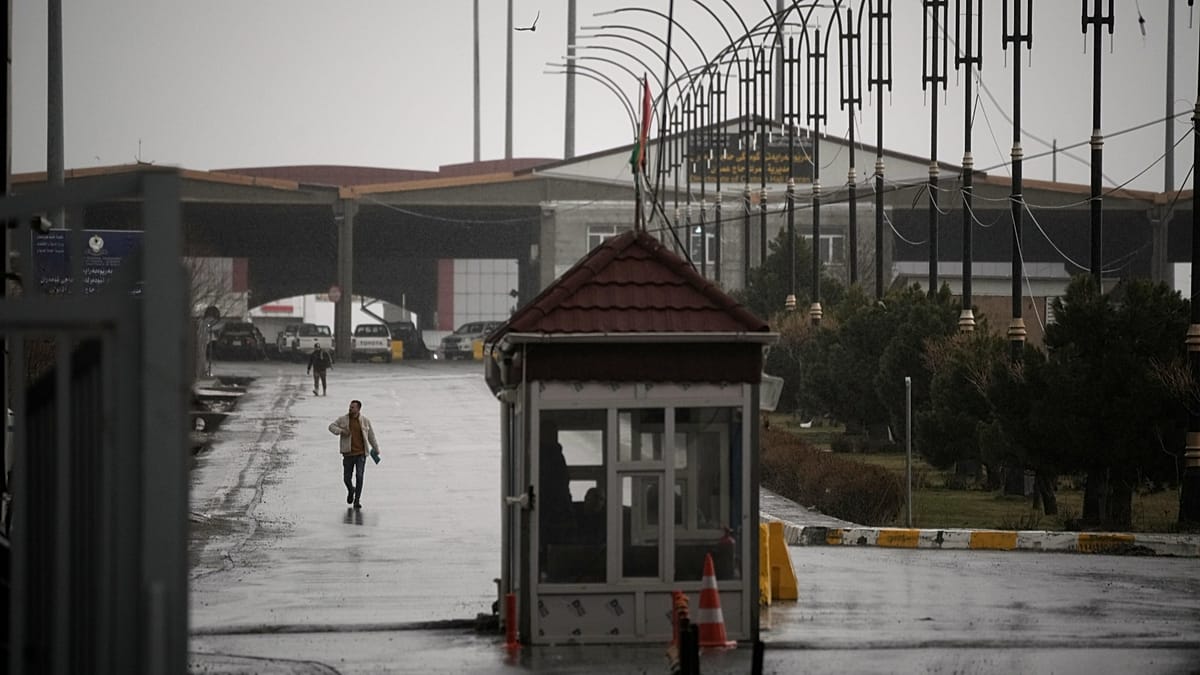
Iranians living in regions close to the border with Iraq’s Kurdistan are resorting to crossing into neighboring territory to access the internet, amid a prolonged blackout that has isolated millions. The Iranian government’s ongoing restrictions, presented as a measure for “security considerations” and to combat “cyber warfare,” have left citizens unable to connect with independent news sources, maintain communication with family abroad, and continue their livelihoods.
The Impact of Internet Restrictions
The internet blackout, initiated by the Iranian authorities, has deeply affected those in border towns such as Baneh, which lies just 30 kilometers from Iraq. Residents like one anonymous individual have expressed their frustrations, noting how the communication breakdown has created uncertainty during tumultuous times. “After the war started, the internet in Iran was completely shut down, and practically no communication existed between inside and outside the country,” stated a Baneh local.
Economically vital sectors, such as trade, have been particularly hard-hit. Merchants, shopkeepers, and other residents depend heavily on internet access to maintain their businesses, leading many to seek alternative SIM cards from Iraq. This move has become vital for communication and transaction purposes, allowing them to stay connected with customers and family members overseas.
Innovative Solutions: Cross-Border Connectivity
One noteworthy adaptation among border residents has been the acquisition of Iraqi mobile network SIM cards from providers like Korek and Asiacell, which boast coverage in specific areas of Iran. Residents have reported that as they approach the border, the connection improves, thus creating a lifeline for those looking to access information. “Many people would go to an area about 3 to 4 kilometers outside the city of Baneh, where reception is better, enabling internet connection,” a local explained.
In response to the growing demand for stable internet access, makeshift internet points emerged near the border. These establishments provided hourly internet access for a fee, utilizing mobile data from local SIM cards. However, the authorities responded swiftly by launching raids that resulted in over 50 arrests, creating an environment of fear amongst those seeking connectivity. Individuals apprehended faced scrutiny, with their devices thoroughly searched for any signs of unauthorized internet usage.
The Cost of Internet Access
In recent months, only a select few Iranians could access the global internet through costly or banned means. Those lucky enough to hold a business license can register for what the government terms “pro internet,” though the expense of approximately 2.8 million tomans—around €15—makes it unattainable for many. Workers earning a monthly salary of less than 20 million tomans (€110) often find these costs exorbitant.
Some privileged individuals, like journalists, have a certain level of access; however, many choose not to utilize it due to concerns over surveillance. As prices for VPNs increased during the initial blackout, they have since normalized, though the use of Starlink devices poses risks, with reports of individuals facing prosecution, including a recent case where a businessman died in custody.
Overall, as conditions fluctuate at the borders, many remain reliant on Iran’s domestic “national internet,” holding out hope for the relaxation of restrictions. The economic ramifications of the blackout have been significant, with estimates indicating losses of $30 to $40 million daily to Iran’s economy, severely affecting the middle and lower classes who depend on stable digital communications for their work.