
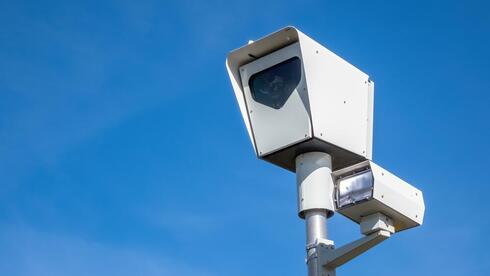
Israeli motorists may soon face more stringent penalties for speeding, even if they exceed the limit by just a few kilometers per hour. This development results from a significant crackdown on speed-camera enforcement, a move that has generated considerable backlash from both the public and legal experts.
New Speed Enforcement Measures
The Israeli Traffic Police have announced a noteworthy reduction in the enforcement thresholds for specific fixed cameras on roads considered particularly hazardous. This adjustment aligns with a broader reform that transitions various traffic offenses from the criminal justice system to an administrative framework. Advocates argue that this change is crucial for enhancing road safety, while detractors raise concerns over the potential to impose excessive fines and complicate the legal process for challenging infractions.
Critics warn that the strict enforcement could lead to a surge in fines and license suspensions, arguing that the changes harm drivers’ rights to contest penalties in court. Allegations have emerged that the revised policy is financially motivated, yet law enforcement officials, including Chief Superintendent Shimi Marciano, have clarified that not a single shekel from these fines benefits the police. He stated, “Take your foot off the gas, and you won’t get tickets.”
Stricter Speed Limits and Legal Implications
Under the new regulations, the margin over the speed limit before a camera activates has been significantly narrowed. For instance, on roads where the speed limit is set at 70 km/h, tickets may now be issued for speeds as low as 75 km/h instead of the previous threshold of 85 km/h. This shift in policy has implications that go beyond mere monetary fines; it also alters how drivers can contest violations. Many motorists will now need to submit written objections to an administrative tribunal rather than appearing in traffic court.
Legal experts have already begun challenging these reforms in Israel’s High Court of Justice. Attorney Eilon Oron, who specializes in traffic law, has lodged a petition against the amendments, arguing they could lead to widespread and unjustified license suspensions. He warns that this could overwhelm the court system and adversely affect the rights of drivers, as decisions will often be made without proper examination of evidence.
Public Response and Road Safety Considerations
The reforms have sparked a divided response within the public sphere. While organizations like Or Yarok (Green Light) support tougher enforcement as a means to reduce road accidents, they emphasize the need for public education regarding the changes. They argue that speed cameras should be strategically placed in areas with a known correlation between excessive speed and accidents.
The police highlight that the ultimate goal of these changes is solely to enhance road safety, not to generate revenue. Chief Superintendent Marciano insists that compliance with speed limits is a shared responsibility among drivers, indicating that the focus should be on ensuring safety for all. He aims for the new system to encourage behavioral change among drivers, reducing instances of reckless speeding that endanger lives.
In summary, Israel’s initiative to tighten speed enforcement signals a transformative approach to road safety and traffic violations. While the intention is to minimize accidents and enhance public safety, the reception of these changes remains mixed, with concerns over their implementation and impact on drivers’ rights. The effectiveness of this overhaul will depend on transparent policies and a balanced approach to enforcement.