
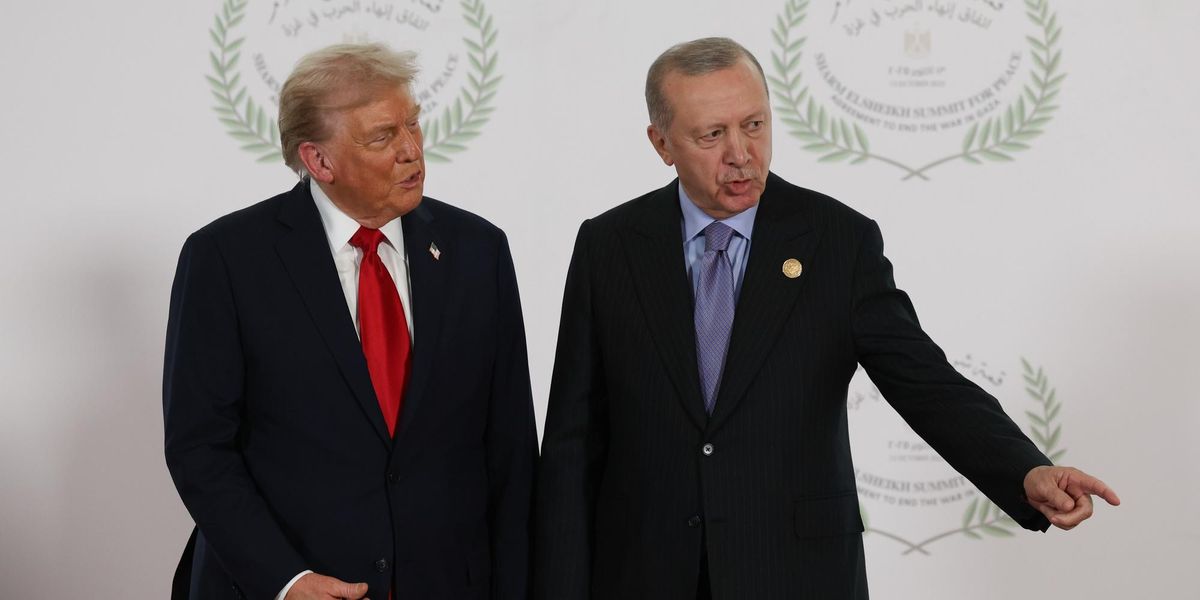
In recent discussions, Washington is actively reconsidering Turkey’s reintegration into the F-35 program after years of estrangement. President Donald Trump, during a NATO summit in Ankara, indicated a willingness to lift the CAATSA sanctions previously imposed on Turkey following its acquisition of Russian S-400 missile defense systems in 2019. This potential restoration of access to the F-35 program—previously halted—marks a significant shift in U.S.-Turkey relations.
Turkey’s Defense Negotiations and American Support
An essential aspect of this evolving dynamic is the progress of a U.S. sale of American engines for Turkey’s indigenous KAAN fighter jet, which has successfully navigated congressional scrutiny. Moreover, reports suggest Ankara is contemplating transferring its S-400 batteries to a Gulf state, a long-standing request from Washington. Yet, resistance to Turkey’s F-35 participation now comes not only from the U.S. but also from Israel, which argues that the inclusion of Turkish F-35s would upset the regional balance of power, a concept deeply rooted in the idea of Israel’s qualitative military edge in accordance with U.S. law.
Interestingly, there have been no formal restrictions placed on arms sales to Turkey despite its NATO ally status. The ongoing negotiations serve as a litmus test for whether Israel’s concerns can influence U.S. policy toward a traditional ally within the NATO framework.
Background: How Turkey Was Excluded
Turkey’s decade-long quest for a sophisticated air defense system reached a turning point after it turned to Russia, following a failed Patriots sale during the Obama administration. The turning point came after Turkey downed a Russian jet in 2015, highlighting its geopolitical isolation. As American and German Patriot missile batteries were withdrawn amid growing threats, Turkey felt increasingly exposed.
The failed coup attempt in July 2016 deepened mistrust between the U.S. and Turkey, with Turkish officials accusing Fethullah Gülen—who resided in the U.S.—of orchestrating the coup. This politicized rupture set the stage for Turkey to solidify defense ties with Russia, presenting the S-400 purchase as a necessity for security.
Israel’s Reservations and Regional Dynamics
Israel’s strong opposition to Turkey’s potential access to the F-35 is underscored by Prime Minister Netanyahu’s assertions that doing so would “destroy the balance of power.” This positioning aligns with Israel’s longstanding strategy to maintain regional superiority, operating a fleet of F-35s and negotiating agreements for more advanced aircraft. Ankara’s return to the F-35 program would not eliminate Israel’s advantage but would slightly level the field.
However, the Israeli critique also draws scrutiny for its apparent hypocrisy. While Netanyahu claims Turkish F-35s would signal aggression, Israel itself has conducted military operations in multiple neighboring countries. This inconsistent stance is perceived in Turkey as an attempt to frame Israel’s own military ambitions as self-defense while restricting Turkey’s capability to strengthen its air force.
In conclusion, the future of Turkey’s F-35 participation hinges on a complex interplay of U.S. foreign policy, Israeli concerns about regional stability, and Turkey’s strategic aspirations. The ongoing dialogue may signal a thawing of relations, but the resolution of these national interests will require careful navigation to avoid exacerbating regional tensions. Ultimately, the U.S.’s willingness to support Turkey as a NATO ally stands at the crossroads of geopolitics, military strategy, and longstanding partnerships.