
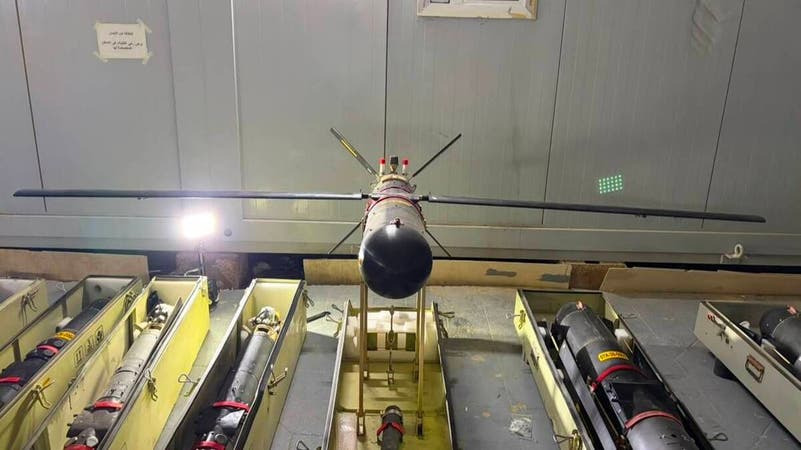
Iraq has recently made headlines following the revelation of a conspiracy involving a pro-Iranian militant group aimed at executing an attack on Saudi Arabia with Shahed-107 drones. This alarming situation highlights ongoing regional tensions as various factions develop increasingly advanced aerial capabilities.
The Discovery of the Drone Plot
Authorities in Iraq apprehended several members of the militant cell, suspected of orchestrating this drone strike operation. The Shahed-107 drone, known for its precision and destructive capacity, has been increasingly linked to Iran-backed groups. The involvement of such technology emphasizes the strategic threat posed by these militant organizations, not only to Saudi Arabia but also to the broader Middle East.
Documents uncovered during the arrest revealed detailed plans outlining the targeted objectives within Saudi Arabia. These revelations underscore the necessity for regional and global security forces to address emerging threats from advanced weaponry utilized by non-state actors. Experts suggest that the acquisition and deployment of such drones represent a significant evolving risk that could destabilize the region further.
Wider Implications for Regional Security
The implications of this incident raise serious concerns about the ongoing power struggles in the Middle East. Saudi Arabia has long been a primary adversary of Iran, and the potential for drone attacks only exacerbates existing tensions. With heightened military capabilities, the situation risks escalating into greater conflicts that could involve multiple parties, endangering civilian lives.
Moreover, this incident serves as a stark reminder of the continuous need for international cooperation in monitoring and combating militia activities. Security analysts emphasize that partnerships among Gulf nations and global powers are vital for preemptively neutralizing threats posed by advanced drone technology in the hands of militants.
Response from Saudi Arabia and Iraq
In response to the plot, both Saudi and Iraqi officials have expressed their commitment to enhancing security measures. They are likely to collaborate closely to fortify borders and increase surveillance operations in vulnerable areas. The Saudia military has already begun to bolster its defenses against potential drone threats, ensuring rapid response capabilities in the event of an attack.
While the threat from pro-Iranian militias demonstrates increasing sophistication, it also presents an opportunity for regional powers to unite against common adversaries. The incident has motivated discussions surrounding arms control and the importance of deterring drone warfare through shared intelligence and resource allocation.
The Global Perspective on Drone Warfare
The rising reliance on drone technology by militant groups poses global concerns about future warfare. Militaries around the world are re-evaluating their defensive strategies to counteract this evolving battlefield dynamic. Experts agree that the international community must take these developments seriously, adapting not only military tactics but also policies governing the proliferation of drones.
In conclusion, Iraq’s discovery of a pro-Iranian plot to attack Saudi Arabia using Shahed-107 drones amplifies the urgency to address threats posed by militant groups leveraging advanced technology. The ramifications extend beyond immediate regional tensions, necessitating cooperative solutions to ensure stability and security throughout the Middle East and beyond.