
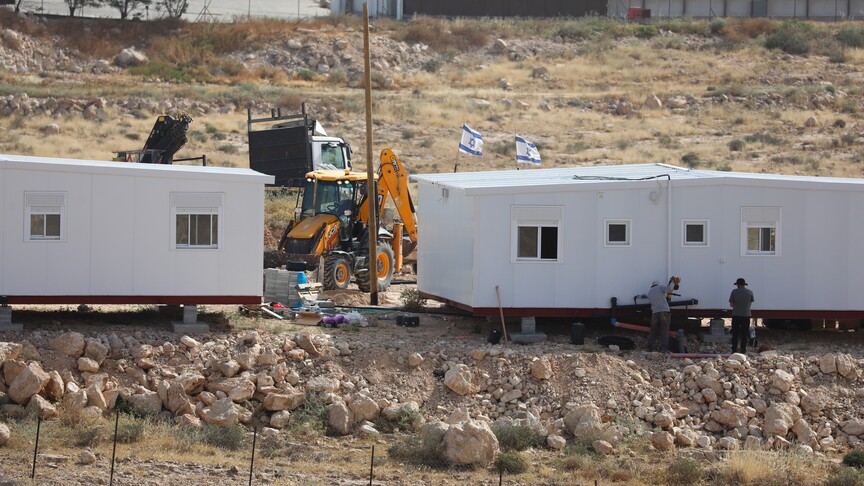
Israel is moving forward with plans to establish a new settlement near Jerusalem, a decision the Palestinian Jerusalem Governorate criticized on August 11, 2026. This announcement raises significant concerns about its ramifications for local Palestinian communities.
Details of the Proposed Settlement
The proposed settlement, named “Nofei Rachel,” is set to feature around 650 housing units. According to the Palestinian Jerusalem Governorate, the settlement is planned for an area of approximately 27 dunams (equivalent to 6.7 acres) adjacent to numerous Palestinian homes. This close proximity is likely to intensify existing tensions in the area, as the regional population is already dealing with the pressures of urban expansion and displacement.
Impact on Palestinian Communities
Local officials argue that the construction of Nofei Rachel will have far-reaching effects beyond the mere addition of new housing units. The governorate highlighted that such developments are not isolated; they can alter the daily lives of Palestinians significantly. The presence of a new settlement threatens to restrict Palestinian movement and access to essential services, perpetuating a cycle of marginalization. In essence, the establishment of Nofei Rachel is seen as part of a broader strategy by Israel, aimed at diminishing the Palestinian population’s presence and hindering their urban development.
Israeli Settlement Policies Under Scrutiny
The governorate asserts that plans like Nofei Rachel are emblematic of a comprehensive settlement policy aimed at creating new realities on the ground, which tend to favor Israeli expansion while restricting Palestinian growth. This ongoing trend raises alarms regarding the viability of a two-state solution, which is often promoted as the preferred resolution to ongoing conflicts. Reports from the Israeli rights organization Ir Amim indicate that three major settlement projects have been greenlit in East Jerusalem in recent weeks, totaling over 3,400 housing units. Such developments not only complicate peace negotiations but also lead to increased international condemnation.
International Response and Legal Standing
Most international bodies, including the United Nations, regard Israeli settlements in occupied Palestinian territories as illegal under international law. This viewpoint is crucial for understanding the political landscape surrounding the Israeli-Palestinian conflict. The existence and expansion of settlements undermine efforts toward establishing a viable two-state solution, a concept supported by many nations. The implications of these settlements resonate beyond local communities, influencing international diplomacy and regional stability.
Overall, the situation reflects the complexities of the Israeli-Palestinian conflict, where settlement expansion not only exacerbates local tensions but also poses significant challenges to peace efforts. With an estimated 500,000 Israelis living in the West Bank and an additional 250,000 in East Jerusalem’s illegal settlements, the question of territorial integrity for Palestinians remains ever-present. As new plans like Nofei Rachel coalesce, the need for a renewed dialogue and effective mediation has never been clearer.