
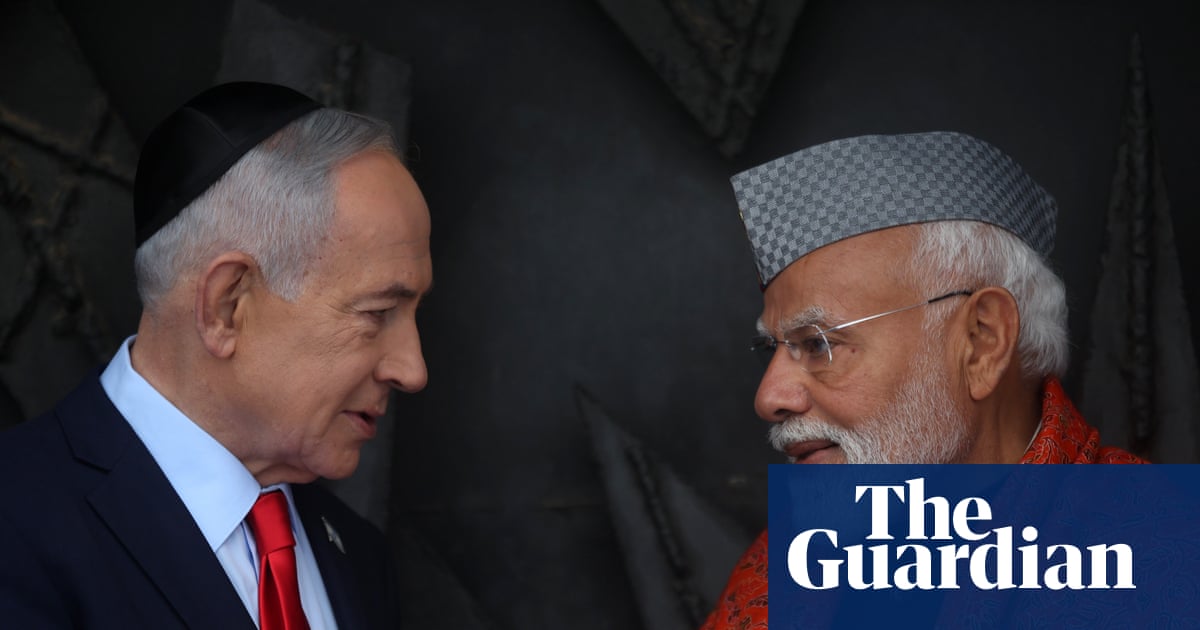
India’s changing dynamics with Israel have sparked considerable interest, particularly in light of recent conflicts in the Middle East. As tensions escalated, India has strengthened its ties with Israel, raising questions about its stance towards a nation that faces significant international backlash due to its military actions in Gaza, which have resulted in extensive civilian suffering.
A Shift in Foreign Policy
Under Prime Minister Narendra Modi’s leadership, India’s relationship with Israel has transformed dramatically. Traditionally, India was seen as a staunch supporter of the Palestinian cause and played a pivotal role in the Non-Aligned Movement. However, recent developments indicate a strategic pivot. Indian foreign policy expert Stanly Johny notes that this shift transcends mere diplomatic relations, marking a new phase of cooperation at strategic and defense levels.
The findings of a recent Amnesty International report highlight India’s rising involvement in Israel’s military supply chain. Instead of solely being a consumer of Israeli arms, India has now evolved into a crucial contributor, participating in joint ventures and technology transfers. This signifies a fundamental shift where India is not just buying military hardware but actively participating in its production, helping facilitate Israel’s military efforts, especially amid the continuing crisis in Gaza.
Weapon Exports and India’s Role
Amnesty’s report detailed extensive shipments of weapon components from Indian manufacturers to Israeli military suppliers. For instance, between October 2023 and November 2025, India provided large quantities of small arms parts and other military equipment. This raised serious ethical questions, particularly as Western nations have imposed restrictions on arms supplies to Israel due to potential violations of international humanitarian laws during the conflict.
As international criticism mounts against Israel’s military actions, India’s arms exports position it in a controversial light. Despite the ongoing humanitarian crisis, there’s been a striking lack of public dissent in India regarding the government’s arms dealings. Johny attributes this to a strong ideological alignment among Modi’s constituency, where right-wing factions increasingly regard Israel as a stabilizing force against radical Islam.
The Impact on Public Opinion and Bilateral Relations
Hindu nationalists historically admire Israel as a nationalist state. This admiration has solidified under Modi’s government, and even amid the violence in Gaza, public support for Israel remains relatively strong. A Pew Research survey highlighted that more Indians hold favorable views of Israel compared to those with negative opinions, contrasting sharply with declining support in many Western nations.
Modi’s relationship with Netanyahu exemplifies this closeness, evidenced by Modi’s direct visits and endorsements. However, the Indian government remains secretive about its military transactions. When pressed in Parliament, External Affairs Minister S. Jaishankar sidestepped detailed replies, asserting that such matters are tied to national interests and not for public disclosure.
Broader Implications for India
While India is enhancing its defense collaboration with Israel, this alliance could come with its risks. The upheaval resulting from conflicts in the region could jeopardize India’s energy security and economic stability, given the significant Indian diaspora in the Gulf region. Johny emphasizes the need for India to foster a balanced approach in its foreign policy, ensuring its interests are preserved while navigating challenging geopolitical landscapes.
As developments unfold, India’s foreign policy decisions will be closely scrutinized. The ongoing relationship with Israel not only reflects India’s shifting diplomatic priorities but also raises substantive ethical considerations regarding its role in global humanitarian issues. The coming years will be crucial for assessing how India balances strategic alliances with its moral obligations on the world stage.