
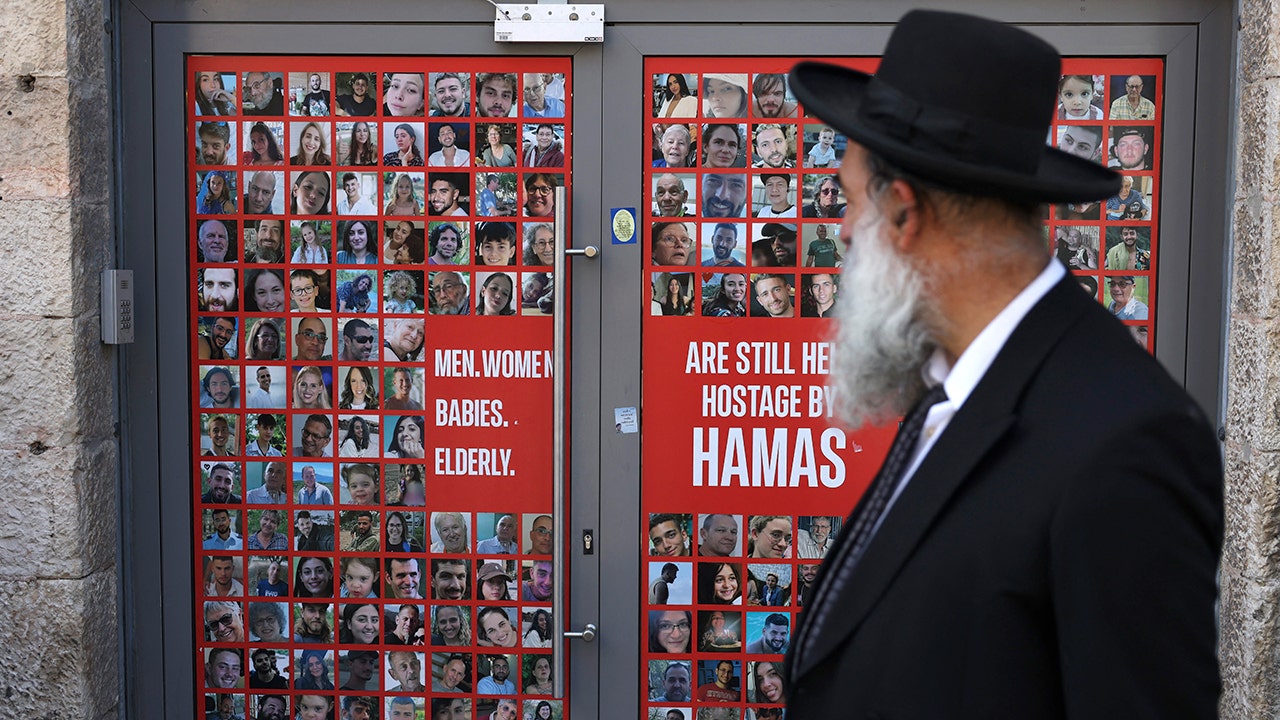
The recent comments made by Megan Romer, a co-chair of the Democratic Socialists of America (DSA), have sparked widespread criticism and controversy, particularly regarding her remarks on the Hamas-led attacks in Israel on October 7. Her assertion that these events were largely “inevitable” has drawn ire, provoking a serious dialogue about the implications of such statements in the current sociopolitical climate.
Controversial Statements on Hamas
In an interview with David Remnick of The New Yorker, Romer expressed her belief that the horrific events of October 7 were somewhat foreseen given the conditions in Gaza. When pressed on whether she would attend a pro-Hamas rally, she indicated that she “probably would have,” signaling her support for the broader cause despite the violence involved. This admission came just one day after the massacre, which left over 1,200 dead and hundreds taken hostage. Critics have taken her comments as an endorsement of violence, which they argue amplifies tensions and breaches ethical norms in discussing such complex issues.
During the conversation, Romer stated, “If you put people in an open-air concentration camp and deprive them of rights, you have to expect that they are going to not take that for that long.” She clarified that her intention was not to excuse the violence inflicted upon civilians but rather to highlight systemic issues leading up to the attacks. However, her rebuttal did little to ease the backlash from pro-Israel organizations and, more broadly, from the Jewish community.
Responses and Reactions
Her comments elicited strong reactions from various quarters. Morton A. Klein, National President of the Zionist Organization of America, responded sharply to her claims, arguing that the situation arose from the election of Hamas, a known terrorist organization. He emphasized that the violence is a direct outcome of Hamas’s policies and the support it receives from other nations, including Iran and Qatar. Klein contends that the pinning of blame on Israel undermines the real and dangerous behavior of the militant group.
Further condemnation came from groups such as the Anti-Defamation League (ADL), which criticized Romer for instigating dangerous rhetoric that could put Jewish communities at risk. The ADL stated that her remarks went beyond political critique and veered into hate speech. They highlighted how her sentiments contribute to a culture that normalizes antisemitism in discourse, representing a significant threat to Jewish Americans.
The Broader Implications
The political climate surrounding Romer’s comments illustrates how discussions about Israel and Palestine have become increasingly polarized. It raises questions about the responsibilities of public figures, especially those holding significant political power. With over 120,000 DSA members and numerous elected officials across the United States, the DSA is no longer a fringe group but rather a body that can influence public policy and sentiment.
Critics, including Rabbi Yaakov Menken of the Coalition for Jewish Values, argue that such rhetoric fosters a view of Israel and Jews that can have dire consequences. The invocation of violence as a response to oppression often overlooks the underlying complexities of geopolitics and the historical context that surrounds the conflict.
As the dialogue continues, it remains clear that nuanced discussions are essential. The comments from Romer not only reflect personal beliefs but also represent a significant moment in contemporary American political discourse. These events underline the need for a more profound understanding of the consequences of language and the importance of responsible public commentary in matters that resonate deeply within communities worldwide.