
Accusations of Arson: Fires in South Lebanon
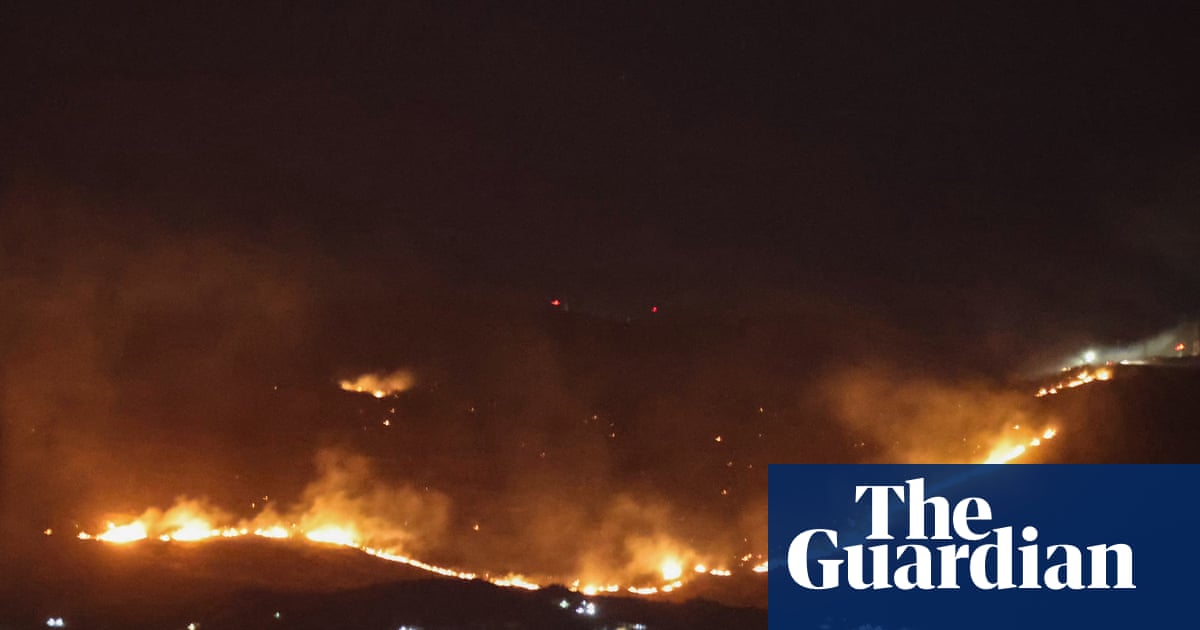
Residents and firefighters in southern Lebanon have voiced serious accusations against the Israeli military, claiming it has intentionally ignited wildfires in their region. These fires, which have devastated wooded areas, are reportedly the result of bombardments and incendiary materials used by the military. Environmental advocates assert that this is part of a broader strategy to target Lebanon’s natural ecosystem.
Impact of Israeli Military Activities
The Israeli military has been under scrutiny for its actions since a ceasefire was established on June 17, which had temporarily halted hostilities between Hezbollah and Israel. During this time, there have been multiple incidents involving the deployment of flares and incendiary munitions in forested areas. For instance, a recent incident involved flare drops in a wooded region near Khiam, leading to blazes that firefighters struggled to suppress. Hussein Fakih, a civil defense official, reported that approximately 30-40% of the land near the frontline has been impacted.
First responders have provided evidence, including videos, showing significant fire outbreaks attributed to Israeli military operations. These incidents have affected not only woodlands but also valuable agricultural spaces, particularly olive groves, which are crucial for the local economy and heritage.
Environmental and Ecological Consequences
Experts from environmental organizations emphasize that the recent fires are not isolated incidents but rather part of a long-standing pattern of attacks against Lebanon’s natural landscape. Hisham Younes, a founder of the Lebanese conservation group Green Southerners, described these acts as “ecocide.” The woodland areas targeted are essential for biodiversity, serving as critical habitats for migratory birds and maintaining ecological balance.
Younes noted that these destructive practices not only threaten existing ecosystems but also jeopardize communities’ livelihoods. The loss of woodland impacts both the environment and residents’ ability to reclaim their land, effectively transforming their territory and heritage.
The Human Toll and Cultural Impact
The human dimension of these events cannot be overlooked. Many residents recount the emotional and financial repercussions stemming from the devastation of their green spaces. The mayor of Yaroun, Hafez Ghasham, shared the heartbreaking story of how the fires consumed ancient olive trees that held significant sentimental and economic value for families in the village. These trees, often passed down through generations, represent more than just natural resources; they embody the cultural legacy of the community.
The destruction inflicted not only erases physical spaces but also threatens the cultural fabric of local communities. Many families are grappling with the loss of their history and identity, as the land that has sustained them for generations becomes increasingly uninhabitable.
Conclusion: A Call for Awareness and Action
As the situation in southern Lebanon evolves, it is crucial for the international community to pay attention to these developments. The alleged military tactics employed to ignite wildfires raise broader questions about environmental justice and the humanitarian implications of conflict. Firefighters continue to battle the flames while civilians face an uncertain future. Awareness and advocacy could potentially lead to action that protects Lebanon’s delicate environment, its heritage, and its people.