
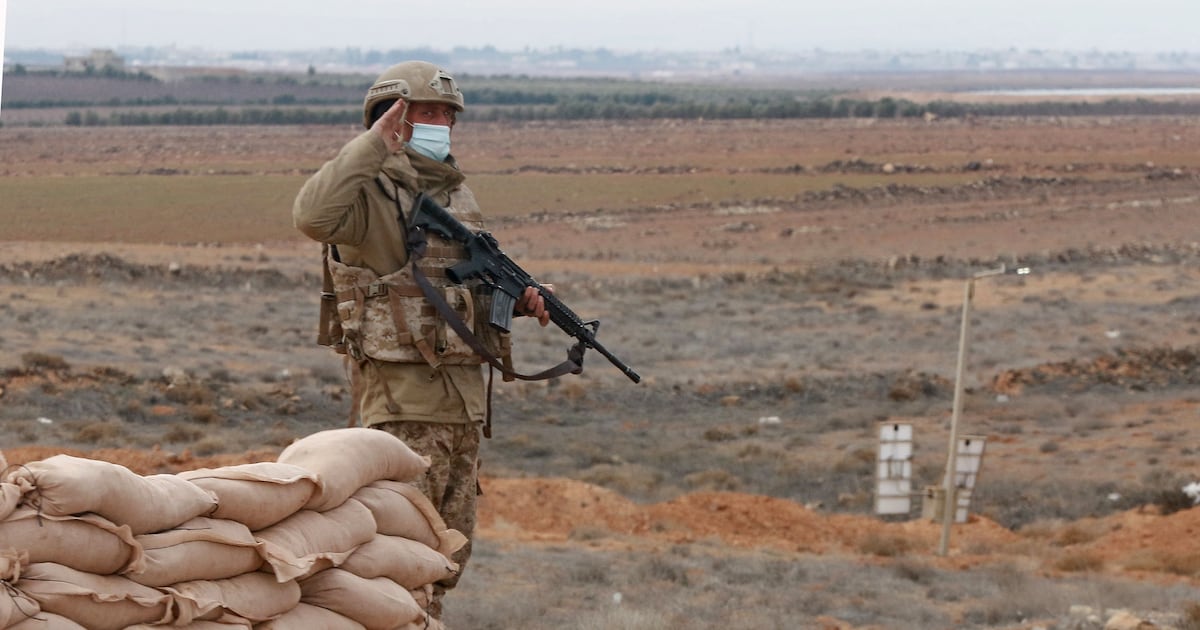
Military representatives from Iraq, Jordan, Syria, and the Kurdistan region of Iraq convened a crucial meeting in Jordan on Tuesday. This high-level gathering focused on enhancing regional security, safeguarding borders, and devising strategies to combat cross-border threats, as reported by Iraq’s Defence Ministry.
Key Military Figures in Attendance
In attendance were prominent military leaders including Iraqi Army Chief of Staff Lt Gen Abdul Yarallah, Jordanian Army Chief Maj Gen Yousef Huneiti, the head of the Syrian armed forces Ali Noureddine Al Naasan, along with the Minister of Peshmerga Affairs and the chief of staff of the Peshmerga. Their collective presence underscored the importance of cooperative security efforts in the region.
The discussions during this meeting centered around crucial aspects of regional security, including border protection and collaborative measures to counter cross-border threats. Officials emphasized the necessity of enhancing military and security cooperation, sharing intelligence and best practices, and improving joint operational capabilities. This dialogue illustrates a commitment to strengthening national sovereignty through coordinated military action.
Acting on Immediate Security Concerns
The participants acknowledged that swift developments in regional dynamics necessitate unified efforts and bolstered joint action among military and security institutions. By emphasizing the critical need for coordination, they aim to address the pressing challenges posed by cross-border threats. Expanding military cooperation and exchanging expertise emerged as vital strategies to augment defensive measures and operational readiness.
During the meeting, Lt Gen Yarallah had discussions with Adm Brad Cooper, the chief of US Central Command, to explore avenues for military collaboration, recent developments in regional security, and joint efforts to ensure stability. These strategic discussions reinforce the understanding that Iraq, Jordan, and Syria must work closely to manage their shared borders, which have long been susceptible to trafficking of weapons and drugs.
Challenges of Cross-Border Smuggling
The nature of cross-border trafficking transformed markedly after the onset of the Syrian civil war in 2011. The weakening of state structures, proliferation of armed groups, and the emergence of informal border crossings have facilitated criminal networks in operating within these poorly monitored areas. As a result, optimizing border security has become increasingly critical for these nations.
Notably, Jordan has reported that it became a significant route for Captagon—a dangerous amphetamine smugged from Syria to Saudi Arabia and other Gulf countries—during the waning years of Bashar Al Assad’s rule. The elevated levels of trafficking not only posed serious security threats but also spurred a large-scale concern due to the lucrative nature of these operations.
However, Jordanian authorities have indicated that the fall of Al Assad in late 2024 led to a significant decrease in Captagon flows, attributable to disruptions among networks tied to the former regime and Iran-aligned groups. In parallel, Syrian efforts to tighten border controls have intensified, evidenced by recent seizures of advanced weapon caches near the Iraqi border, allegedly destined for Hezbollah in Lebanon.
The security challenges confronting Syria, Iraq, and Jordan illustrate the pressing need for ongoing collaboration among these nations. With trafficking networks and armed groups continually adapting their methods, a collective approach is essential to safeguarding regional security and stability.