
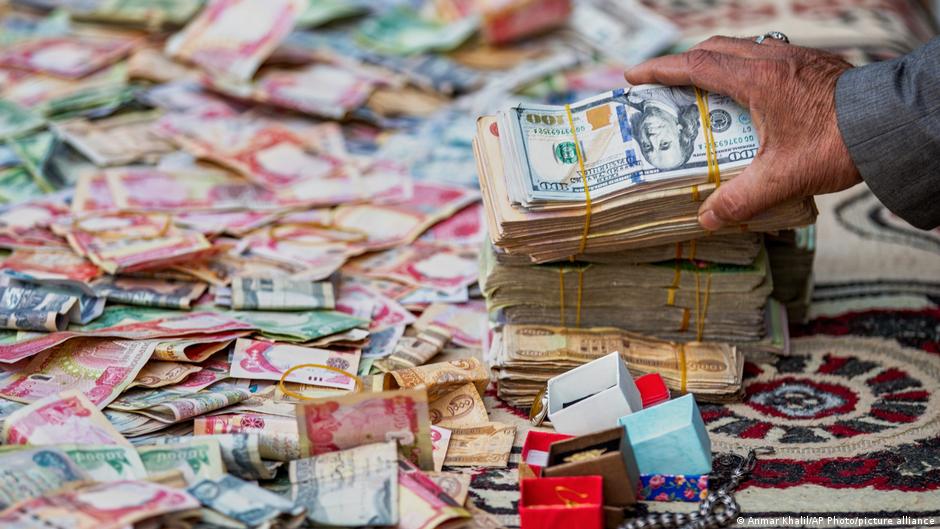
The ongoing geopolitical tension has significantly impacted the livelihoods of ordinary Iraqis, particularly due to the precarious situation surrounding the Strait of Hormuz. The blockade of this critical passage, essential for oil exports, has resulted in consistent payment delays for public sector employees in Iraq, affecting their financial stability and wellbeing.
Impact of the Strait of Hormuz Blockade
For the past few months, many Iraqi workers, including Mahmoud Waleed, a 38-year-old teacher, have faced increasing delays in receiving their salaries. The Iraqi Ministry of Education’s inability to issue timely payments stems from inadequate oil exports via the Strait of Hormuz, leading to a cash crisis within the government. An alarming number of civil servants, which numbers in the thousands, are experiencing financial strain as a direct result of these payment delays.
The situation has caused widespread anxiety among employees. Waleed expressed that the financial uncertainty has forced many families to rethink their budgets and prioritize savings for emergencies. In his own words, the fear of the unknown has settled in deeply. Another civil servant, a doctor named Ahmed from Mosul, mentioned that the latest delay in their salaries lasted over ten days. This revelation underscores the ongoing financial distress and instability in the Iraqi economy.
Understanding the Cash Crisis
The root cause of Iraq’s cash flow problems lies predominantly in its reliance on oil revenues, which account for 85% to 90% of the national budget. With approximately two-thirds of its working population dependent on governmental salaries, the situation grows increasingly dire each month as the government requires between $6.5 billion to $8.2 billion to cover salaries and social services. Yet, due to external factors like the blockade of the Strait of Hormuz, oil exports have plummeted. Recent reports estimated that in March, Iraqi oil exports dropped by nearly 83%, with even more catastrophic figures emerging by May.
This downturn in revenue has severely affected the national income. Reports indicate that Iraq’s earnings during May and June fell between $2 billion and $2.3 billion, starkly insufficient for fulfilling government obligations. As rumors circulate regarding potential changes to the salary payment schedule, the Iraqi government has attempted to reassure its citizens. Statements declaring substantial reserves of $83 billion have been released, assuring that salaries can be met in the short term, although experts remain skeptical about the sustainability of this situation.
Future Predictions and Potential Protests
Despite the turmoil, those interviewed indicated a reluctance to engage in protests over salary delays. Analysts like Hayder al-Shakeri of Chatham House believe immediate instability is unlikely, noting that if delays persist, protests may be sectoral, rather than broad-based like the significant movements witnessed in 2019. Nonetheless, the risk of unrest remains prevalent. Should insufficient salaries coincide with other crises—like electricity shortages or rising inflation—the potential for larger protests may well increase.
Iraq’s government is exploring alternative methods for oil exports to mitigate its dependence on the Strait of Hormuz. These plans include utilizing a Turkish pipeline and reactivating an old oil line to Lebanon. Experts suggest that the long-term solution requires more profound systemic reforms, especially in reducing corruption and promoting a diverse economy that lessens the reliance on oil. However, achieving such reforms requires immediate funding—something that the current crisis suggests is alarmingly limited.
In conclusion, the current hardships faced by Iraqi workers serve as a stark reminder of the interconnectedness of geopolitical tensions and domestic economic stability. Whether these immediate challenges will catalyze meaningful reform or further entrench existing issues remains to be seen, but one thing is clear: the future of Iraq’s economy hangs in the balance.