
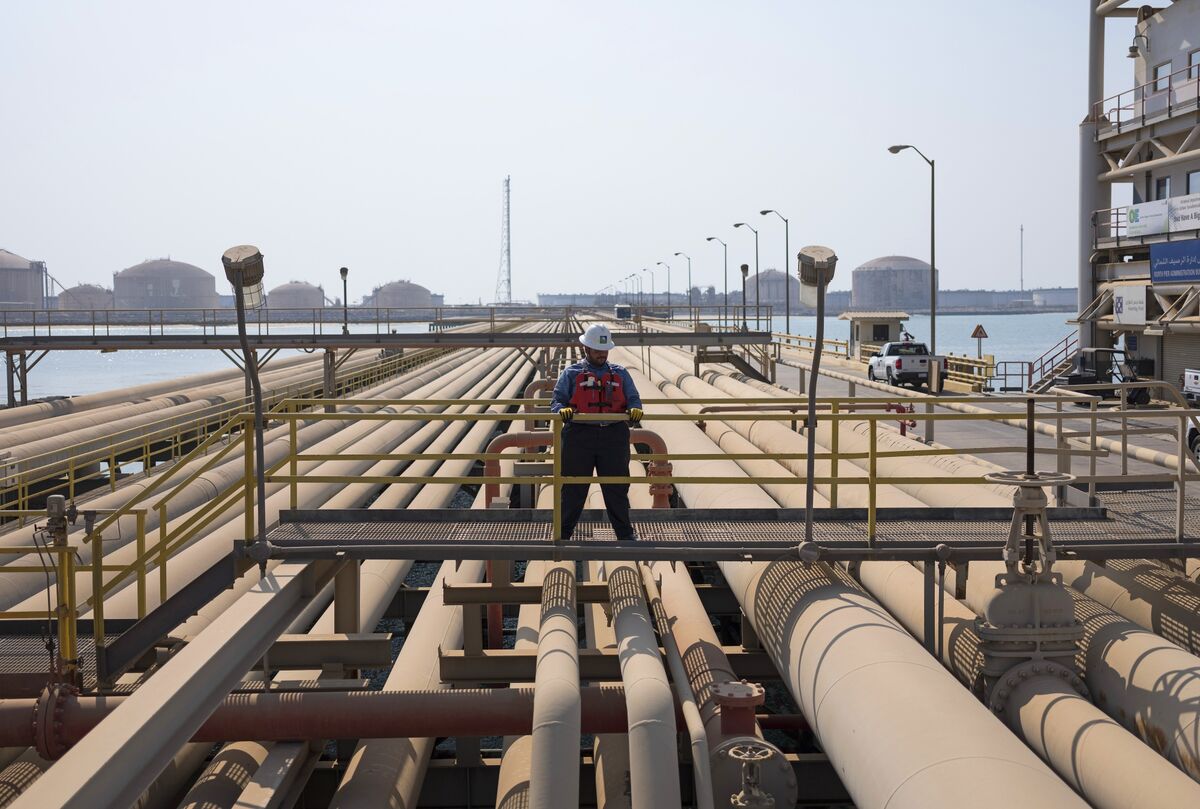
In recent days, a notable sight has emerged: a supertanker docked at Saudi Arabia’s primary oil export terminal in the Persian Gulf. This marks the first appearance of such a vessel in nearly a month. Amidst rising tensions and concerns surrounding the security of oil shipments, Saudi Arabia is determined to sustain its export operations, especially after threats have expanded to include the Red Sea.
Recent Developments in Global Oil Exports
The international oil market is currently experiencing significant fluctuations due to geopolitical factors. Major oil-exporting nations, particularly Saudi Arabia, are under pressure to ensure consistent delivery amid growing threats. With the Red Sea becoming a new front for potential disruptions, the sighting of a supertanker at the Persian Gulf terminal demonstrates Saudi Arabia’s commitment to maintaining its oil supply chain. This situation not only affects Saudi Arabia’s economy but also has far-reaching implications for global oil prices and supply stability.
The Importance of the Persian Gulf and Red Sea Routes
The Persian Gulf and the Red Sea are vital maritime routes for oil shipments. Combined, they facilitate a substantial percentage of the world’s oil trade. Any disruptions in these areas can lead to significant price increases and create uncertainties in the market. The presence of a supertanker at the Persian Gulf terminal signals a proactive approach by Saudi Arabia to mitigate risks associated with these key shipping lanes. As tensions escalate, ensuring safe passage for these vessels becomes increasingly critical for the country’s economic stability and the global energy supply.
Implications for Global Oil Prices
With developments in the Middle East, the oil market is on high alert. Oil prices are often sensitive to geopolitical tensions. As news of threats to shipping routes emerges, crude oil prices can escalate in response to perceived risks. By maintaining shipments from the Persian Gulf, Saudi Arabia aims to reassure global markets that it remains a reliable supplier. This steadfast approach could help stabilize prices in the face of international uncertainties, making it essential for both local economies and global markets.
(h2>The Role of Geopolitical Factors
Geopolitical tensions play a pivotal role in influencing the dynamics of oil trade. The ongoing situation in the Middle East has led to apprehension among traders and investors about potential disruptions. The Saudi government’s efforts to keep its oil supply chain intact, particularly through the Persian Gulf, is a strategic move aimed at alleviating concerns and maintaining market confidence. As we navigate through these challenges, the importance of stable oil exports cannot be overstated; they are crucial for the health of the global economy.
In conclusion, the recent appearance of a supertanker at Saudi Arabia’s oil terminal highlights the kingdom’s commitment to safeguarding its exports amidst growing threats. As the geopolitical landscape shifts and tensions rise, the focus on maintaining a steady flow of oil remains at the forefront of concerns. The consequences of these developments will undoubtedly reverberate throughout the global oil market, emphasizing the need for vigilance and adaptability in the face of uncertainty.