
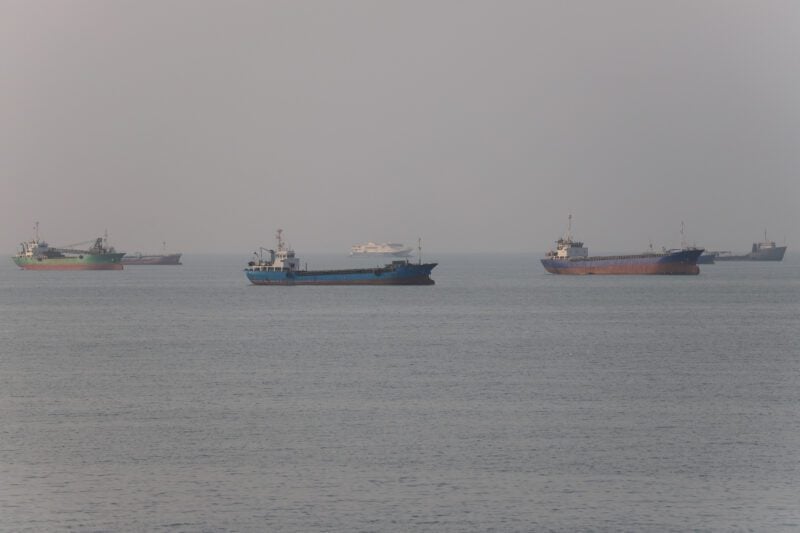
Abu Dhabi National Oil Company (ADNOC) is taking significant steps in the oil trade, particularly focusing on transporting Iraqi crude through the Strait of Hormuz. This move comes as ADNOC has adopted innovative tactics to navigate ongoing regional tensions, and the company is now offering this service to Asian refiners.
Innovative Oil Transport Strategies
ADNOC, recognized as the most efficient oil producer in the Persian Gulf, has been utilizing a strategy known as “shuttling.” This method involves vessels making short trips, often deactivating their transponders to evade detection. Typically, the cargoes are transferred to other ships just outside the Gulf, thus enhancing the company’s ability to export oil from the region while minimizing risks associated with unrest. In recent days, ADNOC has extended its offers of spot cargoes to Asian buyers, specifically targeting Iraqi crude to reach refiners in countries like India and beyond.
Impact of ADNOC’s Offers on Iraqi Oil Exports
Traditionally, companies like Vitol Group and TotalEnergies SE have dominated the transportation of Iraqi oil. However, ADNOC’s involvement may be changing the landscape. It appears to have already influenced Iraqi exports, as the country’s Oil Marketing Company (SOMO) reported a surge in crude shipments to approximately 2 million barrels per day. This figure indicates a notable rise compared to the previous estimate of 1.5 to 1.7 million barrels per day. While ADNOC refrains from commenting on commercial operations publicly, the implications of its offerings could transform the dynamics of oil trading in the region.
Tensions and Negotiations in the Region
The geopolitical landscape remains complicated, as both the United States and Iran have tightened their positions on the negotiations surrounding the Strait of Hormuz. Despite ongoing discussions, the situation is precarious, with reports of attacks on ADNOC tankers during recent transit phases. This volatile environment has compelled traders to slow their offers, further complicating the oil exchange within the region. Iraqi exports have primarily relied on external carriers, a strategy SOMO’s chief recently highlighted, as they navigate the intricate web of international trade.
The Future of Oil Exports Through the Strait of Hormuz
Iraq’s shift towards utilizing ADNOC’s shuttling services reflects a wider adaptation to the complex realities of oil exports in a turbulent geopolitical climate. While SOMO has been discounting its oil prices considerably—up to $30 below benchmark rates for certain volumes—the collaboration with ADNOC may provide a much-needed boost amid rising tensions. With ADNOC’s extensive fleet, bolstered by partnerships with major maritime operators, this collaboration suggests a strategic pivot for both ADNOC and Iraq in ensuring stable access to global markets.
Overall, ADNOC’s innovative approach to transporting Iraqi oil through the Strait of Hormuz not only demonstrates its leadership in navigating current challenges but may also redefine how oil trading is conducted in the region. As developments continue to unfold, the collaboration between ADNOC and Iraq could open new opportunities, despite the ongoing tensions that characterize this critical maritime route.