
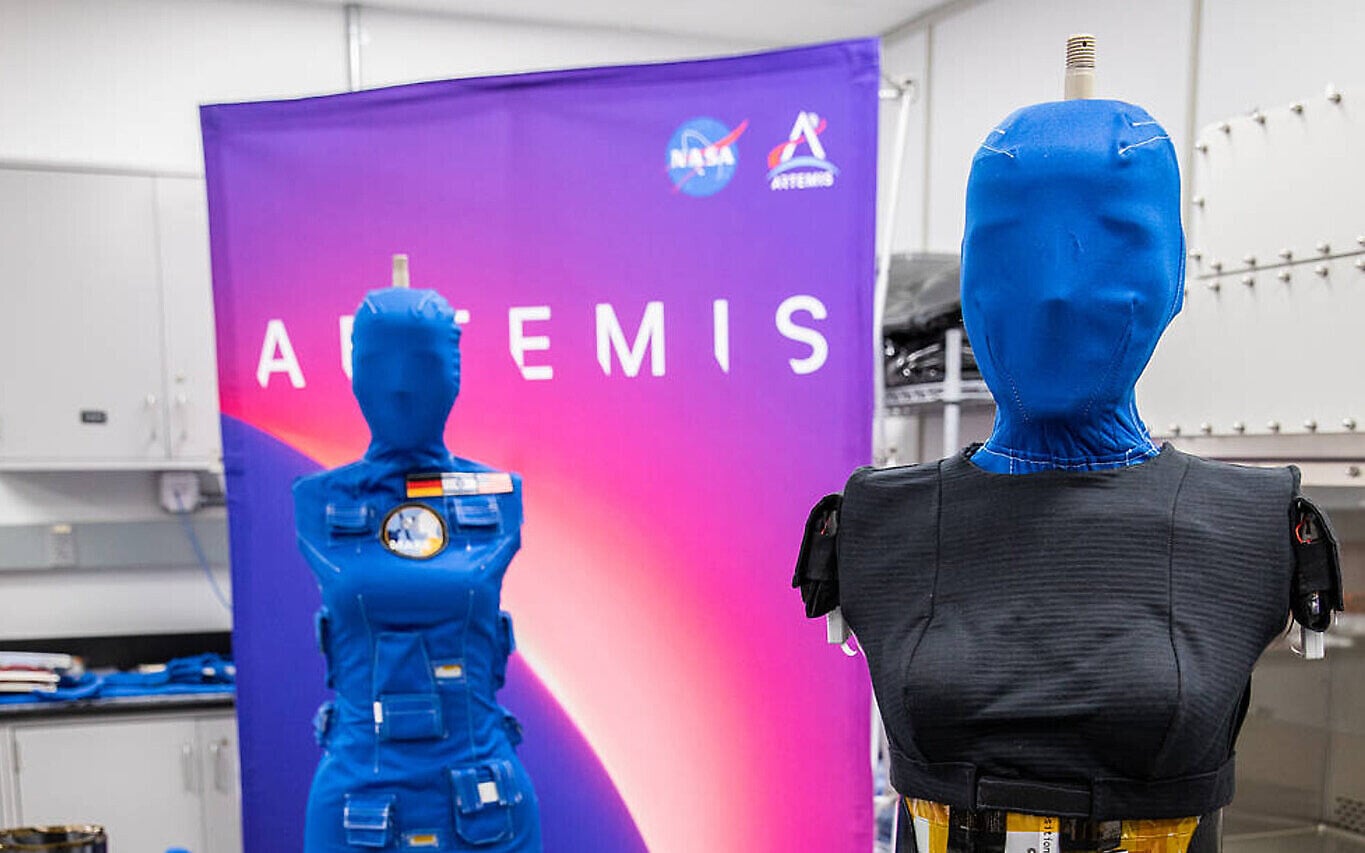
A recent study indicates that a protective vest designed to shield lunar astronauts from harmful radiation during intense solar storms was successfully tested during NASA’s Artemis I mission. This innovative vest could significantly decrease the radiation exposure faced by astronauts while exploring the moon and beyond.
The Importance of Radiation Protection for Astronauts
Radiation poses one of the most substantial hazards to astronauts, especially for missions involving long-duration stays on the lunar surface. As NASA plans to establish a base on the moon, the need for effective radiation shielding becomes increasingly critical. During solar storms, the risks intensify, potentially jeopardizing the health of lunar crews. Researchers from the U.S., Germany, and Israel reported in the journal *Science Advances* that their findings show the protective vest can offer considerable safety to astronauts, enabling them to venture outside their shelters when necessary.
Testing and Features of the AstroRad Vest
The vest, weighing around 57 pounds (26 kilograms), was tested on a female manikin named Zohar during the Artemis I mission, which took place in 2022 without any human crew aboard. A prototype of this vest had been tested successfully aboard the International Space Station prior to its lunar assignment. The vest was initially designed to be worn during periods of elevated radiation exposure, targeting vulnerable organs like the lungs, stomach, and reproductive tissues, particularly because women may have increased susceptibility to radiation-induced cancers.
During the Artemis I mission, Zohar, along with another manikin named Helga, provided an extensive dataset for researchers assessing radiation exposure beyond Earth’s protective atmosphere. Although Artemis I did not encounter significant solar outbursts, the data collected allowed scientists to simulate possible protection scenarios from extreme solar events, such as those experienced in 1972 and 1989, which had severe effects on electronic systems on Earth.
Impact of Findings on Future Missions
The results from this study indicate that the vest could diminish an astronaut’s radiation dose by approximately 60% during a solar event similar to the one in 1972 and by nearly 40% during a similar event in 1989. This is substantial, equating to reducing unnecessary exposure by 193 and 131 days, respectively, during deep-space travel. Given that NASA’s Apollo missions were limited to a duration of two weeks, future missions to the moon or even Mars, which could last several months to years, require sustained safety measures against radiation.
As the Artemis program prepares for its upcoming missions, the importance of such protective gear cannot be overstated. The researchers are actively working on optimizing the vest’s design, seeking to reduce its weight while maintaining its protective capabilities. They are also exploring the potential for utilizing materials already aboard a spacecraft, a recycling approach that could offer additional safety to astronauts.
The implications of this technology extend beyond the moon, paving the way for interplanetary exploration. With initiatives like SpaceX aiming for human settlement on Mars, the findings from the Artemis I mission represent a significant leap forward in astronaut safety. With less reliance on deep-space tests, scientists believe they have gathered sufficient data to validate the vest’s effectiveness.
In summary, as humanity strides closer to establishing a persistent presence beyond Earth, innovations like the radiation-protective vest will play a crucial role in ensuring astronaut safety during future lunar missions and beyond.