
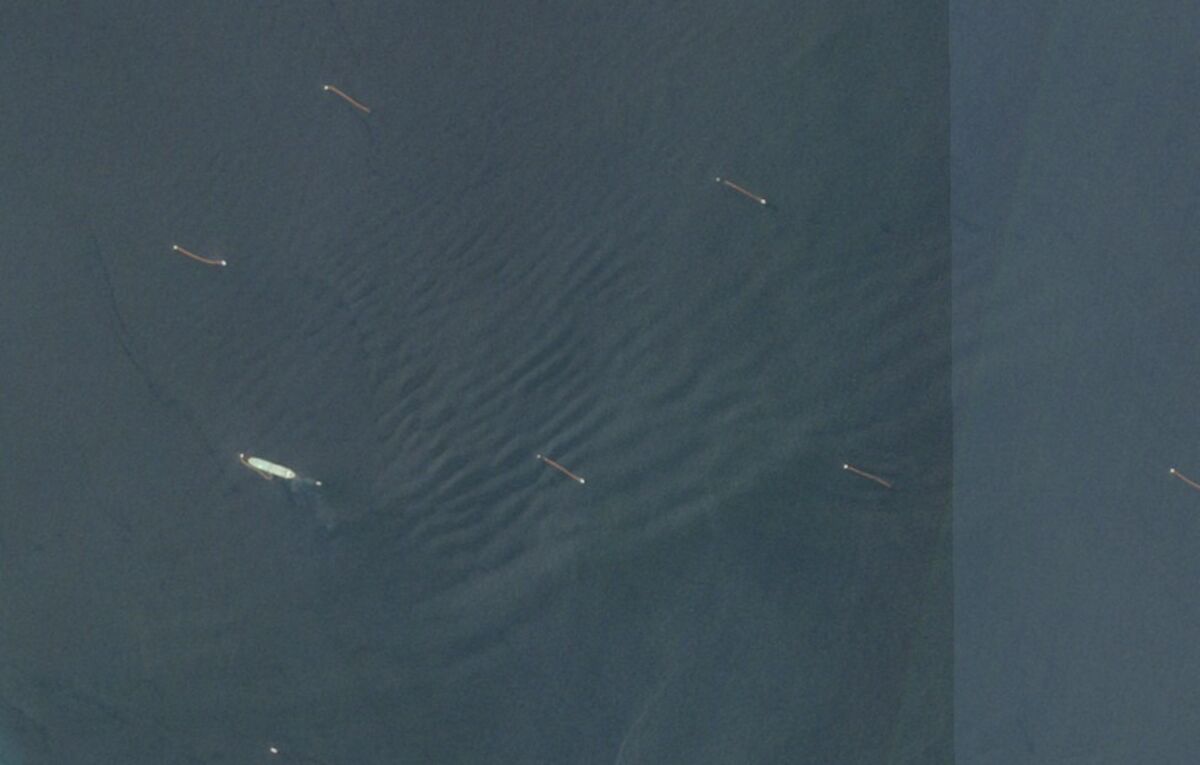
A new development has emerged in the realm of global oil transportation, particularly highlighting Saudi Arabia’s strategic maneuvers in the Persian Gulf. As the geopolitical climate shifts, the significance of oil export routes becomes ever more pronounced. The appearance of a second supertanker at Saudi Arabia’s primary oil export terminal signals an uptick in loading activities, suggesting a potential pivot in shipping practices amid growing threats to alternate routes.
Increased Loading Activity at Oil Export Terminal
The recent sighting of another supertanker at Saudi Arabia’s main oil export hub showcases the kingdom’s proactive approach to securing its oil supply chains. This move may indicate that Saudi Arabia is preparing to ramp up its exports amid rising tensions that threaten alternative shipping options, most notably those passing through the Red Sea. Given the vital role that oil plays in the global economy, any disruption in supply routes can send shockwaves across markets, prompting the nation to prioritize more secure alternatives.
The Persian Gulf has long served as a crucial artery for oil shipments, and the recent uptick in loading activities at this terminal underscores the growing reliance on this route. With geopolitical factors increasingly influencing shipping lanes, loadings at this terminal may begin to rise as exporters seek to mitigate risks associated with the unpredictable nature of alternate routes.
Threats to Red Sea Shipping Routes
The threats to Saudi Arabia’s shipping routes through the Red Sea cannot be overstated. Conflicts in the region, combined with rising tensions among neighboring countries, have created an atmosphere of uncertainty. This risks compelling Saudi exporters to reconsider their usual shipping practices, emphasizing the need for secure and reliable transport options. A strategy centered on the Persian Gulf not only offers more stability but also reduces vulnerability to potential disruptions routed through the Red Sea.
As exporters monitor these developments, they are likely to adapt their logistics strategies accordingly. The choice to utilize the Persian Gulf more frequently for oil shipments could lead to a significant realignment in trade patterns. Importers around the world will need to stay attuned to these changes, as they may directly influence supply chains, prices, and overall market dynamics.
The Economic Implications
The economic implications of these shifts in shipping strategy are significant. A reliable supply of oil is essential for maintaining stability in global markets, and any alterations in shipping routes can have a cascading effect on prices and availability. By reinforcing its commitment to the Persian Gulf for oil export activities, Saudi Arabia may not only stabilize its market position but also influence global oil prices.
Moreover, countries reliant on Saudi oil will need to adjust quickly to these changes, which could alter supply chain economics. The decision to favor the Persian Gulf may serve as both a buffer against regional volatility and a way to maintain competitive pricing in an unpredictable market. The oil landscape is on the brink of transformation, and Saudi Arabia appears poised to lead the way in reaffirming its shipping strategy.
In conclusion, Saudi Arabia’s decision to shift focus back to the Persian Gulf amid threats to Red Sea routes highlights the ever-evolving nature of global oil logistics. As supertankers line up at export terminals, it is clear that maintaining a stable supply of oil continues to be a high priority for the kingdom. The unfolding situation will be closely watched, as it has the potential to reshape trajectories in international oil trade.