
Oil and gas trade faced significant disruptions following a U.S.-Israeli military incursion, intensifying a conflict heavily centered on gaining control over the Strait of Hormuz. This strategic waterway previously facilitated the passage of around 20% of the world’s energy supplies, making its security paramount to global oil markets. The ongoing tensions have resulted in a dramatic decrease in vessel traffic, significantly impacting international trade.
U.S. Control and Iranian Defiance
Former President Trump recently asserted that the U.S. maintains “total control” over the Strait of Hormuz, describing its blockade of Iranian ports as a “wall of steel.” However, the actual maritime activity has dwindled to a mere fraction of normal levels, with only 130-140 ships typically navigating the route during peacetime. Although the U.S. aims to restrict Iranian access, Iranian forces continue to target vessels attempting to cross, indicating a persistent challenge to U.S. dominance in the area.
In a recent incident, a tanker experienced minor damage from a drone attack while navigating the strait, underscoring the escalating risks associated with maritime operations in this vital corridor. Iranian military spokesperson Ebrahim Zolfaghari declared that no ship could transit the Strait of Hormuz without Iran’s explicit authorization. This defiance highlights Iran’s determination to assert its influence in a region critical to global energy flows.
U.S. Military Presence and Strategy
Despite Iran’s aggressive posturing, the U.S. military has remained resolute in maintaining its naval blockade. Defense Secretary Pete Hegseth indicated that the U.S. could sustain its maritime strategy indefinitely, continually rotating ship deployments to ensure a robust presence. The USS George Washington is reportedly heading to replace the USS Abraham Lincoln, which has operated in the Middle East for nearly 250 days without a port call, raising concerns about the morale and well-being of the sailors on board.
The Trump administration seems intent on intensifying its strategy of economic pressure on Iran. Treasury Secretary Scott Bessant hinted at forthcoming announcements regarding unprecedented economic isolation measures aimed at Tehran. While he refrained from elaborating on specific actions, the ongoing threats signal a firm commitment to disrupting Iranian economic activities.
Impact on Global Economy
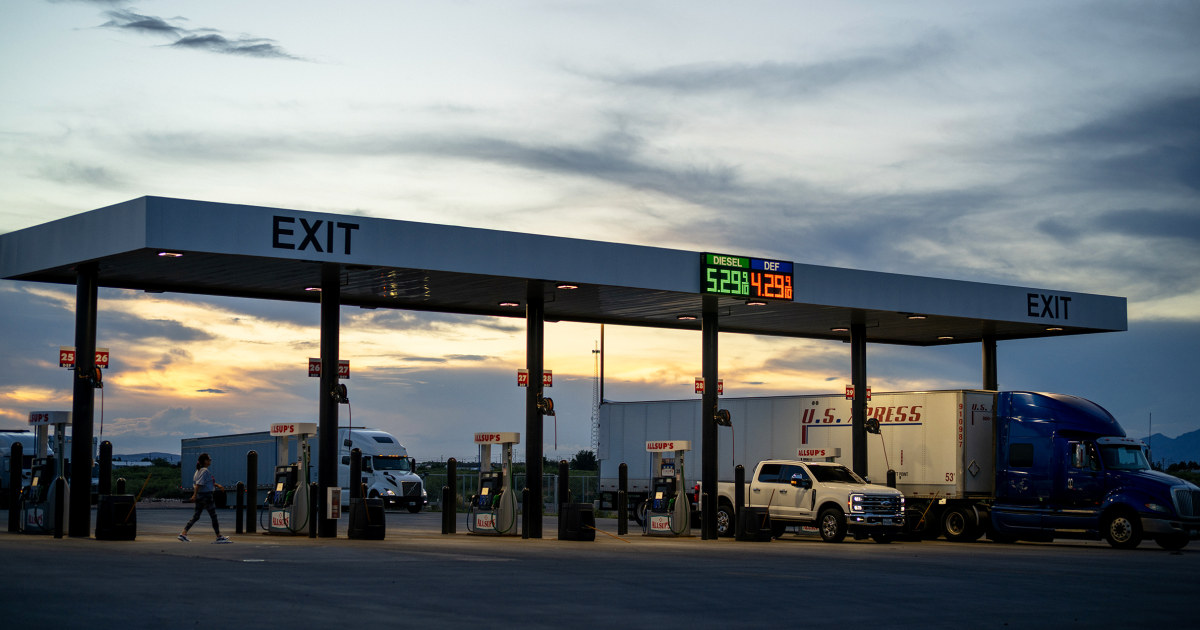
The current stalemate in the Strait of Hormuz raises serious concerns for the global economy. The restrictions on maritime traffic are not only limiting the oil and gas supplies but also affecting critical products such as fertilizers, demonstrating the far-reaching implications of this geopolitical crisis. The Brent Crude benchmark is already trading above $87 per barrel, marking a staggering increase of 45% since January. Similarly, the average U.S. gasoline price has surged beyond $4 per gallon, a notable rise from pre-conflict levels under $3.
As all eyes remain on the Strait of Hormuz, the interplay of military strategy and economic policy will continue to shape the trajectory of international energy markets. The situation underscores the complex relationship between national security, global trade, and economic stability in a rapidly changing geopolitical landscape. The future of energy supply routes hangs in the balance, as stakeholders must navigate the intricacies of conflict and cooperation in this vital region.