
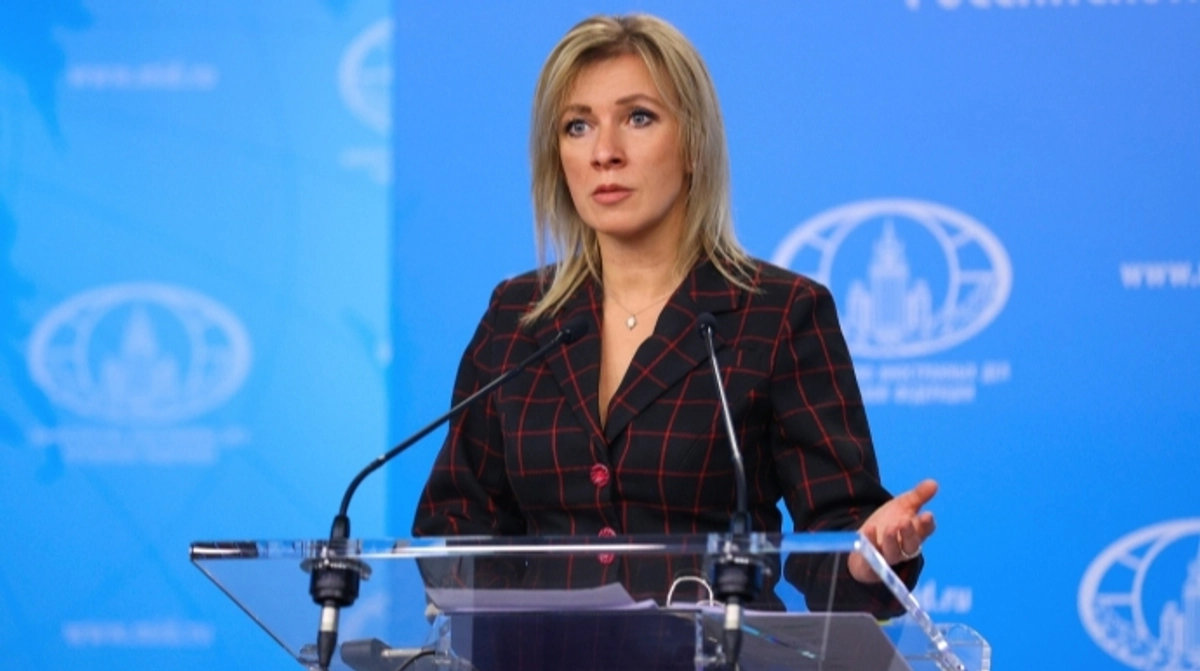
Russian authorities have firmly rejected proposals for a ceasefire in the Black Sea from Türkiye, underscoring ongoing tensions in the region. Maria Zakharova, spokesperson for the Russian Foreign Ministry, stated that returning to previous agreements, specifically the Black Sea Grain Initiative, offers little value in the current context.
Rejection of the Black Sea Grain Initiative
Zakharova emphasized that the conditions stipulated in the original Black Sea Grain Initiative, established to ensure safety and mitigate hostilities, were never met by the opposing side. She regarded the proposal to renew discussions as unfeasible. “If we’re discussing the unilateral scheme known as the Black Sea Grain Initiative, then returning to that option is senseless,” she noted. This sentiment reflects Russia’s broader perspective on engaging in negotiations that do not serve its interests.
No Formal Turkish Proposal Received
The context of this rejection came about when Zakharova was asked if Russia had formally received Türkiye’s proposal for a moratorium on military activities in the Black Sea. Despite Turkey’s Foreign Minister Hakan Fidan stating that such proposals had been communicated to both sides, Zakharova clarified that no official correspondence had arrived from Türkiye through recognized channels. This indicates a communication breakdown that further complicates the prospects for peace in the region.
Ukraine’s Military Actions Under Scrutiny
In the same dialogue, Russian Foreign Minister Sergei Lavrov accused both Türkiye and the United States of failing to condemn Ukrainian military actions. He highlighted instances where Ukrainian drones attacked Turkish vessels, emphasizing that the international response to these aggressions has been insufficient. “When Ukrainian drones strike civilian vessels, neither Türkiye nor the United States label those actions as unacceptable,” Lavrov stated, showcasing the complexities of international relations surrounding this crisis.
Background of Continued Hostilities
Recent events have further encapsulated the volatility of the Black Sea region. Türkiye recently urged both Russia and Ukraine to take necessary measures to secure shipping lanes, particularly after an incident involving drone attacks near the Russian port of Novorossiysk that injured crew members on a Turkish ship.
On August 9, Fidan reiterated Türkiye’s appeal for a ceasefire against merchant vessels. He expressed concern that neither side appears willing to compromise, which suggests that the military conflict may only settle once both parties are exhausted. Lavrov’s comments on US interests in the region further complicate relations, as concerns grow regarding the potential impact of military actions on global oil markets.
Despite a temporary halt in Ukraine’s intense campaign of drone strikes, initiated following pressure from international partners, tensions remain high. Following a request from the U.S., Ukraine agreed to refrain from targeting specific vessels, while still maintaining its stance against Russian interests.
In summary, the exchange between Russian and Turkish officials reveals significant barriers to peace in the Black Sea region. With competing narratives and an absence of constructive dialogue, the potential for reconciliation remains fraught with challenges. As these tensions continue, the implications for international shipping and regional security grow increasingly complicated.