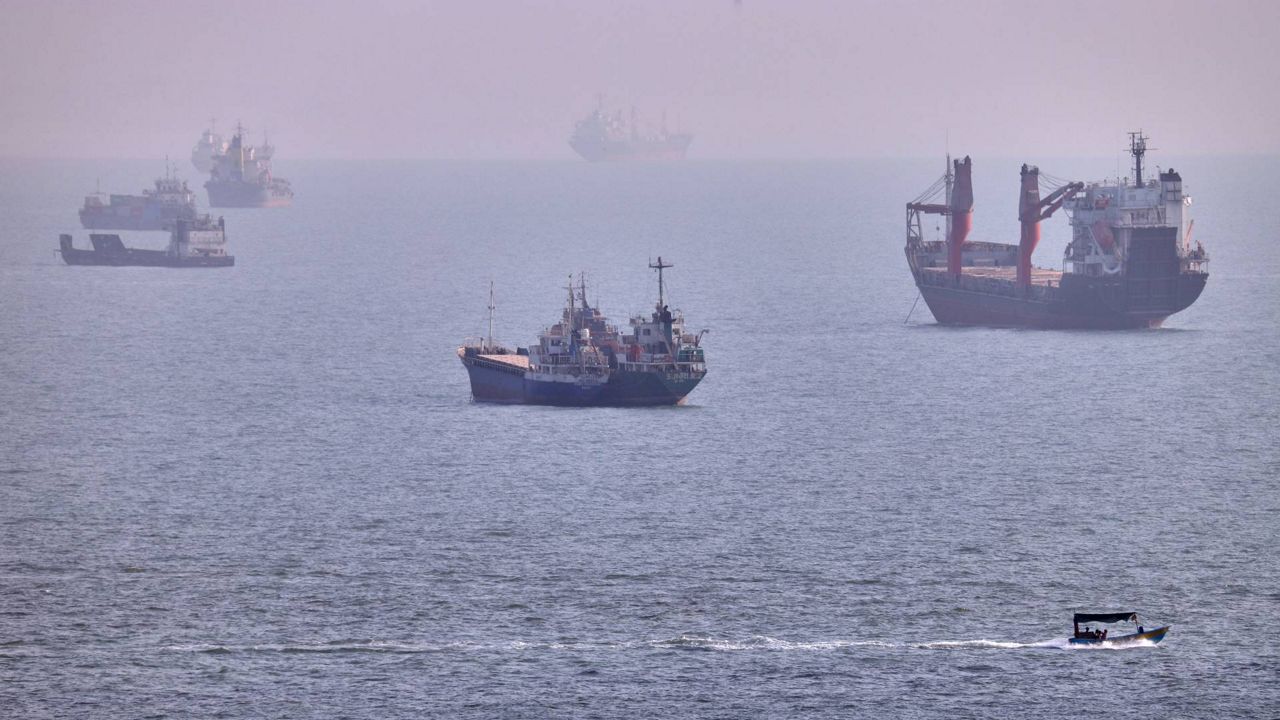
The geopolitical tensions surrounding the Strait of Hormuz have escalated, with the United Arab Emirates (UAE) accusing Iran of launching drone attacks on two oil tankers belonging to a state-operated oil company. These incidents highlight the significant risks faced by vessels navigating through this vital maritime corridor, essential for global energy transport.
Details of the Drone Attacks
The incidents took place while the two tankers, operated by Abu Dhabi’s ADNOC, were traversing the Strait of Hormuz. According to ADNOC, the attacks occurred on Thursday and, thankfully, resulted in no injuries. The company reported that it managed to bring the situation under control amidst rising concerns over maritime safety in this crucial region. The British military’s United Kingdom Maritime Trade Operations Center confirmed that the vessels experienced minor damage due to the drone strikes, although they did not specify that these were the ADNOC ships involved.
UAE’s Strong Condemnation of Iran
In its official statement, the UAE’s Foreign Ministry condemned the drone attacks, characterizing them as a “flagrant violation” of international principles that uphold freedom of navigation. The ministry stated that such actions constitute acts of piracy by Iran’s Revolutionary Guard Corps and pose a direct threat to the stability not only of the immediate region but also of global energy security. The UAE’s strong rhetoric comes as Iran continues to assert its influence over this strategic waterway, which connects the Persian Gulf to open seas, further amplifying concerns about maritime safety and international commerce.
The Role of the Strait of Hormuz in Global Trade
The Strait of Hormuz serves as a critical conduit for oil and gas shipments, with approximately 20% of the world’s crude oil passing through its waters. Given its crucial role in global trade, any disruption—such as drone attacks—can have far-reaching consequences on energy prices and international relations. The increasing militarization of the area by various actors, including Iran, creates an environment rife with uncertainty, which could deter shipping activity and lead to economic repercussions felt far beyond the region.
Recent Tensions in Iraq
In a related development, a drone was intercepted over Irbil, located in Iraq’s semi-autonomous Kurdish region, an area known for hosting various hotels and consulates. The regional counterterrorism service confirmed that there were no injuries from this incident. Although the origin of the drone attack remains unclear, it is speculated that similar Iranian-backed militias may be involved. This latest event underscores the growing instability in Iraq, particularly amidst the ongoing complex dynamics involving the U.S., Iran, and various militant groups.
As tensions flare, the international community watches closely, evaluating the implications of these developments for regional and global security. The situation remains fluid, and the potential for further escalations could spell significant concerns for international maritime operations and economic stability.