
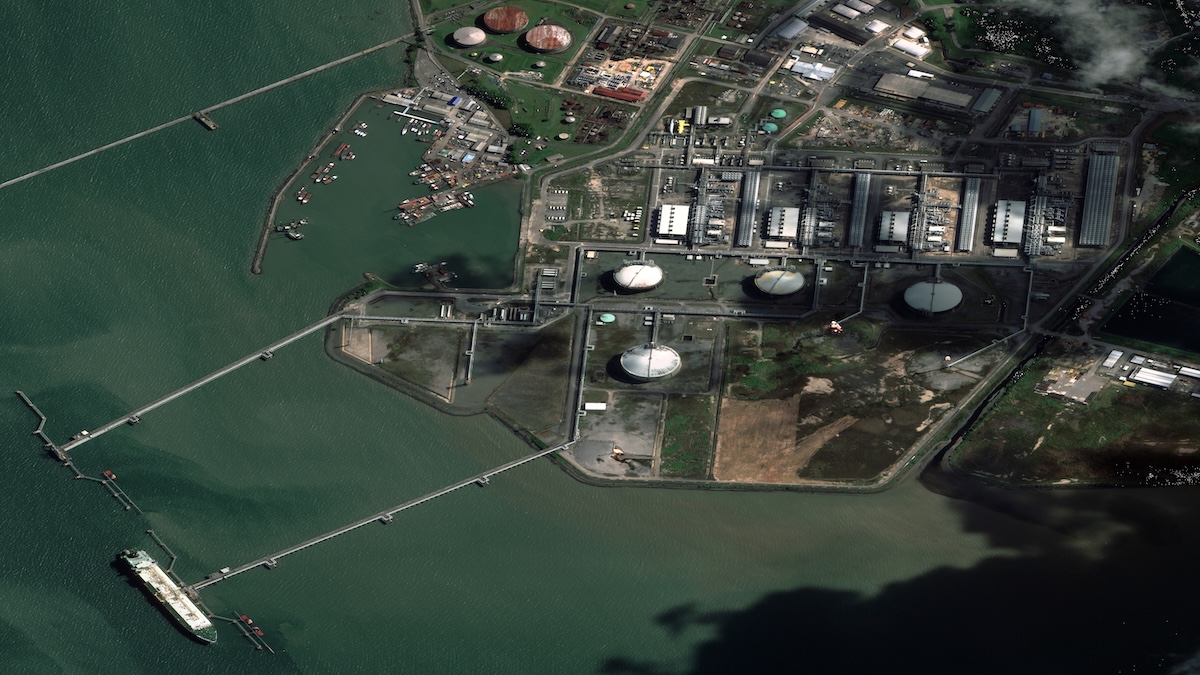
The Venezuelan gas agreement emerges as a crucial development against a backdrop of ongoing tensions between the United States and Iran, which have significantly disrupted global energy markets. With around 20% of liquefied natural gas (LNG) shipments typically passing through the conflict-ridden Strait of Hormuz, this deal could help alleviate some of the pressures on energy supplies worldwide.
Impacts of US-Iran Tensions on Energy Supplies
The geopolitical strife between the US and Iran has far-reaching implications for the energy sector, particularly with respect to LNG. The Strait of Hormuz is a vital shipping route, and any disturbances in this region can lead to significant volatility in supply chains. As conflicts and sanctions proliferate, stakeholders are finding it increasingly challenging to secure reliable energy resources. This predicament has compelled many countries, including the US, to explore alternative options for their energy needs, making agreements like the one with Venezuela all the more vital.
The Venezuelan Gas Agreement: A Strategic Move
Amid these tumultuous circumstances, Venezuela’s gas agreement offers a potential lifeline to both domestic and international markets. This deal aligns with efforts to stabilize energy provisions while managing the risks associated with the volatile geopolitical landscape. By tapping into Venezuela’s vast gas reserves, countries can diversify their energy sources, thereby lessening dependence on routes that are susceptible to disruption due to ongoing military conflicts or political disagreements.
Furthermore, the agreement could serve as a mechanism to rejuvenate Venezuela’s economy, which has faced significant challenges over the years. By exporting gas, the country can generate much-needed revenue, helping to stabilize its failing economy while simultaneously providing the world with an additional supply of energy.
Global Repercussions: Energy Security and Economic Stability
The ramifications of the Venezuelan gas agreement extend beyond mere energy supply; they touch upon broader themes of economic stability and energy security. Several nations are anxiously monitoring how this deal unfolds, as it could set a precedent for future agreements in regions beset by conflict or political instability. An increase in Venezuela’s gas exports may encourage other nations to seek out partnerships with previously isolated states that possess untapped energy resources.
Moreover, energy security is becoming increasingly critical in a world where climate change and renewable energy are at the forefront of discussions. The Venezuelan agreement symbolizes a step toward enhancing energy security while navigating an ever-shifting global landscape, where reliance on fossil fuels remains a significant consideration for energy policies.
Looking Ahead: Future Implications for the Energy Sector
As stakeholders move forward with the Venezuelan gas deal, much attention will need to be paid to the dynamics of international relations and market trends. The potential for increased Venezuelan gas supply comes at a crucial time, and ongoing developments in the US-Iran relationship will undoubtedly influence the viability and success of this agreement.
As energy demands continue to rise globally, countries are increasingly keen on establishing diverse and reliable supply chains that can withstand geopolitical tensions. The Venezuelan gas agreement represents not just an energy solution but also a demonstration of the complexities involved in modern energy markets. Stakeholders will need to remain vigilant and adaptive in the face of ongoing changes, ensuring that energy needs are met while navigating the intricate web of international relations.