
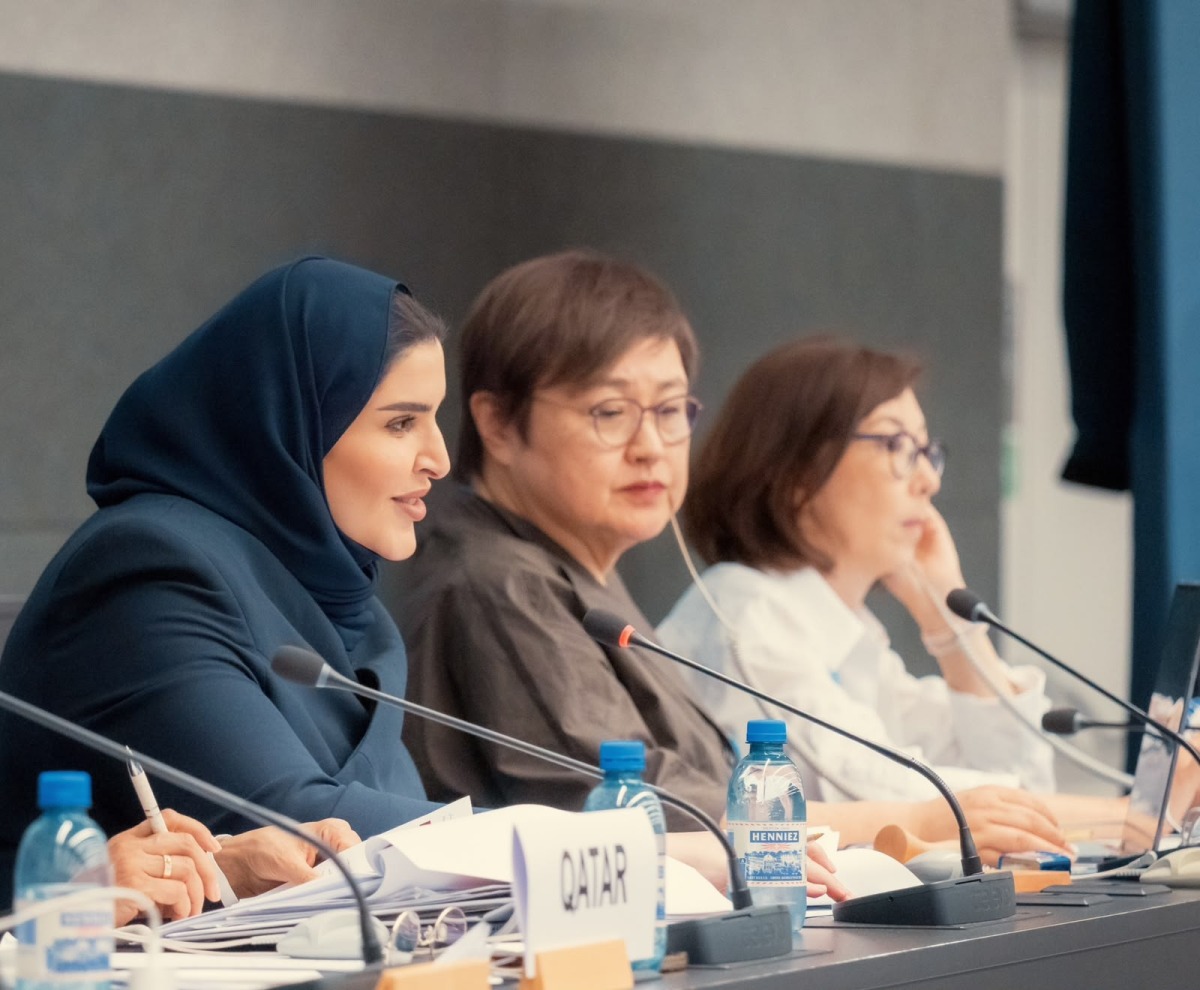
The State of Qatar recently engaged in a dialogue in Geneva regarding its report on the implementation of the Convention on the Rights of Persons with Disabilities. This important discussion took place on August 12 and 13 with the United Nations Committee on the Rights of Persons with Disabilities, covering the country’s second to fourth periodic reports.
Appreciation and Acknowledgment
HE Minister of State for International Cooperation, Maryam bint Ali bin Nasser Al Misnad, expressed her gratitude to the Chair and committee members for their constructive discussions. She acknowledged the valuable contributions made by representatives from national entities, non-governmental organizations, and various UN technical bodies present in Geneva. Their collective efforts helped enrich the dialogue, emphasizing the importance of collaboration in addressing human rights issues.
Building Foundations for Progress
Minister Al Misnad highlighted the significance of dialogue and knowledge exchange as vital components for advancing human rights. She emphasized that such interactive discussions offer a unique opportunity to foster understanding and international cooperation. By sharing best practices and expertise, Qatar aims to uphold human dignity while striving for justice and sustainable development. The country intends to utilize the insights gained from this dialogue to refine its national legislation and programs concerning the rights of persons with disabilities.
Commitment to Human Rights
Qatar’s commitment to promoting, protecting, and realizing human rights remains a core priority for the state, viewed as essential to its comprehensive reform and development strategies. The Minister emphasized that collaboration with UN human rights mechanisms enhances the nation’s ability to protect and convey the principles of human rights, reinforcing their promotion not just domestically but also on an international scale.
Fostering Training and Awareness
The Minister also expressed Qatar’s desire to enhance cooperation with the United Nations Training and Documentation Center for Human Rights in South-West Asia and the Arab Region. The goal is to develop tailored training programs aimed at various national entities. These initiatives would raise awareness about the provisions of the Convention on the Rights of Persons with Disabilities, while building the necessary capacities for effective implementation. The Minister urged the Committee’s experts to consider diverse legal frameworks and national characteristics when formulating guidelines, promoting a wider understanding of the Convention’s provisions.
In conclusion, Qatar believes in the power of international cooperation to achieve significant advancements in the realm of human rights. The country looks forward to ongoing collaborations with the Committee, the international community, and non-governmental organizations. Together, they aim to tackle challenges to human rights, ensuring that no individual is left behind in the ongoing pursuit of justice and equality.