
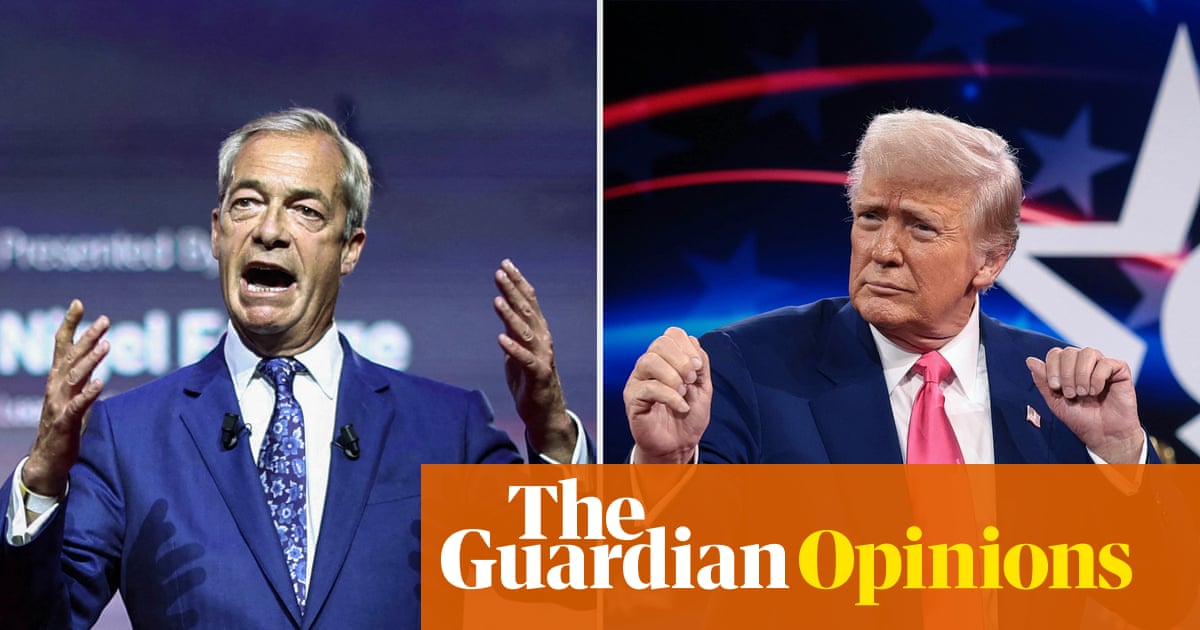
Nigel Farage’s recent byelection victory in Clacton has reignited discussions about his controversial political style and tactics. While one might expect celebratory enthusiasm from a returning MP, Farage’s absence during the announcement wasn’t surprising given his track record. His political maneuvers often prioritize performance over substance, aiming to rally supporters by tapping into grievances rather than addressing them meaningfully. This approach exemplifies the nationalist populist strategy—a method focused more on deflection and less on accountability.
The Allegations Behind the Scenes
Reform UK cited a “credible threat” to Farage’s safety as a reason for his absence, a claim that Essex police quickly refuted. The inconsistency raises eyebrows, especially considering Farage’s previous explanations for his lucrative financial backing, including a mysterious £5 million gift from a Thai crypto billionaire. This funding raised eyebrows and led to a parliamentary investigation, forcing Farage’s resignation—a calculated move to gain public sympathy. However, it seems that the assurances of financial security were perhaps overruled by a more strategic concern: maintaining his image against perceived ridicule, as indicated by his dismissal of opponents he deemed “nobodies.”
Political Influences and Similarities
Farage’s disdain for opponents parallels the attitudes of his political idol, Donald Trump, both men embody a populist ethos rooted in grievance and anti-establishment sentiment. Trump, having achieved significant notoriety less than five months after the Brexit referendum, exemplified this by positioning himself as a savior against a corrupt system. In his view, the public’s vote could rectify systemic issues, a promise made easier by his skillful manipulation of public sentiment. Nevertheless, both figures falter when it comes to governance, often ignoring the complex work required to implement policies that genuinely benefit their supporters.
Looking to the current reality, Trump’s leadership has not delivered the expected economic improvements despite initial promises. Inflation rates, which have continued to rise, showcase a disconnect between his election promises and the harsh realities faced by his voter base. His failure to actively address economic concerns suggests an oversight that populists like Farage often make.
The Unraveling of Promises
Amidst the fallout from Trump’s bold declarations, reality has unfolded in a way that belies his initial claims. Despite promising that military actions, particularly against Iran, would yield swift results, the outcomes have proven disastrous. The anticipated regime change and improved geopolitical dynamics have instead led to increased tensions and escalating threats. Trump’s impulsive decision-making and disregard for detailed planning expose a critical flaw in his capability to govern effectively.
In much the same way, Farage and other nationalist populists thrive on anger and discontent but lack the ability to propose impactful solutions. The common thread that unites these figures is their status as protest candidates, adept at inciting discord yet ineffective in enacting meaningful change. Their appeals largely rest on frustration rather than constructive policies.
In summary, both Nigel Farage and Donald Trump represent a larger trend among contemporary politicians who favor performance over responsibility. Their adeptness at rallying support through grievances starkly contrasts with their inability to address the fundamental issues that underpin public discontent. As they navigate the complex landscapes of modern politics, it is crucial for voters to discern between rhetoric and genuine governance.