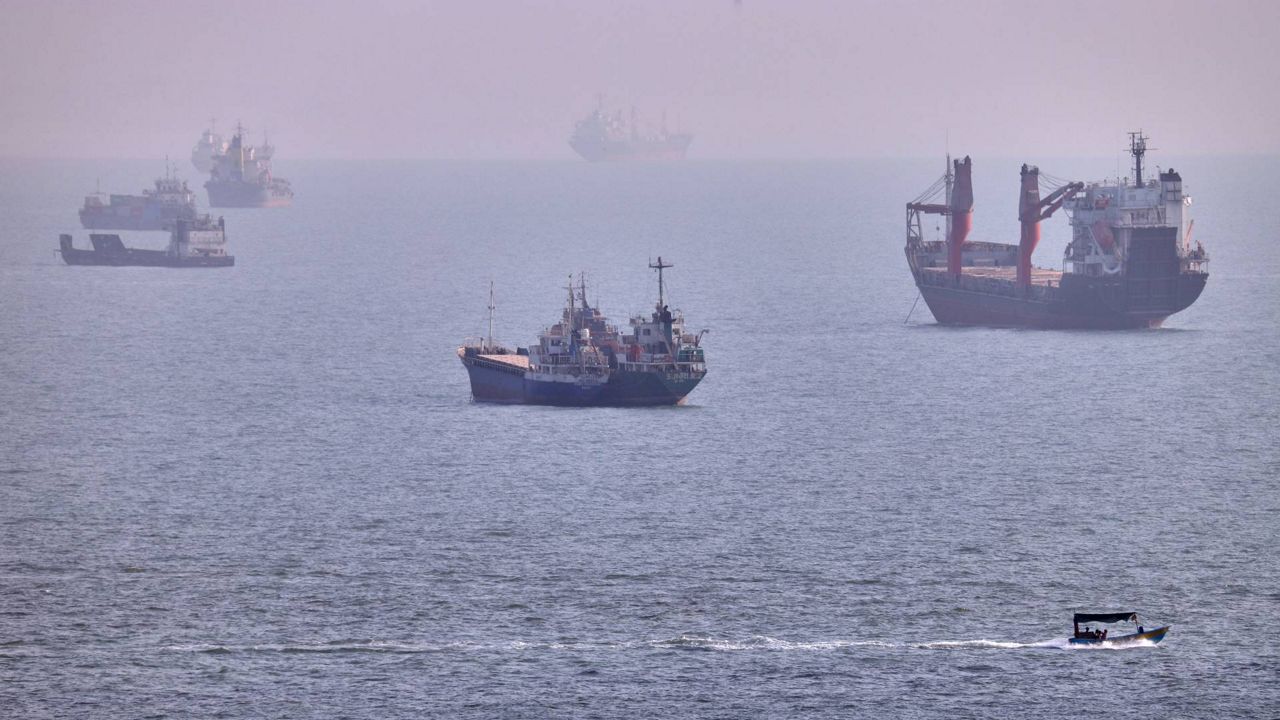
The recent escalation in tensions between the United Arab Emirates (UAE) and Iran highlights the precarious nature of maritime security in the Strait of Hormuz, a pivotal chokepoint for global oil trade. The UAE has openly accused Iran of launching drone attacks on two tankers owned by the Abu Dhabi National Oil Company (ADNOC). This incident has raised alarms about the safety of vessels navigating this critical waterway.
Recent Incidents of Maritime Aggression
The attacks occurred on Thursday evening, specifically targeting the ADNOC-operated tankers. Fortunately, there were no injuries reported following these assaults. ADNOC stated that they were able to regain control of the situation promptly. According to the United Kingdom Maritime Trade Operations Center, both vessels sustained minor damage during the drone strikes while traversing the Strait of Hormuz. Although the center did not confirm the identity of the affected vessels, the details strongly indicate that they were the ADNOC tankers.
The UAE’s Foreign Ministry condemned the drone strikes as blatant acts of piracy. Such attacks undermine the established principles of liberty at sea upheld by the United Nations. The Ministry emphasized that these actions by Iran’s Revolutionary Guard Corps are not only a direct threat to regional stability but also jeopardize global energy security. By targeting commercial shipping and leveraging the Strait of Hormuz for economic coercion, they raise concerns among nations dependent on this vital shipping lane.
The Broader Implications for Regional Security
The Strait of Hormuz is a critical maritime corridor through which a significant percentage of the world’s oil supply passes. The ongoing tensions pose a severe risk to economic stability and energy markets globally. Analysts suggest that Iran’s tactics are particularly troubling, as they signal an intent to exert greater influence over this vital waterway, impacting international trade routes and energy supplies.
As uncertainty looms over the security environment in this region, shipping companies face growing risks when transporting goods through the Strait of Hormuz. The international community is compelled to address the escalating threats while considering diplomatic avenues to de-escalate tensions and secure freedom of navigation in this strategically important area.
Drone Activity in Iraq: Growing Threats
In a related incident, a drone was intercepted over Irbil in Iraq’s semi-autonomous Kurdish region. This drone was shot down in a part of the city known for its concentration of hotels and consulates. The regional counterterrorism service confirmed that there were no casualties resulting from this interception. However, the origin of the drone remains uncertain, creating further unease in a region already fraught with geopolitical uncertainties.
The frequency of such drone attacks in Iraq, particularly against U.S. military sites and diplomatic missions, has escalated since the beginning of hostilities involving Iranian forces. Iranian-backed militias have been implicated in these assaults, suggesting a broader strategy of escalating military pressure against U.S. interests in the region.
In conclusion, the string of recent drone assaults in the Gulf and Iraq underscores a critical moment for maritime security. Nations heavily reliant on the Strait of Hormuz must remain vigilant as the potential for conflict increases, ushering in a new era of instability that could have far-reaching consequences for both regional and global dynamics.