
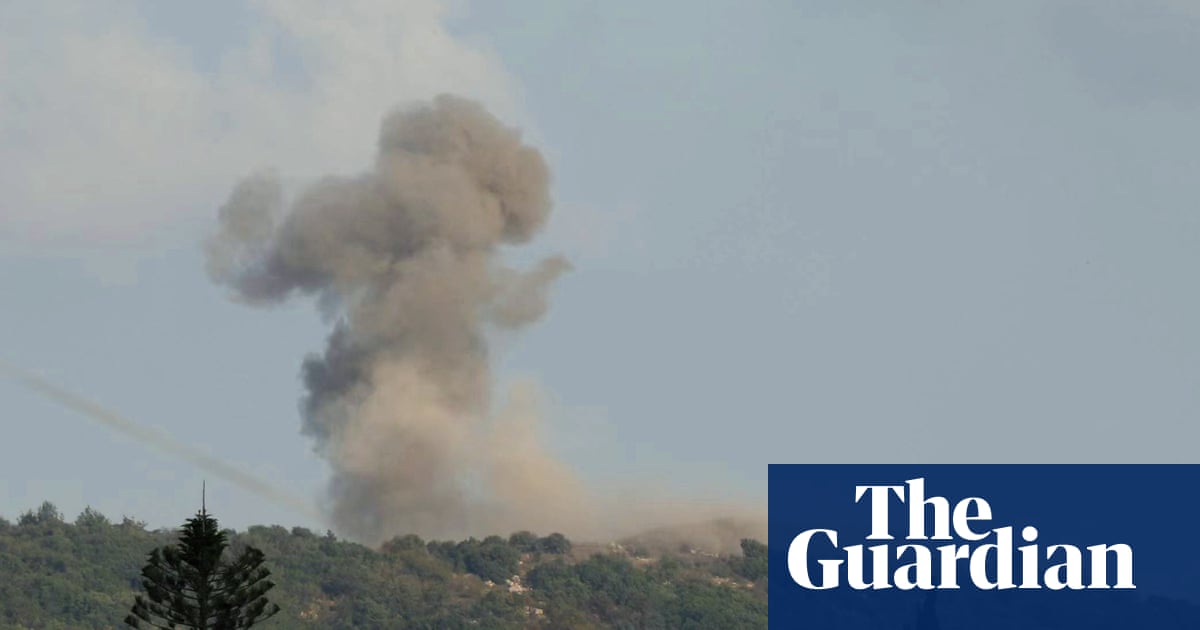
Recent developments in southern Lebanon have heightened tensions following an Israeli airstrike that resulted in the tragic deaths of seven individuals. This incident marks the most significant loss of life since a series of agreements in June eased hostilities between Israel and Hezbollah.
Details of the Airstrike
According to Lebanon’s national news agency, the airstrike occurred early on Saturday when Israeli warplanes targeted a home on the outskirts of Ansar, a village in southern Lebanon. The attack not only claimed seven lives but also injured three others, with emergency responders working diligently to remove debris and transport the injured to medical facilities. The strike resulted in substantial destruction, raising further concerns about civilian safety in the region.
Context of Increased Violence
Lebanon’s involvement in the ongoing Middle East conflict escalated when Hezbollah launched rockets into Israel in March, signaling support for Iran, its principal ally in the area. In retaliation, Israel initiated a series of airstrikes and a ground invasion, leading to significant casualties, with estimates reporting over 4,300 deaths in Lebanon alone. Though violence saw a decline following a U.S.-Iran memorandum in June and a subsequent framework deal between Lebanon and Israel, incidents of Israeli strikes continue to sporadically emerge.
Continuing Strikes and Their Impact
Despite the lull in hostilities, reports suggest that intermittent airstrikes by Israel have resumed. The most recent strike targeted not only residential areas but also strategic locations, such as the Ali al-Taher ridge overlooking the Nabatieh district. The Lebanese news agency also reported that Israeli forces have begun demolishing homes in border towns like Bint Jbeil. These actions contribute to a chilling atmosphere in southern Lebanon, where the population remains on high alert.
Accusations and Human Rights Concerns
In the wake of the airstrikes, Hezbollah’s leader, Naim Qassem, publicly criticized Lebanese authorities for pressuring the military, suggesting that such actions compromise the army’s integrity and safety. He questioned how the government could allow the army to be subjected to bombardment without taking steps to protect its forces. Human Rights Watch is calling for the continuation of an international peacekeeping force in Lebanon, emphasizing that these peacekeepers play a vital role in preventing civilian attacks and human rights violations.
The ongoing violence and complex geopolitical dynamics in the region highlight the fragile situation in Lebanon. While peace agreements have offered a temporary respite, the realities on the ground indicate that significant challenges remain. The future stability of Lebanon will depend largely on the management of these unresolved conflicts, the protection of its civilian population, and the commitments of both regional powers and international organizations.