
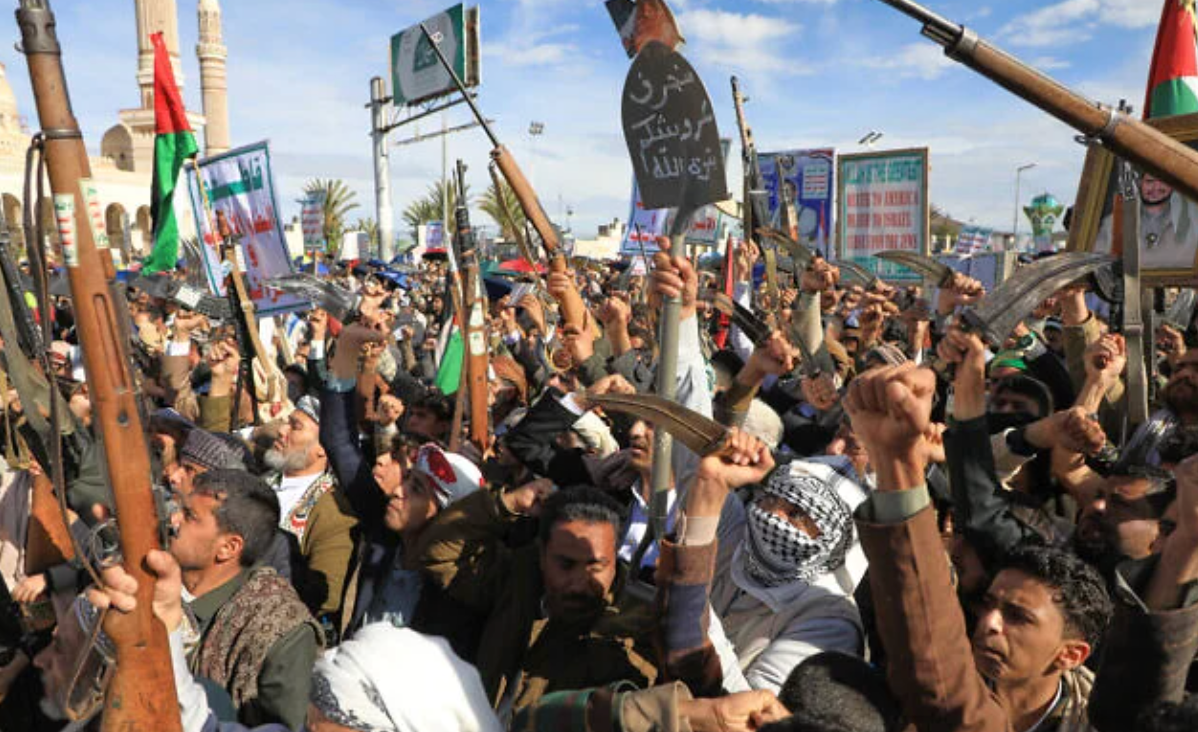
Yemen’s Houthis, who are backed by Iran, announced the launch of two drones aimed at an Aramco refinery located in Saudi Arabia’s Jizan region. This incident highlights the increasing tensions between the militant group and the Saudi government.
Retaliation Claims by the Houthis
The Houthis have characterized their attack as a response to what they claim are Saudi violations of Yemeni airspace, specifically over the regions of Saada and Hajjah. This assertion was reported by the Houthi-affiliated news agency, Saba. According to a military source quoted by the agency, the group has threatened further actions against any perceived incursions into Yemeni sovereignty. Saudi Arabia has yet to respond officially to these claims.
Recent Attacks and Increasing Aggression
This latest drone strike follows another aggressive action launched by the Houthis against an oil facility on Saudi Arabia’s Red Sea coast, which occurred just days prior. The group framed this incident as retribution for Saudi drone operations over northwestern Yemen. The timing of these attacks indicates a strategy by the Houthis to respond aggressively to what they perceive as threats from Saudi Arabia.
Growing Tensions and Naval Blockades
Tensions between the two sides have escalated significantly since the Houthis declared a naval blockade of Saudi Arabia in the Red Sea on July 20. They accuse Riyadh of imposing a siege on Yemen, a claim that Saudi Arabia staunchly denies. Following the blockade declaration, a Saudi-led coalition conducted airstrikes targeting Houthi positions in the port city of Hodeidah, which the coalition asserts were being exploited to threaten commercial shipping in the region.
Wider Implications for Regional Stability
The ongoing hostilities not only affect Saudi Arabia and Yemen but also have broader implications for stability in the Middle East. Iran’s involvement and its ongoing blockade of the Strait of Hormuz add another layer of complexity to the situation, as this strait is crucial for global oil transportation. The developments hint at a potential escalation in the conflict, especially as the U.S. and Israel continue to focus on their opposition to Iran.
As these dynamics unfold, they underscore the delicate nature of peace in the region and the risks that come with escalating military actions. The situation demands careful monitoring, as the potential for further retaliation from all involved parties remains high.