
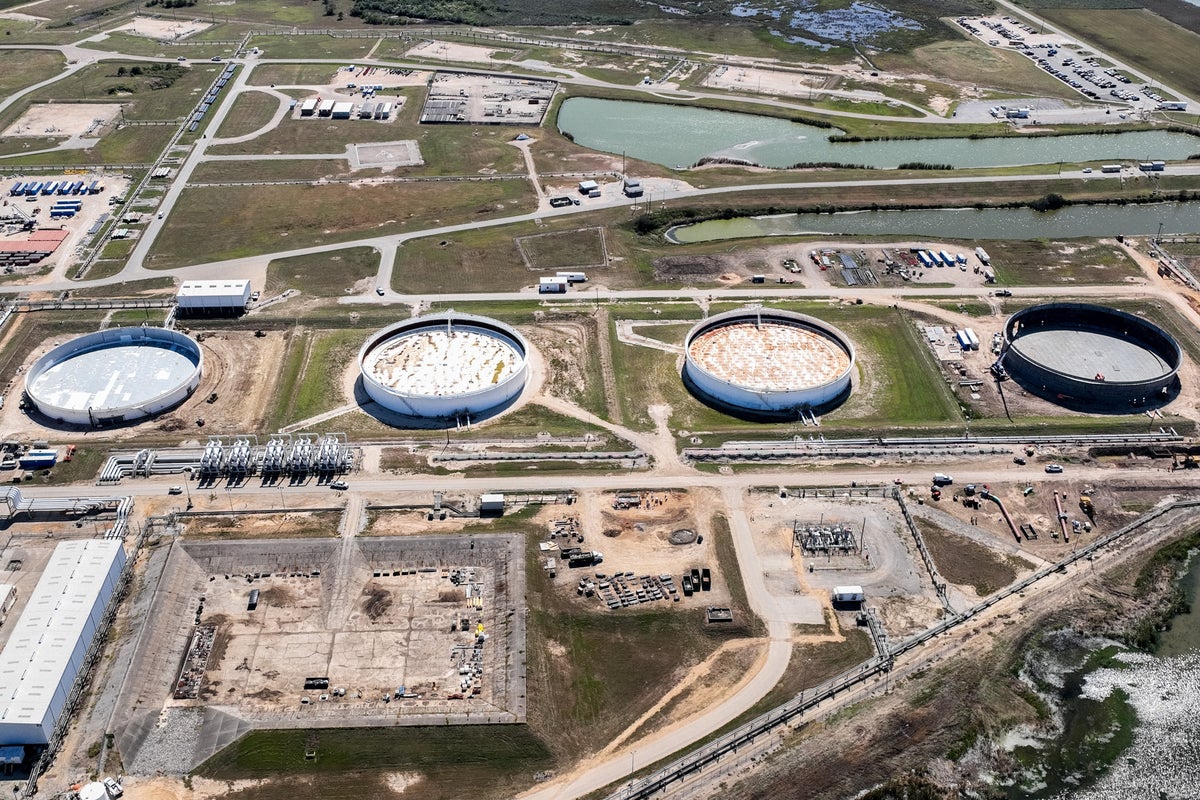
The United States’ Strategic Petroleum Reserve (SPR) is facing significant challenges, as it has reached its lowest capacity in 40 years. Experts are raising alarms that ongoing withdrawals, especially in response to geopolitical tensions such as the conflict with Iran, could potentially compromise the structural integrity of the underground salt caverns designed to hold the oil. As gas prices soar, the implications of these withdrawals are becoming increasingly urgent.
Current Status of the Strategic Petroleum Reserve
Recent reports indicate that the SPR has plummeted below 300 million barrels for the first time since the early 1980s, with current releases projected to bring levels down to around 243 million barrels. This is concerning not just from a supply standpoint but also due to the engineering limitations of the reserve itself. The storage system, primarily located in Texas and Louisiana, consists of salt caverns thousands of feet underground, where oil is extracted using a method that involves pumping water into the caverns. This technique, while effective, raises serious concerns about the long-term stability of these caverns.
Risks and Concerns Regarding Structural Integrity
According to Siddharth Misra, a petroleum engineering professor at Texas A&M University, the process of repeatedly drawing down oil and replacing it with water can weaken the salt structures significantly. Misra explained that each extraction can lead to less stable cavern roofs and thinner salt pillars that separate adjacent caverns, which increases the risk of cave-ins. Experts suggest that maintaining at least 250 to 300 million barrels of oil is crucial, as levels falling below this range could exacerbate risks associated with cavern integrity, making reliable extraction increasingly difficult.
Additionally, market analysts from Rapidan Energy assert that the reserve’s functional minimum is around 170 million barrels, below which the risk to cavern integrity and pumping infrastructure might warrant halting further withdrawals. These observations are amplified by the fact that the SPR was originally designed to handle a limited number of full drawdowns but has been subjected to numerous cycles over the last four decades.
Government Response and Political Reactions
Despite the concerns presented by multiple experts, the Department of Energy has dismissed claims that the caverns are at risk of collapsing. Energy Department spokesman Ben Dietderich insisted that the caverns remain structurally sound, arguing that the reserve is being responsibly managed. However, bipartisan concerns have been raised over the risks associated with the current low levels of oil in the SPR. In 2022, members of both major parties highlighted these issues when the Biden administration released significant quantities of oil in response to Russia’s Ukraine invasion.
In its reports, the Government Accountability Office has also noted the long-standing physical strains on the SPR. Their findings reveal that the repeated drawdowns can alter the shapes of the caverns themselves, ultimately reducing their long-term viability. While most caverns have remained in good condition, the cumulative effects of these operations cannot be ignored.
As America continues to navigate fluctuating energy prices and geopolitical uncertainties, the current state and future actions surrounding the Strategic Petroleum Reserve will be pivotal in addressing the nation’s energy security. Experts stress that with the ongoing demand and diminishing inventory, careful management is needed to ensure that the SPR can fulfill its intended purpose without compromising safety or structural integrity.