
The ongoing tensions in the Middle East continue to escalate, with alarming incidents involving Iran, Qatar, and Israel making headlines. Recently, the United Arab Emirates (UAE) accused Iran of targeting a tanker in the critical maritime passage of the Strait of Hormuz, fueling fears of further confrontations in an already volatile region.
Iran’s Allegations Against Qatar
Iran has claimed that Qatar is detaining three of its pilots who disappeared in March—a statement that Qatar has firmly denied. According to the Missing Persons Committee of Iran’s Armed Forces, these pilots were captured when their aircraft were shot down. This incident marks the first instance in the ongoing conflict where Iran has indicated that another regional player is holding its military personnel. Notably, the pilots were allegedly downed during an Iranian offensive against nations hosting U.S. military bases.
Tehran’s officials stated that the pilots have not been permitted any communication with their families or with Iranian representatives, further complicating what is already a tense standoff. In response, Iran has reached out to the International Committee of the Red Cross for assistance, claiming that one pilot was killed during an operation targeting a military base in Qatar. Qatar’s foreign ministry spokesperson refuted these claims, suggesting that the pilots had indeed been shot down and that Qatari teams had recovered one of their remains. An invitation for Iranian officials to observe the recovery efforts reportedly went unanswered.
Attacks in the Strait of Hormuz
In a parallel development, the UAE reported a recent attack on a tanker owned by ADNOC, the national oil company, while it was navigating the Strait of Hormuz. Remarkably, there were no reported injuries during this Friday evening incident. This marked the third attack on an ADNOC-operated vessel in the past week alone. In light of these provocations, the UAE has called upon Iran to halt its “unprovoked” assaults in these crucial waters that facilitate approximately a fifth of the global oil and natural gas trade.
The latest attacks and responses underscore the flammable nature of maritime security in the Strait of Hormuz, especially following the initiation of armed conflict that began with U.S. and Israeli strikes on February 28. Amid stalled negotiations between the U.S. and Iran, discussions are ongoing between Iran and Oman focusing on the management of the strait, which has gained particular importance given its status as a vital international shipping route.
Israeli Airstrikes Cause Casualties in Lebanon
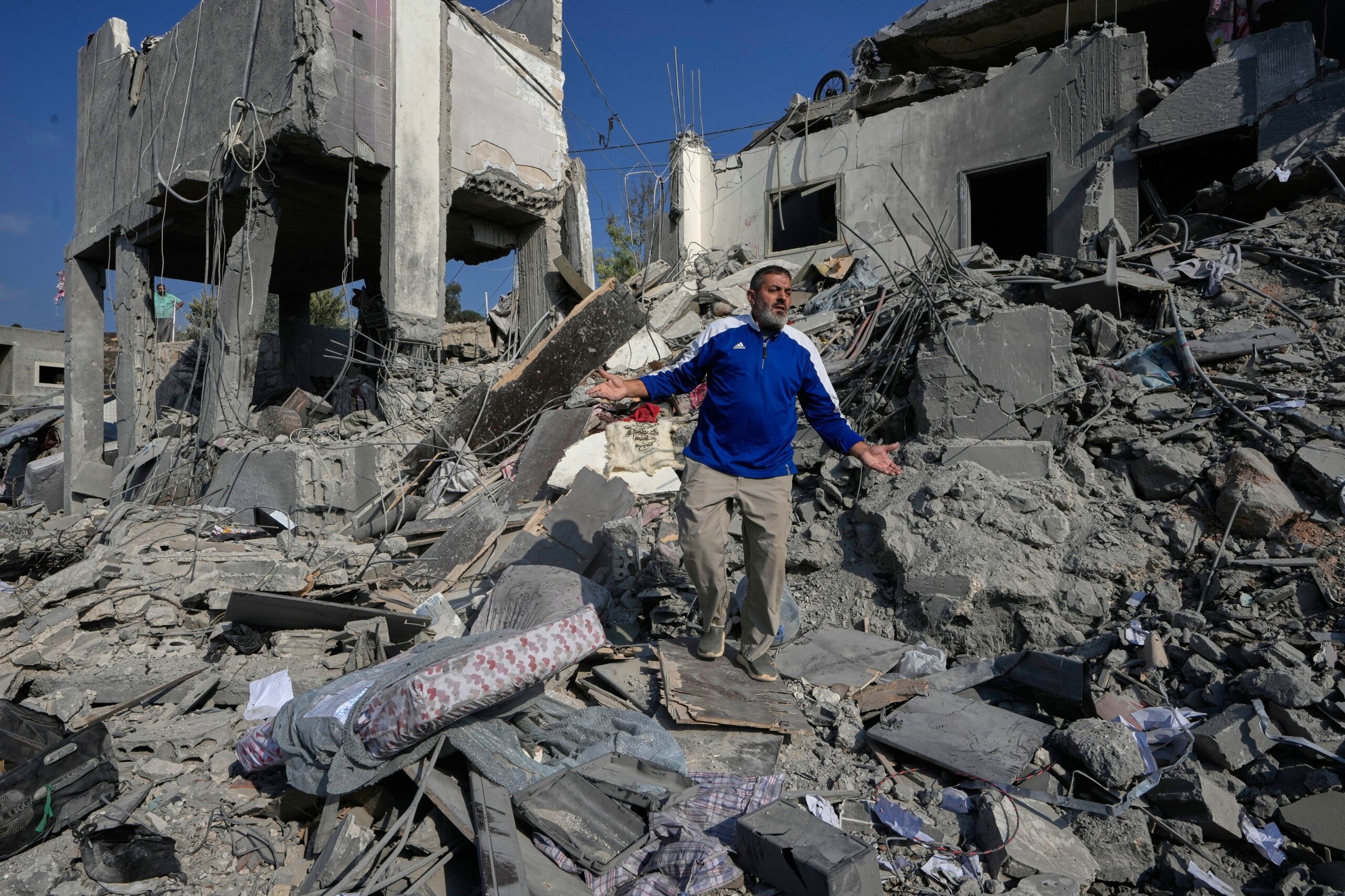
Tensions have not been limited to the Gulf region; on the same day, Israeli airstrikes in southern Lebanon resulted in the deaths of at least 11 people, making this one of the deadliest days since a fragile ceasefire was established between Israel and Hezbollah on June 20. The airstrikes reportedly targeted locations in the village of Ansar, killing seven, including three children, while additional strikes were carried out in Deir al-Zahrani, claiming four more lives and injuring numerous others.
Israel’s military confirmed that its operations were a direct response to activities from Hezbollah militants in the area, including assault actions against Israeli soldiers. Israeli officials claimed that a high-ranking Hezbollah battalion commander was among those killed, suggesting he used family members as a human shield during the strike—a claim that has sparked outrage and further complicates the narrative of the conflict.
Houthis Launch Attack in Yemen
Lastly, the Yemen conflict remains unresolved as the Iran-aligned Houthi movement recently launched a missile strike on the Red Sea port of Mokha, which is held by the internationally recognized Yemeni government. The attack resulted in at least three fatalities, including two marines, and brought port operations to a halt. This escalation illustrates the ongoing threats not only to stability in Yemen but also to broader regional tranquility, as the conflict potentially inches closer to a return to civil war.
Analysts have suggested that these developments reflect Iran’s intensified strategy to exert pressure on both the United States and its allies in the region. As this complex, multi-faceted conflict unfolds, the international community remains watchful for further implications of these hostilities.