
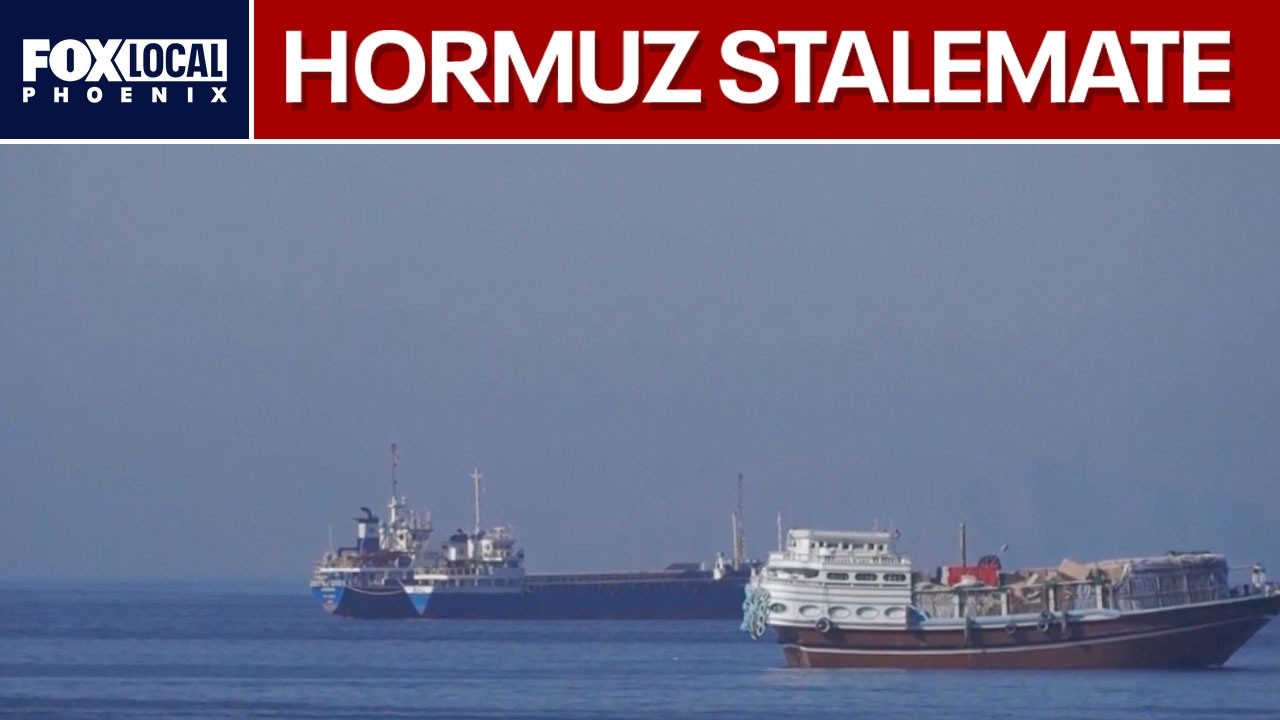
In a time of escalating tensions in the Middle East, President Trump asserts that the United States maintains control over the crucial Strait of Hormuz. This strategic waterway has become a focal point for geopolitical disputes, particularly with Iran disputing these claims. Understanding the implications of this situation is essential for anyone following global politics.
The Significance of the Strait of Hormuz
The Strait of Hormuz is a vital shipping lane, crucial for the transport of oil from the Persian Gulf to global markets. Approximately 20% of the world’s oil supply passes through this narrow passage, making it a critical chokepoint in international trade. Given its importance, any disruption in this area can have far-reaching effects on global oil prices and economic stability.
As tensions rise, Iran has threatened to block the Strait if it feels its interests are threatened. This has raised alarms about the potential for military confrontations in the region. When claims of control are made, such as those from President Trump, they can heighten disputes, evoking both diplomatic responses and military posturing.
Reactions from Iran and Other Nations
Iran’s leadership has quickly dismissed the United States’ assertions, indicating that such claims are unfounded. This rejection comes amidst a backdrop of increasing hostilities, including accusations of ship seizures and threats to maritime freedom. The international community is closely monitoring these developments, as Iran’s defiance could lead to broader conflicts.
Countries reliant on oil from the Gulf are particularly concerned about the implications of these tensions. They are advocating for diplomatic resolutions to avoid any disruptions in oil supply, which could lead to economic consequences globally. The fear of military confrontations affects not only regional stability but also global markets, adding another layer of complexity to the situation.
Geopolitical Implications
The U.S. control over the Strait of Hormuz, if indeed legitimate, would represent a significant shift in the balance of power within the region. However, the reality may be far more complicated. Should Iran choose to engage militarily to assert its claim, it could lead to a standoff between U.S. forces and Iranian military units. Such a scenario could escalate quickly, drawing in other nations and potentially leading to direct military engagement.
With both nations maintaining military presence in and around the Strait, the potential for miscalculations is high. History has shown that naval confrontations can spiral out of control, leading to unexpected consequences that could destabilize the region even further. The stakes are high, and the world is watching closely, weighing the risks associated with either side taking decisive action.
The Road Ahead
As the situation unfolds, diplomatic channels will be crucial in addressing the tensions surrounding the Strait of Hormuz. International coalitions may need to step in to facilitate dialogue between the U.S. and Iran, ensuring that the flow of oil and, by extension, global economic stability, is not jeopardized.
With the potential for conflict looming large, it is vital for all stakeholders to approach this issue with caution. The significance of collaboration and communication cannot be overstated, as both short-term and long-term repercussions loom over East-West relations, impacting not just those directly involved but the entire world economy. As events continue to evolve, vigilance and diplomatic efforts will be key to preventing a crisis that could have global implications.