
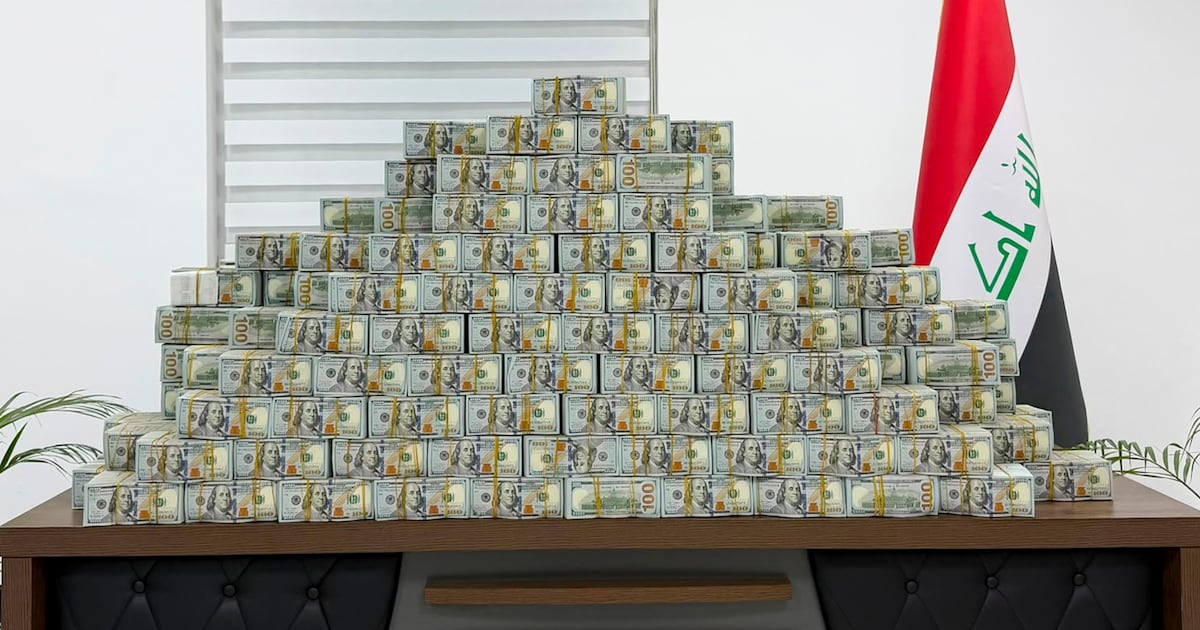
Iraq is currently experiencing a significant crackdown on corruption involving high-ranking officials. Recent developments have led to the seizure of substantial amounts of cash and valuable assets from a prominent figure within the oil ministry, signaling a determined effort to root out corruption at the highest levels.
Corruption Investigation Targets High-Level Officials
On Sunday, Iraq’s judicial authorities reported the confiscation of $20.34 million in cash, 60 kilograms of gold, and seven vehicles tied to Adnan Al Jumaili, the deputy oil minister for refining affairs. His arrest in May marked a critical juncture in an expansive investigation into allegations of mismanagement and embezzlement within the ministry’s refinery projects. This sweeping initiative has not only led to the apprehension of Al Jumaili but also of multiple senior government officials and legislators, alongside the recovery of millions in assets.
The Supreme Judiciary Council revealed that the Central Anti-Corruption Criminal Court was instrumental in these recent seizures, acting in coordination with authorities in the Kurdistan region of Iraq. While specific details regarding the investigation remain limited, officials emphasized their commitment to uncovering the full extent of corruption within the oil sector.
Investigations and Recoveries Being Conducted
According to the presiding judge, ongoing investigative efforts have successfully captured financial proceeds derived from dubious activities linked to various refinery projects. The evidence collected thus far has led to the recovery of considerable financial assets and valuable goods. The authorities are pursuing others involved, underscoring their determination to address mismanagement in Iraq’s lucrative oil sector.
Allegations suggest that contracts and funding intended for the enhancement and operation of refineries have been rerouted through a web of companies and intermediaries. This intricate network of corruption has complicated efforts to trace the illicit flow of money, highlighting the challenge investigators face as they work to reclaim stolen assets. The successful recoveries across both Baghdad and Erbil suggest that the probe is expanding across federal and regional jurisdictions.
Broader Context of Corruption and Government Action
Prime Minister Ali Al Zaidi’s recent anti-corruption drive is aimed at rebuilding public trust in governmental institutions and finances. Since taking office in May, he has implemented a series of high-profile arrests and asset seizes, targeting influential officials in the Oil, Electricity, and other key ministries. This campaign has been framed by the government as an assertion of state authority, particularly in sectors that have long been influenced by political factions and entrenched economic networks.
The judiciary is collaborating closely with Iraq’s Integrity Commission and financial intelligence units to combat corruption effectively. The ultimate goal is not just prosecution but the recovery of hijacked funds to replenish the state budget, an urgent need given the pressures to support essential services and development initiatives.
The Critical Role of Iraq’s Oil Sector
Iraq’s oil sector plays a pivotal role in the nation’s economy, providing the majority of its revenues. However, persistent issues such as corruption, smuggling, and inflated contracts have plagued the industry, leading to calls for significant reform. Despite possessing vast reserves of crude oil, Iraq continues to depend on imported fuel, complicating the political landscape surrounding refinery projects.
Achieving convictions and recovering misappropriated funds is vital for maintaining momentum in the fight against corruption. As parliamentary pressure mounts for reforms and deadlines for militia disarmament approach, the ongoing anti-corruption efforts are increasingly portrayed as part of a broader strategy to reassert state control over the nation’s resources and institutions. This urgent endeavor is essential for securing Iraq’s economic future and restoring confidence among its citizens.